Leave Your Message
Crushing Equipment sits at the beginning of many quarrying, mining, and recycling operations. It changes oversized rock, concrete, or ore into manageable particles. The process may look simple, but every machine responds differently to material hardness, moisture, shape, and feed size. A jaw crusher compresses rock between two plates. A cone crusher applies repeated compression inside a rotating chamber. Impact crushers use fast-moving blow bars and sudden collision.
Tim Napier-Munn, a respected mineral-processing specialist, states, “The objective of comminution is to liberate the valuable minerals from the gangue.” This principle explains why crushing is not merely about making smaller stones. Operators must create a controlled product size while limiting energy use, dust, noise, and unwanted fines. A quarry manager may check the feed with a loader bucket, adjust the closed-side setting, and inspect worn liners before production continues. Small changes can affect the entire circuit.
Still, no crushing plant performs perfectly. Wet clay can block a vibrating screen. Excessive feed can overload a crusher. A hard, uneven rock stream may produce unexpected wear. These practical weaknesses deserve attention, not polished promises. Understanding how Crushing Equipment works helps readers connect machine design with real operating conditions. It also supports safer decisions, more reliable maintenance, and better material quality. The following guide examines crushing stages, machine types, operating principles, and the factors that influence performance.
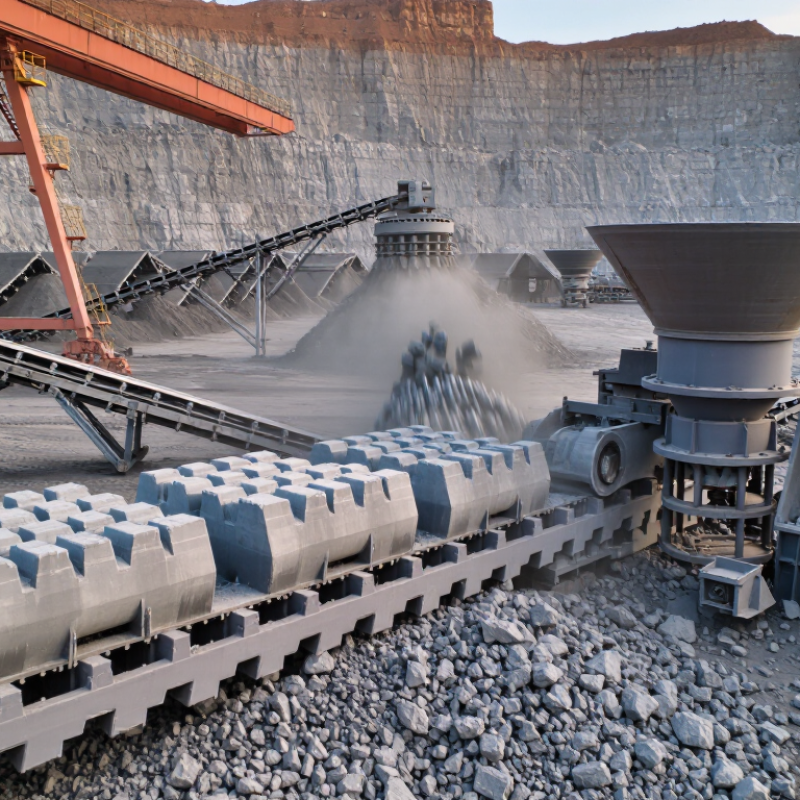
Crushing equipment is machinery designed to reduce large rocks, concrete, or mineral feed into smaller, usable pieces. Its main purpose is size reduction, not simple breaking. A crusher applies compressive, impact, or shearing force to the material. The selected force depends on hardness, moisture, shape, and the required product size.
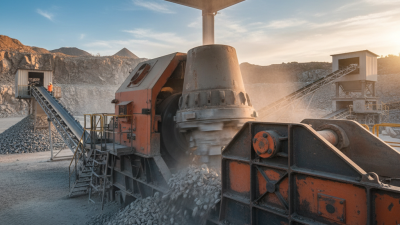
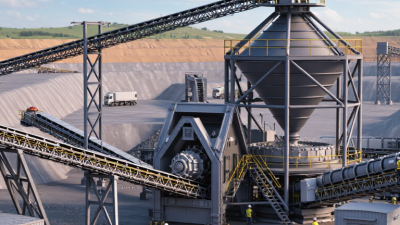
In a typical operation, a primary crusher receives material from a loader or conveyor. Jaw crushers compress material between two plates, while cone crushers apply pressure through a rotating crushing surface. Impact crushers strike the feed against fixed surfaces, producing a more cubical shape. Screens then separate the output by size. Oversized pieces may return for another crushing cycle.
Practical conditions often change the expected result. Wet clay can block openings, and worn parts can create uneven product sizes. Operators check vibration, discharge size, dust levels, and feed consistency during each shift. These checks protect workers and reduce unnecessary equipment stress. Small details matter.
Crushing equipment supports road construction, concrete production, recycling, and mineral processing. Proper selection begins with laboratory testing and a clear understanding of the final application. A machine that works well for hard stone may perform poorly with sticky recycled material. That mistake is easy to make. Safety guards, isolation procedures, and regular inspections remain essential because crushing zones contain powerful moving components.
| Equipment or Concept | Definition | Primary Working Principle | Typical Feed Material | Typical Product or Purpose |
|---|---|---|---|---|
| Crushing Equipment | Industrial machinery used to reduce large pieces of rock, ore, minerals, concrete, or other hard materials into smaller particles. | Applies mechanical forces such as compression, impact, or shear to fracture material. | Run-of-mine rock, blasted stone, mineral feed, demolition concrete, and recycled aggregates. | Creates a controlled particle size for screening, conveying, construction, mineral processing, or recycling. |
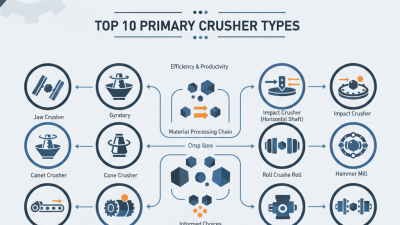
| Jaw Crusher | A primary crusher with a fixed jaw and a moving jaw that form a V-shaped crushing chamber. | Compression: the moving jaw presses material against the fixed jaw until it breaks. | Large, hard, and abrasive rock; quarry stone; and mined ore. | Primary reduction of large feed into a smaller, manageable size for secondary processing. |
| Gyratory Crusher | A high-capacity primary crusher with a conical crushing head inside a concave surface. | Continuous compression as the eccentric head gyrates and narrows the crushing gap. | Very large, hard rock and high-volume run-of-mine ore. | High-throughput primary crushing in large mining and quarrying operations. |
| Cone Crusher | A secondary or tertiary crusher that uses a rotating mantle inside a concave bowl liner. | Compression and interparticle crushing as the mantle moves eccentrically. | Pre-crushed hard rock, gravel, and abrasive ores. | Produces relatively cubical aggregate and a more controlled product size. |
| Impact Crusher | A crusher that breaks material by accelerating it against impact surfaces or allowing particles to collide at high speed. | Impact and sudden loading cause the feed to fracture along natural weaknesses. | Soft to medium-hard rock, limestone, recycled concrete, and asphalt. | Well-shaped manufactured sand and aggregates, as well as secondary reduction. |
| Roll Crusher | A crusher that uses one or two rotating cylinders to draw material into a controlled gap. | Compression, shear, and sometimes tensile forces between rotating rolls. | Coal, soft rock, salt, clay, and other relatively friable materials. | A relatively narrow product-size range with limited generation of fines. |
| Hammer Crusher | A crusher fitted with rapidly rotating hammers that strike and break feed material. | High-speed impact followed by repeated contact with breaker plates or grates. | Soft to medium-hard, less abrasive materials such as limestone, gypsum, and selected recycled materials. | Fine to medium-sized product in applications requiring high reduction ratios. |
| Primary Crushing | The first size-reduction stage after material is extracted or blasted. | Uses equipment designed to accept the largest feed size and produce a transportable intermediate product. | Large rocks, oversize fragments, and run-of-mine material. | Prepares feed for secondary crushing, screening, conveying, or stockpiling. |
| Secondary and Tertiary Crushing | Later crushing stages used to further reduce and shape material after primary crushing. | Uses smaller crushing gaps and controlled operating conditions to reach the required product specification. | Primary crusher product and screened intermediate material. | Produces final or near-final aggregate sizes, manufactured sand, or mineral-processing feed. |
| Key Performance Factors | Operating and material characteristics that determine crushing performance. | Capacity, feed size, closed-side setting, material hardness, moisture, abrasiveness, and reduction ratio influence results. | Material properties and the required final specification. | Helps select suitable equipment, control energy use, reduce wear, and maintain consistent product quality. |