Leave Your Message

How to Choose a Primary Crusher in 2026?

Choosing a Primary Crusher in 2026 is not a catalog exercise. It is a production decision shaped by rock, feed size, capacity, and site limits. A machine that performs well in a dry granite quarry may struggle with wet, clay-bound limestone. The right choice protects throughput, product quality, energy use, and worker safety. Small details matter. A 900-millimeter feed may already challenge a compact plant.

This guide examines jaw, gyratory, and impact options through practical selection criteria. We will consider compressive strength, abrasiveness, moisture, reduction ratio, and hourly tonnage. Operating teams should also check chamber access, liner life, tramp release, automation, spare parts, and service support. A crusher’s purchase price is only one budget line. Downtime, haulage delays, and premature wear can cost more than expected.

Reliable selection combines manufacturer data with site evidence. Review laboratory tests, production records, and a realistic feed survey before approving a model. Ask how the Primary Crusher will behave during a blocked chute, rainy shift, or uneven blasting. No recommendation is perfect. Early assumptions can be wrong, especially when samples miss seasonal moisture changes. The goal is a defensible choice that performs consistently, can be maintained safely, and allows future capacity growth.
How to Choose a Primary Crusher in 2026?

What a Primary Crusher Does in a Crushing Plant

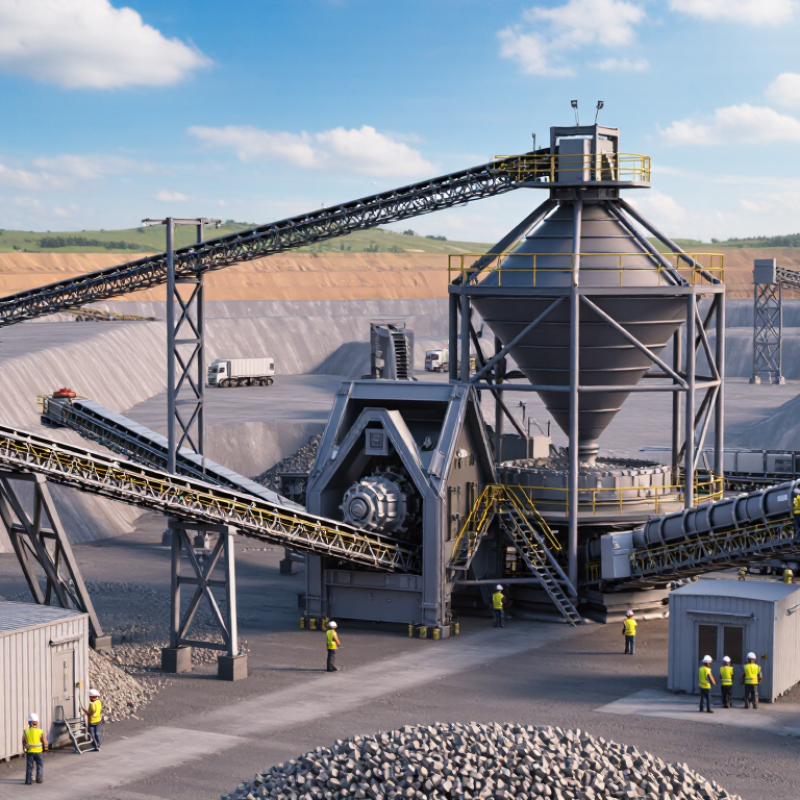
In a crushing plant, the primary crusher is the first serious size-reduction stage. It receives run-of-mine rock directly from excavation, often carrying dust, clay, and oversized blocks. Its job is not to make final product. It creates a controlled, smaller feed for secondary crushers, screens, conveyors, and stockpiles. A stable discharge matters because every downstream machine depends on it.

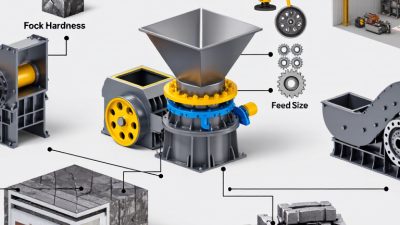
Choosing one in 2026 requires more than comparing maximum tonnes per hour. Start with the rock’s compressive strength, abrasiveness, moisture, and largest expected lump. A jaw crusher may suit intermittent quarry feeds and simpler layouts. A gyratory unit can support very high, continuous capacities. An impact design may help with softer, less abrasive material, but wear can rise sharply in hard rock. These are practical tendencies, not guarantees.

Look closely at the feed opening, CSS control, motor load, liner life, access, and tramp-release protection. Sensors can reveal blocked chutes, uneven feeding, or rising vibration before production stops. Still, automation cannot correct poor blasting or a badly designed bin. That part is easy to forget. Ask for verified test data, realistic maintenance hours, and lifecycle cost estimates. The cheapest purchase can become the most expensive decision when liners, downtime, and energy are ignored. Leave room for doubt: site conditions change, and a perfect spreadsheet rarely survives its first wet season.

How to Choose a Primary Crusher in 2026? – What a Primary Crusher Does in a Crushing Plant

Primary crusher option Typical feed condition Typical primary duty Main advantages Key limitations Important selection checks
Jaw crusher Run-of-mine rock, blasted stone, concrete, and recycled aggregates; suitable for hard, abrasive feed. Primary reduction in quarries, mines, demolition recycling, and mobile crushing plants. Simple mechanical design, good control of large feed, relatively easy maintenance, and effective operation at lower capacities. Produces a more elongated product than some compression crushers; capacity can be affected by sticky or clay-rich material. Maximum feed size, required closed-side setting, desired capacity, nip angle, liner wear, moisture, and clay content.
Gyratory crusher Very large, hard, abrasive run-of-mine ore from high-volume mining operations. Continuous primary crushing where high throughput and large feed acceptance are required. High capacity, continuous crushing action, good handling of large feed, and stable performance in large fixed plants. Large installation footprint, high capital and foundation requirements, and less practical for frequently relocated plants. Plant capacity, top-size distribution, dump-pocket geometry, installation height, foundation loads, maintenance access, and power supply.
Primary impact crusher Soft to medium-hard, non-abrasive or moderately abrasive rock; limestone and recycled concrete are common examples. Primary crushing when a cubical product and a higher reduction ratio are important. Can produce well-shaped particles and achieve substantial size reduction in one stage. Blow-bar and impact-liner wear can rise sharply with abrasive feed; generally less suitable for very hard, highly abrasive rock. Feed abrasiveness, moisture and stickiness, desired product shape, maximum feed size, rotor speed, wear cost, and dust control.
Primary cone crusher Pre-screened, controlled feed that is usually smaller and more consistent than direct run-of-mine feed. Specialized primary duty or secondary-stage duty where a compact layout and high crushing efficiency are needed. Good shape control, efficient continuous compression, and suitability for abrasive aggregates when correctly fed. Usually less tolerant of very large, unscalped feed; requires controlled feed and protection from tramp metal. Feed-size envelope, choke feeding, screening arrangement, closed-side setting, liner profile, moisture, and tramp-metal protection.
Sizer or mineral sizer Soft to medium-hard, layered, sticky, or clay-bearing material where controlled breaking is preferred. Primary reduction in selected mineral, coal, overburden, and low-to-moderate abrasion applications. Low-profile arrangement, controlled product size, and comparatively low fines generation in suitable materials. Not generally preferred for very hard, highly abrasive rock; tooth and roll wear depend strongly on material characteristics. Material compressive strength, abrasiveness, moisture, clay content, top size, required product size, and roll-to-roll clearance.
Feeder-breaker Low-to-medium-strength, cohesive, or directly excavated material that needs feeding and primary sizing in one unit. Low-profile primary crushing and controlled material flow in underground, surface, or confined installations. Combines feeding and breaking, helps regulate downstream flow, and can reduce transfer-point requirements. Capacity and wear performance are limited by very hard or abrasive feed; product shape is not its main strength. Material strength, lump size, chain and breaker-bar duty, required rate, clearance, dust suppression, and access for replacement.
Mobile primary crushing plant Variable quarry, road-building, demolition, or recycling feed where the crushing location changes. Temporary or semi-mobile primary reduction close to the extraction or demolition face. Reduced haul distance, flexible deployment, and rapid relocation compared with a fixed plant. Mobility can reduce available hopper, conveyor, and maintenance space; ground conditions and transport limits affect setup. Track or wheel mobility, transport dimensions, site gradient, setup time, fuel or electrical supply, dust control, and service access.
Selection note: Final crusher sizing should be based on tested material properties and a complete operating profile, including maximum lump size, feed gradation, moisture, clay content, abrasiveness, target capacity, product size, availability, energy use, wear cost, safety, and maintenance access. The ranges and recommendations above are general industry guidance; actual performance varies with equipment design and site conditions.

How to Define Feed Material and Production Requirements

How to Choose a Primary Crusher in 2026?

How to Define Feed Material and Production Requirements

Choosing a primary crusher in 2026 starts with an accurate feed description. Define the material before comparing equipment options. Record maximum lump size, typical top size, and feed gradation. Measure compressive strength and identify natural fracture patterns. Check abrasiveness, moisture, clay content, and bulk density. A wet, sticky feed behaves differently from clean, dry rock. Use fresh samples from several bench locations. One test pile can mislead.

Production requirements need equal precision. State target tonnes per hour and expected operating hours. Separate average output from peak demand. Then define the required product size and acceptable oversize percentage. For example, a plant may need 600 tonnes per hour with a 150-millimetre discharge target. Allow for truck delays, maintenance, and seasonal moisture changes. A fixed number may look efficient on paper. It is not always realistic.

Match crusher duty to both material and capacity. A jaw-type primary unit may handle large, tough feed with a simple layout. A different crushing action may suit softer, less abrasive material, but wear can rise sharply. Check the complete circuit, including the feeder, grizzly, conveyor, dust controls, and surge capacity. Use belt-scale records and moisture readings after commissioning. Initial laboratory results can be incomplete. Field conditions change, so the selected duty may require adjustment.

How to Compare Primary Crusher Types and Configurations

How to Choose a Primary Crusher in 2026?

How to Compare Primary Crusher Types and Configurations

Choosing a primary crusher starts with the material, not the equipment catalogue. Measure feed size, compressive strength, abrasiveness, moisture, and clay content at the actual site. A jaw crusher suits many hard, abrasive ores and offers a simple mechanical layout. A gyratory crusher can handle very high capacities, but it usually demands deeper foundations and more installation planning. Impact crushers may perform well with softer, less abrasive rock, though wear costs can rise sharply in unsuitable applications.

Configuration changes the decision. Compare fixed and mobile arrangements against haul distances, bench development, and relocation frequency. Check the closed-side setting, discharge profile, surge capacity, and downstream conveyor limits. A crusher producing a narrow, consistent product can reduce screening problems. However, a larger reduction ratio may increase power demand and wear. Small details matter. Wet clay can block a chamber. Oversized boulders can interrupt production.

I once underestimated the effect of fluctuating feed moisture during a seasonal trial. The selected crusher met its rated capacity, yet the complete circuit did not. That experience reinforced the need for site sampling across different operating conditions. Review maintenance access, liner replacement time, tramp-release protection, dust control, and noise exposure before approval. Ask operators to inspect the chamber safely and record real operating data. Laboratory results help, but field evidence should challenge optimistic calculations. Configuration drawings also deserve careful review; an efficient crusher can still fail when the feed arrangement encourages segregation or uneven loading.

How to Evaluate Capacity, Product Size, and Energy Use

How to Choose a Primary Crusher in 2026?

Choosing a primary crusher in 2026 starts with measured feed, not catalogue capacity. Record hourly truck arrivals, rock density, moisture, and downtime. The U.S. Geological Survey’s Mineral Commodity Summaries 2025 reports about 1.5 billion metric tons of U.S. crushed stone output in 2024. That scale makes small sizing errors expensive. Design capacity should exceed average demand without inflating power and capital costs. A crusher rated for 1,000 tonnes per hour may deliver less with sticky fines or uneven feeding. Numbers need context.

Product size must match the next process. Measure top size, feed gradation, and the closed-side setting during trials. A coarse target may reduce energy but overload secondary screening. A narrow specification may require tighter control and more recirculation. Test it physically. Screen samples at several settings, then compare oversize, fines, and particle shape. A neat spreadsheet can still mislead. Real rock varies by bench, fracture pattern, and weather.

Energy deserves a meter, not a guess. The U.S. Department of Energy’s Mining Industry of the Future assessment identifies crushing and grinding as potentially consuming more than half of mine-site electricity. Compare specific energy in kilowatt-hours per tonne using identical feed and product targets. Include idle running, blocked-chute events, and liner wear. Lower crusher power may create excess fines, increasing downstream energy use. Recheck the model after commissioning. The first estimate is rarely perfect.

How to Select a Crusher for Safety, Maintenance, and Cost

How to Choose a Primary Crusher in 2026?

Choosing a primary crusher begins with safety, not maximum capacity. USGS Mineral Commodity Summaries 2025 estimated U.S. crushed stone output at 1.9 billion metric tons in 2024. That scale makes small design errors expensive. Record feed size, moisture, abrasiveness, and peak surges from actual site samples. A jaw crusher may suit hard, irregular rock, while a gyratory unit can handle very high, steady throughput. Neither choice is automatically safer. Guards, blocked-chute protection, isolation points, and clear service access matter more than brochures.

MSHA’s 2023 data recorded 40 mining fatalities in the United States. Crushing areas need practical controls. Specify remote clearing procedures, reachable emergency stops, dust suppression, and platforms that do not force technicians beneath suspended parts. The Global Mining Guidelines Group also emphasizes mobile-equipment interaction controls, including separation, visibility, and traffic planning. These details reduce exposure during maintenance.

Cost should include liners, energy, labor, lost production, and rebuild time. A cheaper purchase price can become costly when liner changes require long shutdowns. Ask suppliers for verified wear-life assumptions and test them against local rock. Use a realistic availability model, not an optimistic one. That model may still be wrong. Review it after the first operating quarter. Measure CSS, motor load, product grading, unplanned stops, and maintenance hours. The best 2026 selection is the crusher that performs safely during ordinary shifts, difficult feed, and imperfect maintenance conditions.