What is a Primary Crusher and How Does it Work?
In the world of heavy machinery, understanding the role of a Primary Crusher is crucial. According to industry expert John Smith, “The Primary Crusher sets the stage for efficient material processing.” This equipment plays a vital part in mining and construction by breaking down large rocks into manageable sizes.
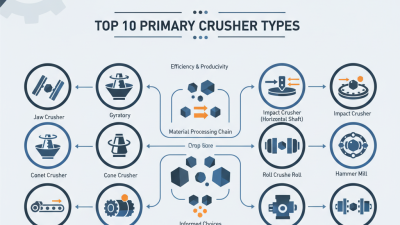
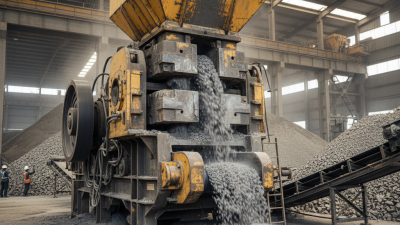
A Primary Crusher operates by applying force to break materials, often using various mechanisms. Typical types include jaw crushers, impact crushers, and cone crushers. Each type has unique advantages, suitable for different materials and conditions. For example, jaw crushers are excellent for hard, abrasive materials, while impact crushers excel in handling softer substances.
Yet, the Primary Crusher is not without challenges. Operators must pay close attention to maintenance. Neglect can lead to inefficiencies or even breakdowns. Training and expertise are essential for optimal performance. In an industry that relies on precision, the role of the Primary Crusher cannot be overstated. The effectiveness of the entire processing system hinges on this foundational machine.
What is a Primary Crusher?
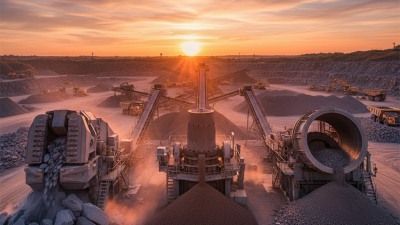
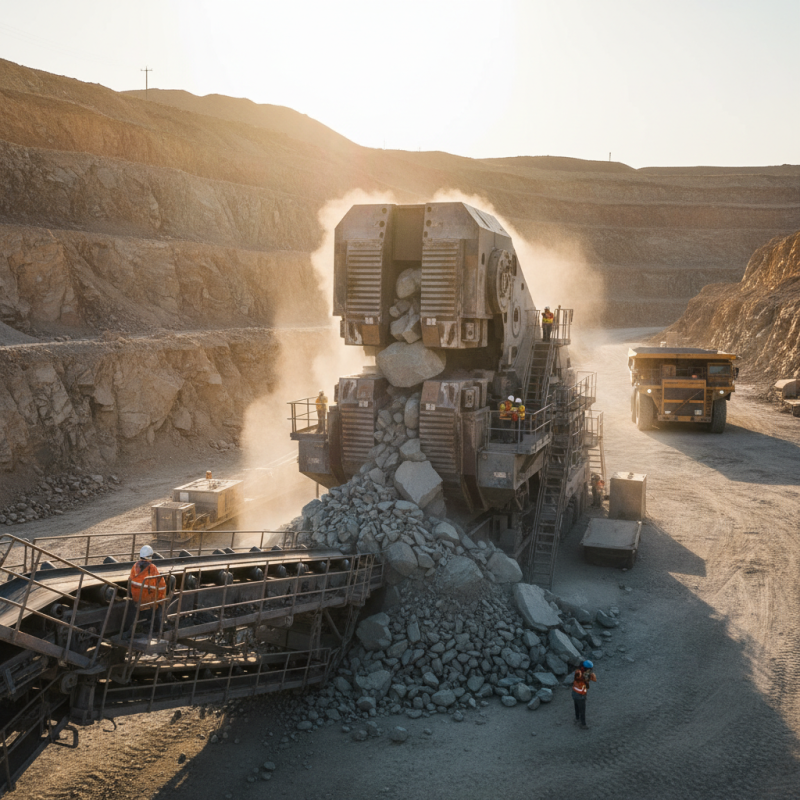
A primary crusher is a vital piece of equipment in mining and construction. It is designed to reduce large rocks into smaller, manageable pieces. This machine is essential for the processing of materials like gravel, ore, and stones. Typically, the primary crusher is the first stage in the crushing circuit. According to industry reports, it can handle large volumes of material and significantly boosts productivity.
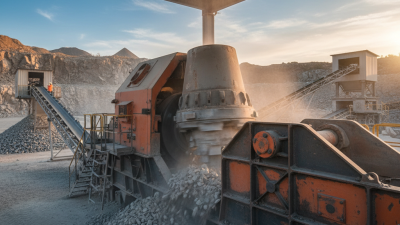
Primary crushers come in various types, including jaw crushers and gyratory crushers. Jaw crushers operate by compressing material between two plates. They typically handle materials ranging from 10 to 80 inches in size. Gyratory crushers, on the other hand, employ a rotating mantle and a stationary bowl to crush material. The efficiency of these machines impacts the overall effectiveness of the processing plant.
Tip: Regular maintenance is crucial. A well-maintained primary crusher can reduce downtime and improve performance. Keep an eye on wear parts.
Tip: Always monitor the input material size. Too large of a feed can lead to unnecessary wear or even breakdowns.
In an ever-evolving industry, adopting new technologies and methods is key. Many operations are now focusing on optimizing their crushing processes to enhance efficiency. However, it’s vital to critically assess the limitations of existing machinery, understanding that technology alone won't solve all challenges.
Understanding Primary Crushers Through Production Volume
The Role of Primary Crushers in Mining and Construction
Primary crushers are vital in mining and construction. They serve as the first stage of material size reduction. Without these machines, processing raw materials would be challenging. The mining industry alone sees a growing demand for efficient crushing systems. Data from recent reports indicate that the global primary crushers market is projected to grow at a CAGR of 4.5% from 2023 to 2028.
The role of primary crushers cannot be overstated. They handle large rocks, boulders, and other materials. A typical primary crusher can reduce materials to about 10 inches or less in size. This primary reduction prepares materials for further processing. High-quality health and safety practices must guide their operation. Poor practices can lead to inefficiencies and accidents. Many sites lack proper safety protocols, putting workers at risk.
Understanding the energy consumption of primary crushers is crucial. They can consume a significant amount of energy, leading to higher operational costs. Yet, optimizing energy use can reduce these costs by up to 20%. However, achieving this requires investment in technology and training. Many companies often overlook this aspect, leading to wasted potential.
Types of Primary Crushers and Their Mechanisms
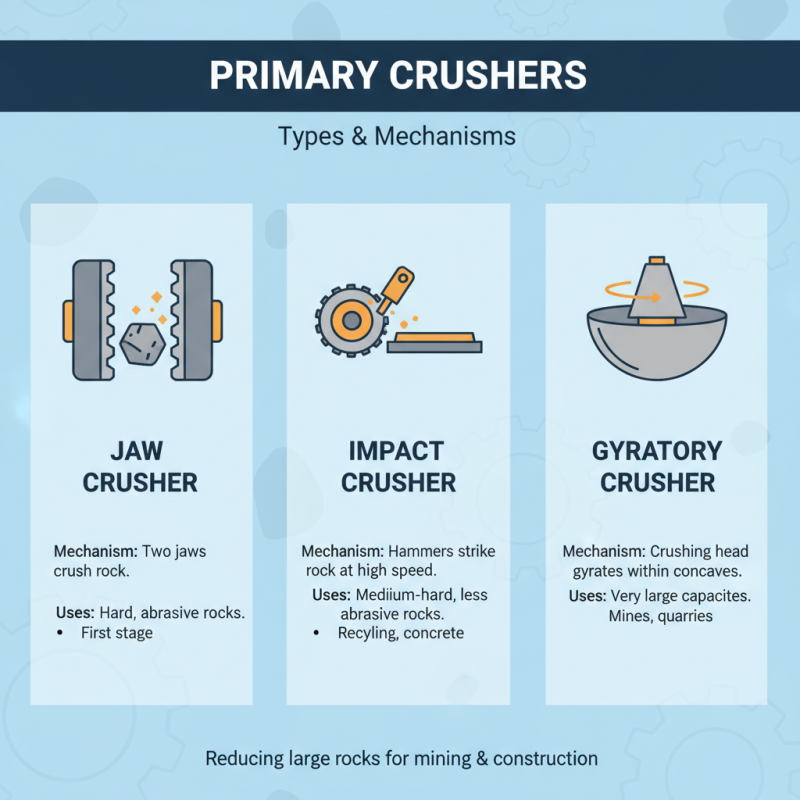
Primary crushers play a vital role in mining and construction. These machines reduce large rocks into smaller, manageable sizes. The main types of primary crushers include jaw crushers, impact crushers, and gyratory crushers. Each type has its unique mechanism and specific use cases.
Jaw crushers are commonly used for their versatility. They utilize two jaws, one stationary and one moving, to crush rocks. The design allows for a wide range of sizes to be processed. Impact crushers, on the other hand, rely on high-speed impact to break materials. They are effective for softer materials and produce a cubical product. Gyratory crushers involve a spinning cone that crushes material against a fixed outer wall. This type is ideal for high-capacity requirements.
When selecting a primary crusher, consider material type and desired output size. Ensure the crusher aligns with your production goals. Also, regular maintenance is crucial. Oversights can lead to inefficiencies.
**Tip:** Always evaluate operating costs. Cost-effective solutions often yield better long-term results.
In practice, some crushers may struggle with highly abrasive materials. Not all designs handle tough conditions well. It’s important to evaluate machine performance regularly. Continuous improvement can enhance productivity.
How Primary Crushers Operate: A Step-by-Step Breakdown
Primary crushers are essential in the mining and aggregate industries. These machines break down large rocks into smaller, manageable pieces. They utilize various mechanisms, such as jaw, impact, or cone shapes, to crush materials. By understanding how they operate, we can appreciate their role in the overall production process.
The operation of a primary crusher begins with material feeding. Large rocks, often extracted from quarries or mines, are loaded into the crusher's intake. The crushing mechanism then exerts force onto the material. This force compresses, fractures, or impacts the rocks. As the material reduces in size, it passes through the discharge opening.
The size of this opening can be adjusted to control the output. It's intriguing to note that not all materials crush uniformly. Variations in rock type and size can affect how efficiently the crusher performs.
Monitoring the crusher's operation is crucial. Regular maintenance checks ensure that the machine functions well. Over time, wear and tear may alter performance, requiring adjustments.
Operators may find certain materials cause unexpected issues. These challenges highlight the need for experience and adaptability in managing the crushing process. Awareness of these factors can lead to improved efficiency and productivity.
Importance of Selecting the Right Primary Crusher for Your Needs
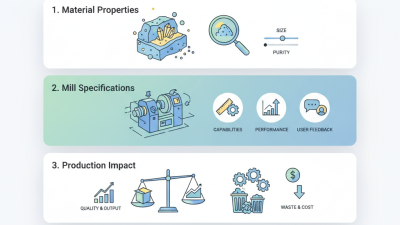
Choosing the right primary crusher is critical for the success of any mining or aggregate operation. The complexity of this decision is often underestimated. Operators must consider several factors that influence performance and longevity. These factors include the material type, desired output size, and the specific conditions of the site. Each type of crusher works differently, making knowledge about their features essential.
Selecting an inappropriate primary crusher can lead to inefficiencies. For instance, a crusher not suited for hard materials may wear down quickly. This inevitably increases maintenance costs and downtime. Additionally, mismatched equipment can lead to poor product quality. Therefore, it's vital to understand project requirements clearly. Operators should gather data and insights from previous projects. Reflection on past experiences can guide future choices.
In the end, it’s not just about what looks best on paper. Real-world performance often deviates from expectations. Therefore, a careful evaluation of your specific needs and potential challenges can significantly impact outcomes. The goal is to find a balance between performance and reliability, ensuring the equipment meets both current and future demands.
What is a Primary Crusher and How Does it Work? - Importance of Selecting the Right Primary Crusher for Your Needs
| Crusher Type |
Application |
Material Processed |
Capacity (tons/hour) |
Power Requirement (kW) |
| Jaw Crusher |
Primary crushing of hard rocks |
Granite, Basalt |
50 - 850 |
30 - 200 |
| Gyratory Crusher |
Primary crushing of large volumes |
Ore, Limestone |
100 - 1000 |
75 - 400 |
| Impact Crusher |
Primary and secondary crushing |
Concrete, Asphalt |
30 - 500 |
50 - 300 |
| Roll Crusher |
Crushing of soft and sticky materials |
Clay, Coal |
10 - 150 |
10 - 100 |
| Cone Crusher |
Secondary and tertiary crushing |
Stone, Gravel |
50 - 700 |
75 - 500 |