Leave Your Message

What Is a Wet Grinding Ball Mill and How Does It Work?

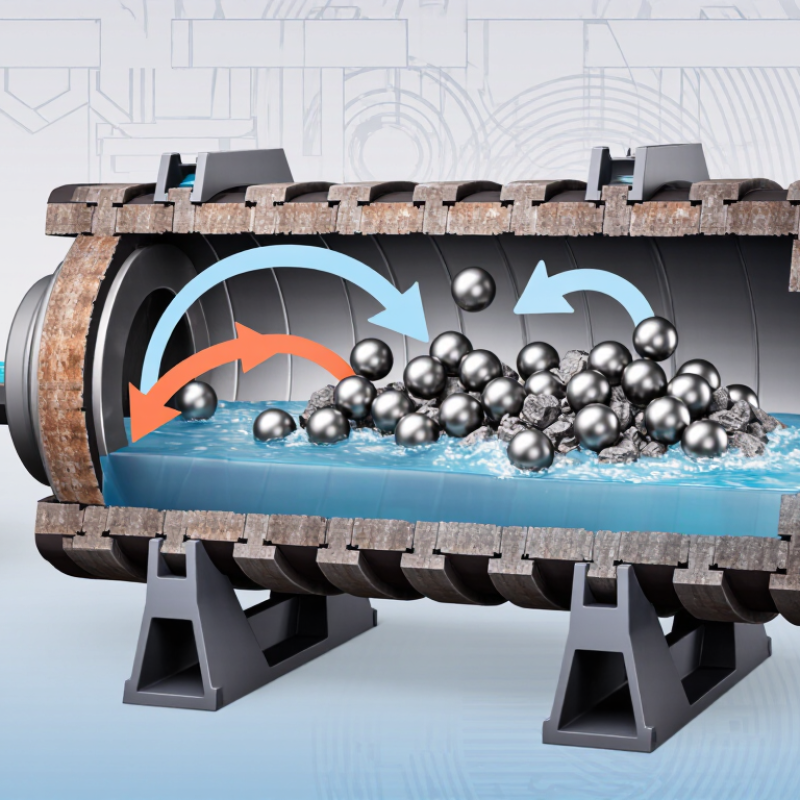
A Wet Grinding Ball Mill reduces ore or other solid materials while water keeps the grinding charge in motion. Inside its rotating steel shell, heavy balls lift and fall, striking and abrading the feed. Water carries the resulting slurry through the mill and onward to the next processing stage. The sound is steady; the details matter.

The mill’s purpose is not simply to make particles as small as possible. It is to reach a useful size while balancing throughput, energy use, and downstream separation needs. Barry A. Wills, author of Mineral Processing Technology, provides a useful perspective on mineral processing. In paraphrase, his work points to a practical principle: grinding should support the separation that follows, not pursue fineness for its own sake. This is a paraphrase, not a verified verbatim quotation.

How does the equipment turn rotation into effective wet grinding? The answer depends on interacting factors, including feed size, ball charge, water addition, and operating speed. Too much water can dilute the slurry; too little can make it difficult to move. Small changes can matter. Operators monitor the mill and its product, then adjust conditions based on measured results. Yet no single setting suits every ore. That uncertainty deserves attention.

This guide explains the Wet Grinding Ball Mill, its main components, and how wet grinding works in practice. It also examines the trade-offs behind common operating choices. Expect clear mechanisms, not magic.
What Is a Wet Grinding Ball Mill and How Does It Work?

What a Wet Grinding Ball Mill Is

A wet grinding ball mill is a rotating drum that reduces solid materials while water is present. Inside, steel or ceramic balls lift and tumble as the drum turns. They strike and rub the feed, breaking larger pieces into finer particles. The result is usually a pumpable slurry, not dry powder. That matters. Water helps move material through the mill and can limit dust, but the slurry still needs the right consistency. Too much water may slow separation; too little can make the mixture difficult to handle.

Mill size, rotation speed, ball load, and feed hardness all affect the final particle size. Operators may adjust these conditions after checking samples, because the same settings do not suit every ore or process. Some systems send slurry through the mill again until it reaches a target size. A mill alone does not guarantee a uniform product. Worn grinding media, uneven feeding, or changing moisture can cause variation, and those details are easy to underestimate. In practice, the equipment is straightforward in principle, but stable results require regular monitoring.
Main Components and Their Functions

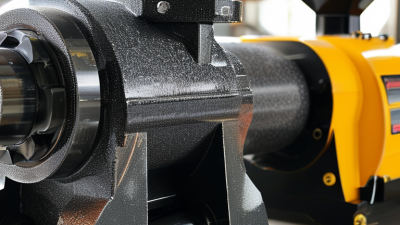
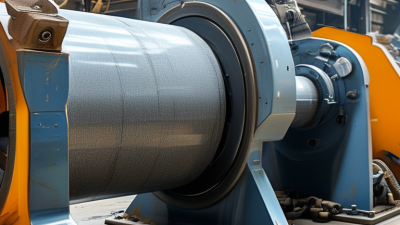
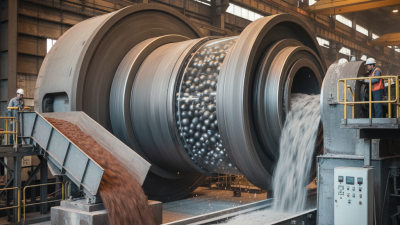
A wet grinding ball mill uses a rotating drum to reduce ore or other solid feed while water forms a slurry. The cylindrical shell holds the charge and turns on support bearings. Inside, replaceable liners protect the shell from impact and abrasion. Their shape also helps lift the grinding media as the drum rotates. The details matter. Worn or poorly fitted liners can change how the charge moves and reduce grinding consistency.

Steel or ceramic balls provide the impact and rubbing action that breaks particles down. The drive motor and gearbox supply rotation, while the trunnions and bearings support the drum and carry its load. Feed enters through one end, often with water added to control slurry flow. Ground material leaves through a discharge arrangement, such as a grate or overflow, depending on the mill design. These parts work as a system, not as isolated pieces.

Water control deserves close attention. Too little can make the slurry thick and slow discharge; too much may dilute the pulp and burden downstream separation. Operators often check slurry density, sound, and bearing temperature during routine rounds. These clues are useful, but they do not replace proper measurements. It is easy to assume that more grinding time always creates a finer product; in practice, media size, feed size, and mill condition also matter.

How Wet Grinding Works Step by Step

A wet grinding ball mill reduces solid material while water carries the feed through a rotating drum. The operator measures the solids and water, then mixes them into a pumpable slurry. The ratio matters: too little water can make the charge sluggish, while too much may dilute the mill’s output. Check the feed for coarse lumps before it enters. That detail matters.

Inside the drum, steel or ceramic balls rise with the rotating shell and then fall or roll across the material. Their impact breaks larger particles; rubbing between balls and particles gradually makes the slurry finer. Rotation speed, ball size, feed rate, and residence time all affect the result. The action is steady, but not perfectly uniform.

As slurry leaves the mill, a screen or classifier can separate finer material from particles that need more grinding. Operators may adjust water flow or feed rate after checking a sample’s particle size. A wet sample can look smooth yet still contain oversized grains, so visual inspection alone is unreliable. Keep an eye on bearing temperature, unusual vibration, and discharge consistency during operation. Small changes can shift performance, and the right settings often need careful testing with the actual ore or material.

Factors That Influence Grinding Performance

Grinding performance starts with the ore. A coarse or variable feed consumes more energy before particles reach the target size. Keep feed size steady, and check it when the circuit’s output suddenly changes. Ore hardness matters too; two visually similar samples can grind at different rates.

Water, media, and mill speed interact. Too little water can make slurry thick, slowing particle movement; too much may dilute the pulp and reduce effective grinding. Bond’s ball-mill work-index test uses a 250% circulating-load target (Bond, “Crushing and Grinding Calculations,” 1961). That is a laboratory benchmark, not a universal plant setting. I would not treat it as one. Steel-ball size and charge level also shape breakage: larger balls can help break coarse feed, while smaller media offer more contact points for finer particles. Worn liners alter lifting action, and poor classification can send already-fine material back through the mill. Small changes matter. Check samples, slurry density, and screen or cyclone performance together; otherwise, a useful adjustment may look like a failure.

Common Applications and Ground Products

Wet grinding ball mills are used when water or process liquid carries solids through tumbling grinding media. Common applications include mineral processing for copper, gold, and iron ores, as well as ceramics, pigments, and industrial minerals. The resulting slurry can feed flotation, leaching, or other separation stages. Fine products may also be used in ceramic bodies and mineral fillers. Not every plant uses the same target size. Ore hardness, slurry density, and downstream chemistry all affect the operating choice.

The scale is substantial. USGS estimated 2023 world copper mine production at about 22 million metric tons in Mineral Commodity Summaries 2024. This figure is not wet-mill throughput, but it gives context for the size of the ore-processing sector where wet grinding is widely used. Operators monitor slurry density, mill power, and product size; even a modest density shift can affect flow and grinding efficiency. Small changes matter. Wet mills also grind limestone and other minerals into fine powders, although moisture can complicate storage and transport. The USGS figure does not mean every tonne passes through a ball mill. That distinction is easy to overlook.

What Is a Wet Grinding Ball Mill and How Does It Work? - Common Applications and Ground Products

Common Application Typical Feed Material Ground Product Typical Purpose How Wet Grinding Is Used
Metal ore processing Copper, gold-bearing, lead-zinc, or other mineral ore, usually after crushing Fine ore slurry containing liberated or partly liberated mineral particles Prepare ore for separation processes such as flotation, gravity concentration, or leaching Water and ore are tumbled with grinding media so impact and abrasion reduce particle size.
Limestone and calcium carbonate Crushed limestone or calcium carbonate rock Ground calcium carbonate slurry Produce fine mineral feed for uses such as paper, coatings, plastics, and other industrial products Wet milling can produce a pumpable slurry; the required fineness depends on the downstream process.
Silica and quartz processing Quartz or silica sand Fine silica slurry Prepare silica for glass, ceramics, foundry, or other mineral-processing applications Grinding reduces particle size; classification or screening may be used afterward to control the product range.
Ceramic raw materials Feldspar, clay, quartz, and other ceramic ingredients Blended ceramic slip or fine mineral slurry Prepare consistent raw-material mixtures for ceramic bodies and glazes Wet milling helps disperse and grind multiple ingredients together; the slurry can be used in later forming or processing steps.
Phosphate mineral processing Crushed phosphate rock Ground phosphate-ore slurry Prepare material for beneficiation and subsequent fertilizer-related processing The mill reduces particle size in a water-based suspension, with the target size determined by the separation flowsheet.
Mineral pigments and fillers Mineral solids such as selected iron oxides, barytes, or other non-metallic minerals Fine pigment or mineral-filler slurry Prepare particles for formulation in coatings, construction materials, or other products Wet grinding can reduce particle size while keeping the material suspended for transfer or further processing.

How the mill works: A rotating cylindrical shell lifts and tumbles the grinding media and material. As the media fall and roll, impact and abrasion break down the feed. In wet operation, water or another suitable liquid forms a slurry that is discharged for further processing. Actual capacity and product fineness depend on the feed, mill design, operating conditions, and circuit configuration.