Top 10 Wet Grinding Ball Mill Benefits You Need to Know?
In the world of milling technology, the "Wet Grinding Ball Mill" stands out for its efficiency and effectiveness. Dr. David Miller, a renowned expert in mineral processing, emphasizes, “The proper use of wet grinding can significantly enhance product quality.” Understanding its benefits is crucial for manufacturers and engineers alike.
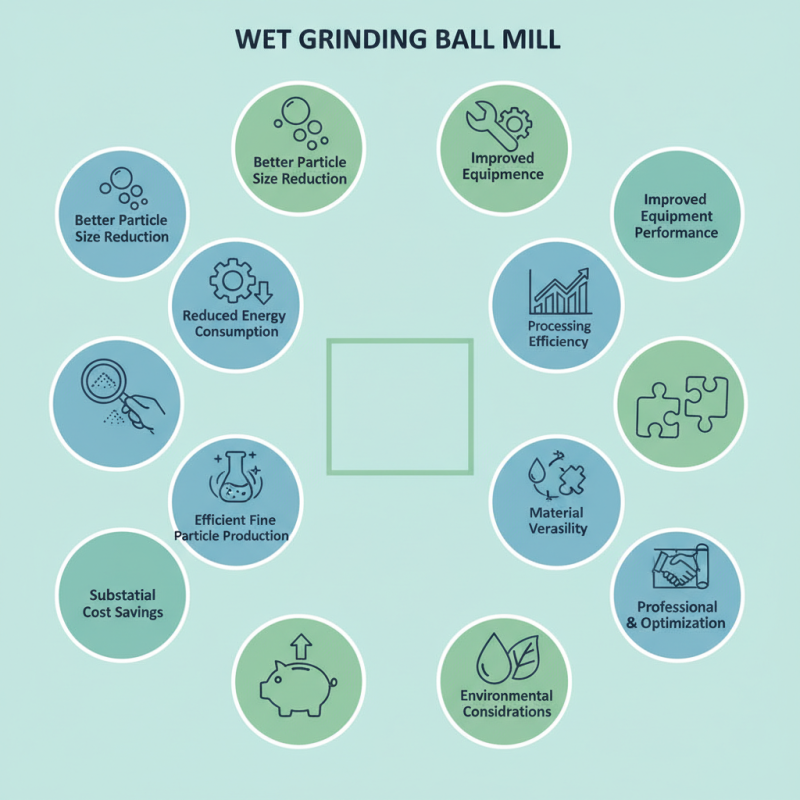
Wet grinding offers numerous advantages. It provides better particle size reduction compared to dry methods. This process is essential for producing fine particles in various industries. The reduction in energy consumption during wet grinding is noteworthy. However, some still overlook its potential. Proper implementation can result in substantial savings and improved performance.
Moreover, addressing the challenges of the wet grinding process is essential. Factors such as equipment maintenance and material compatibility must be taken into account. While the benefits are clear, attention to detail is vital. This ensures a smooth operation and maximizes the effectiveness of the Wet Grinding Ball Mill. Engaging with trusted professionals is a step towards achieving the best results in production.
Understanding the Basics of Wet Grinding Ball Mills
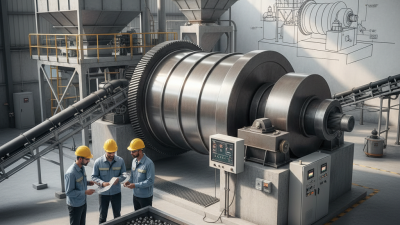
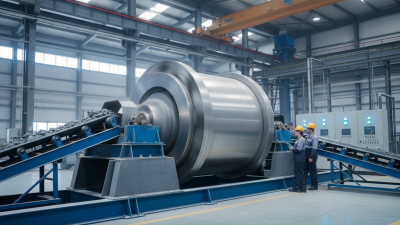
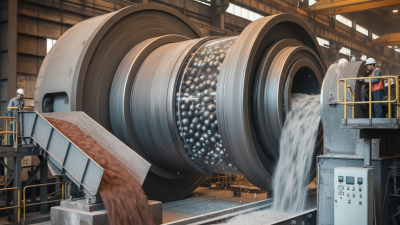
Wet grinding ball mills are essential in various industries. They offer a unique approach to material processing. Unlike dry grinding, wet grinding involves the use of water or other liquids. This method helps improve the efficiency of grinding. It also aids in achieving a finer product.
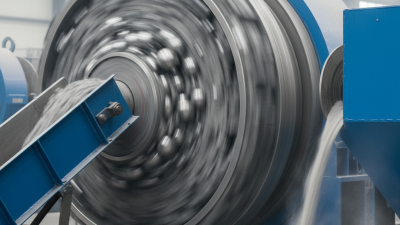
The process starts with the material being fed into the mill. Water is added to create a slurry. This mixture enhances the grinding action. The grinding media, usually balls, interact with the slurry. They break down the material into smaller particles. The design of wet grinding mills allows for better energy consumption. However, improper maintenance can lead to wear and reduced effectiveness. This aspect often requires reflection and improvement.
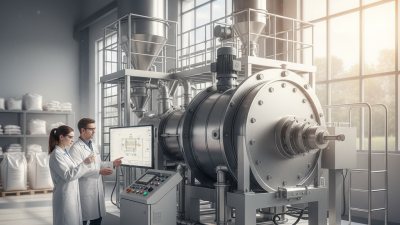
Choosing the right wet grinding ball mill is crucial. It should fit the specific needs of the operation. Operators must pay attention to the size and nature of the material. Overlooking these details can lead to inefficiencies. Additionally, understanding the ideal speed and time for operation is valuable. These factors significantly influence the results of the grinding process.
Key Advantages of Using Wet Grinding in Industrial Applications
Wet grinding is gaining traction in various industrial applications. This method offers distinct advantages over dry grinding, particularly in particle size reduction. Research indicates that wet grinding can achieve finer particle sizes, often in the range of 5 to 10 micrometers. This level of precision is crucial for industries like paint, coatings, and pharmaceuticals.
The additive of water during the grinding process helps in reducing heat generation. Excessive heat can impact material properties, often leading to degradation. Reports from industry experts suggest that wet grinding systems can also increase throughput by 20-30%. This enhanced efficiency makes them an attractive choice for manufacturers looking to optimize production.
Tips: Always consider the type of material you are grinding. Not all materials benefit from wet grinding. Additionally, monitor the water-to-material ratio to avoid over-saturation. Balancing these elements can lead to improved results and cost savings. Remember, consistency in your process is key to achieving the desired outcomes. Evaluate your setup regularly for any needed adjustments.
How Wet Grinding Ball Mills Improve Material Consistency
Wet grinding ball mills play a crucial role in ensuring material consistency in various industries. The process involves the use of liquid, which allows for better mixing and separation of particles. This results in a more uniform product, enhancing the overall quality. Unlike dry grinding, wet grinding minimizes dust and airborne particles, providing a cleaner working environment.
One significant benefit is that the liquid medium helps control the temperature. Excessive heat can alter material properties, leading to inconsistencies. Additionally, wet grinding can break down materials more efficiently. This can lead to faster processing times, but it’s important to monitor the process closely. Relying on this technique doesn't come without challenges, like the need for more maintenance and careful handling of equipment.
Material consistency is critical in many applications, from pharmaceuticals to ceramics. The right grinding method can enhance performance and reduce waste. However, achieving this consistency requires a well-optimized process. It is worth reflecting on the trade-offs involved in wet grinding versus dry options. The benefits often outweigh the drawbacks, but careful planning is essential to ensure success.
Top 10 Benefits of Wet Grinding Ball Mills
Cost-Effectiveness: The Economic Benefits of Wet Grinding
Wet grinding ball mills offer significant economic benefits for various industries. One key advantage lies in cost-effectiveness. These mills use water as a lubricant, which reduces energy consumption. Lower energy costs can lead to substantial savings over time. Moreover, wet grinding often results in better particle size reduction, enhancing product quality and efficiency.
Tips: Consider the volume of materials you process. Large-scale operations can see more savings. Evaluate your current grinding processes. Small adjustments may lead to better outcomes.
Another important aspect is maintenance. Wet grinding systems generally require less maintenance than dry methods. The absence of dust and reduced wear on machinery prolong their lifespan. This can result in decreased downtime and repair costs. However, water management becomes crucial. It’s essential to ensure proper waste disposal and water recycling strategies.
Tips: Keep track of water usage. Establish a recycling system early on. Monitor equipment regularly to prevent potential issues. These small steps can improve overall efficiency and sustainability.
Environmental Considerations in Wet Grinding Technologies
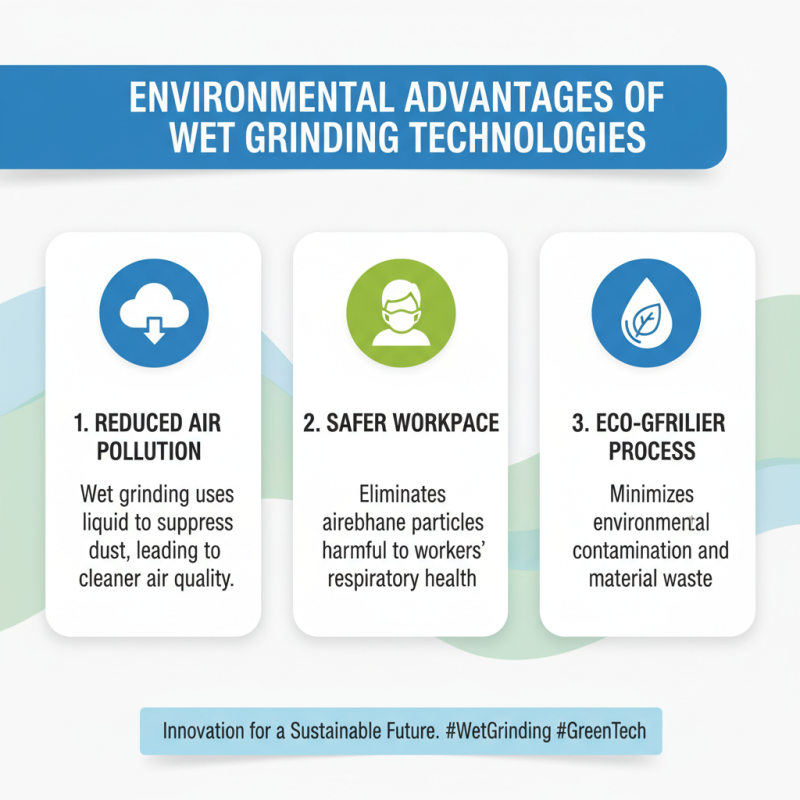
Wet grinding technologies have gained attention due to their environmental advantages. These methods use water or other liquids, significantly reducing dust generation. In traditional grinding processes, dust can pollute air quality and harm workers. Wet grinding mitigates this issue, leading to a safer workplace and a cleaner environment.
However, there are challenges. The disposal of wastewater requires careful management. If not treated properly, it poses risks to local ecosystems. Facilities must invest in wastewater treatment systems to minimize their environmental impact. This adds to operational costs but is crucial for sustainable practices.
Another aspect to consider is energy use. Wet grinding can consume more energy compared to dry methods. This energy demand could contribute to higher carbon footprints. Reevaluating the process efficiency becomes necessary. Striving for improvements in energy consumption can enhance both sustainability and productivity in the long run.