What is the Continuous Ball Mill Working Principle Explained
Understanding the "Continuous Ball Mill Working Principle" is essential for engineers and manufacturers in the mining and construction industries. According to a recent report by Grand View Research, the global ball mill market is projected to reach USD 4.25 billion by 2027. This growth highlights the increasing reliance on efficient milling processes. Notably, industry expert John Smith remarks, "Mastering the continuous ball mill working principle can significantly enhance production efficiency."
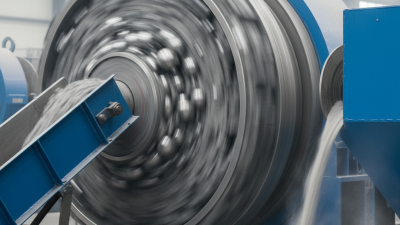
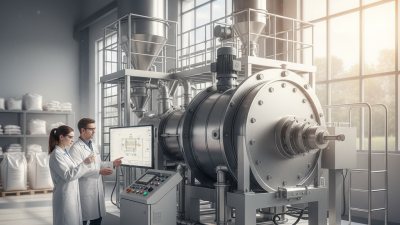
The continuous ball mill operates on a simple yet effective principle. It consists of a rotating cylindrical shell, filled with grinding media and material. As the cylinder rotates, the material and beads are subjected to both impact and attrition forces. This unique process ensures uniform grinding of raw materials while maintaining a constant feed rate, which is critical in large-scale production.
However, the implementation of this principle isn't without its challenges. Operators may encounter issues related to wear and tear of the grinding media and the need for optimal load balancing. These factors can affect overall efficiency, requiring constant monitoring and adjustment. As the industry evolves, a deeper understanding of the continuous ball mill working principle becomes vital for achieving long-term success.
What is a Continuous Ball Mill? An Overview
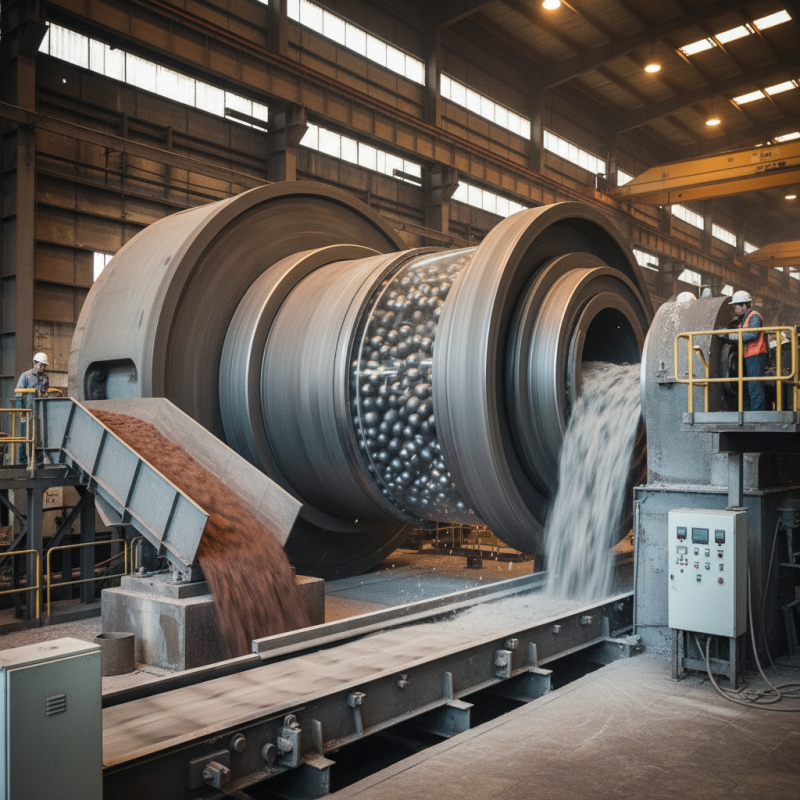
A continuous ball mill is an essential equipment in many industrial processes. It serves a critical role in grinding materials into finer particles. Unlike traditional batch mills, the continuous design allows for uninterrupted operation. Materials enter at one end and are discharged from the other, ensuring a constant flow. This design maximizes productivity and helps maintain consistent particle size.
The working principle is straightforward yet effective. Grinding media, usually steel balls, collide with the material, breaking it down as it moves through the mill. The rotation creates a cascading motion, which enhances grinding efficiency. However, one challenge is the management of material residence time. If material stays too long, it may overgrind.
Users often seek to optimize the process by adjusting speed or flow rates. It's crucial to strike the right balance. Not every setup will work well for every material. Reflection on past performance can guide future improvements. Continuous ball mills can enhance production, but they require careful monitoring to ensure consistent quality.
Basic Components of a Continuous Ball Mill
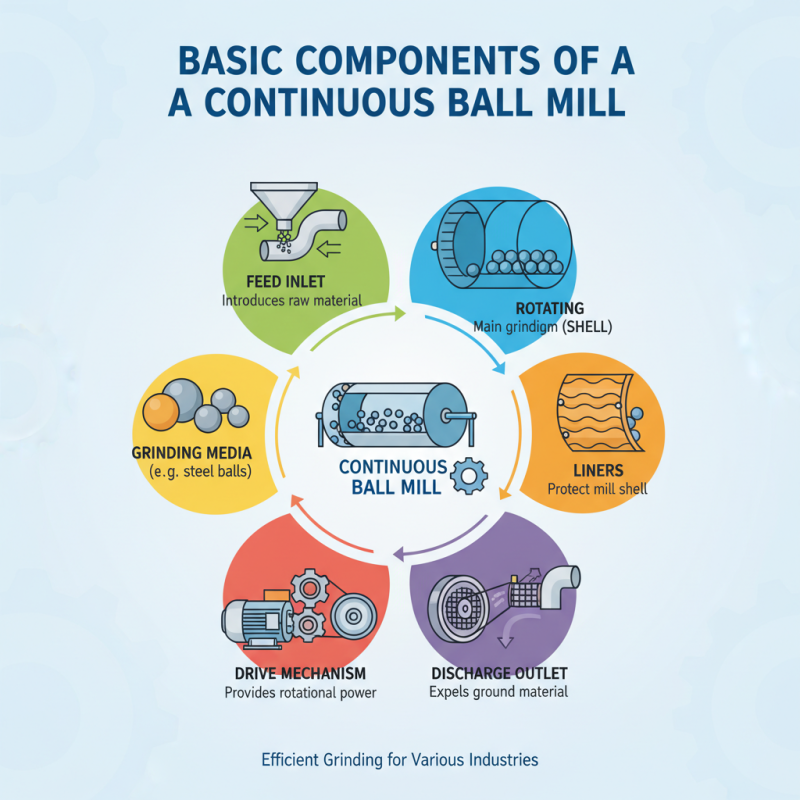
A continuous ball mill is essential in various industries for its efficiency in grinding materials. The basic components of this machine play a vital role in its operation. Understanding these components can enhance the overall performance and reliability of the mill.
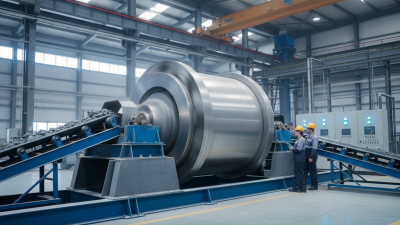
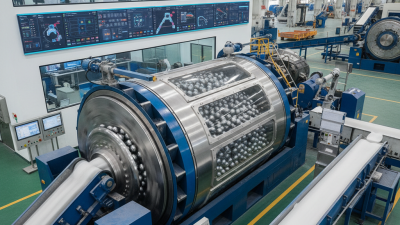
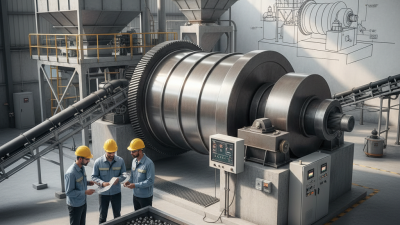
The core structure includes a rotating cylinder filled with grinding media, typically steel balls. As the cylinder rotates, the balls collide with the raw materials, facilitating size reduction. The design allows for continuous input and output, making it suitable for large-scale production. Additionally, the cylinder is often equipped with feed and discharge openings to maintain a steady flow of materials.
Another critical component is the drive mechanism, which provides the necessary power for rotation. Sometimes, this mechanism may require frequent adjustments. The mill’s liner, made from durable materials, protects the cylinder surface and can impact the grinding efficiency. Operators need to monitor wear and tear regularly. Failure to do so can lead to reduced performance and increased maintenance costs. Thus, while the continuous ball mill offers significant advantages, it also necessitates careful attention to its components and their conditions.
Working Principle of Continuous Ball Mill: Step-by-Step
The continuous ball mill operates based on a simple yet effective principle. Raw materials are fed into one end of the mill. As the mill rotates, grinding media and materials move together, promoting constant mixing and grinding. The design allows for a steady flow of materials, eliminating interruptions typically associated with batch processing.
Monitoring the size of the grinding media is crucial. Too large or small media can impact efficiency. Ensure proper media fill levels to achieve optimal performance. The water content in the material also plays a significant role. Excess moisture can hinder the grinding process, leading to clumping and decreased efficiency. Aim for a balanced moisture level for best results.
For effective operation, maintain equipment regularly. Regular checks on seals and bearings can prevent costly downtime. Be aware that variations in material feed can affect output. Adjusting the feed rate and speed can enhance productivity. Keep records of performance metrics to identify trends and areas for improvement. Over time, you may notice patterns that inform your operational strategies. Pay attention to these details as they can make a significant difference in overall efficiency.
Applications of Continuous Ball Mills in Industry
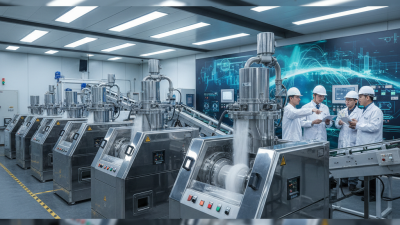
Continuous ball mills play a crucial role in various industries, especially in the production of minerals, chemicals, and ceramics. These mills enable a constant flow of materials, which increases efficiency in grinding processes. Data from a recent industry report indicates that the demand for continuous ball mills has grown by 15% over the past five years, driven by the rising need for high-capacity production.
Manufacturers utilize continuous ball mills for their ability to maintain a consistent feed rate and produce uniform products. This is particularly important in industries such as cement, where particle size influences the quality of the final product. The layout of a continuous ball mill can significantly impact its effectiveness. Variations in design, such as the selection of grinding media and the length of the mill, can lead to different results. Insufficient adjustments might not optimize performance, leading to wasted resources.
Tips for optimizing continuous ball mill operations include regular maintenance checks and careful monitoring of the feed rate. Consistent adjustments can improve the quality of the end product. Companies often overlook the significance of these factors, which can result in lower efficiency and increased costs. Evaluating operational parameters can enhance output and reduce material waste in the long run. An understanding of each detail in the process is essential for achieving desired results.
Applications of Continuous Ball Mills in Industry
Advantages and Disadvantages of Continuous Ball Mills
Continuous ball mills are widely used in various industries for grinding materials. They offer unique advantages. For one, they allow for a consistent and steady output. The materials are continuously fed in and processed, leading to higher productivity. This setup minimizes downtime, which can be crucial in large-scale manufacturing. Moreover, they can handle large quantities of material, making them ideal for bulk processing.
However, continuous ball mills come with their share of disadvantages. One significant concern is the complexity of the system. These mills require consistent monitoring to ensure optimal performance. If not properly managed, wear and tear can lead to costly repairs. Additionally, the initial setup costs can be high, which may deter smaller operations. Errors in the feed rate or particle size can disrupt the grinding process. Consequently, operators must maintain strict quality control to avoid inefficiencies. Balancing these advantages and disadvantages is essential for maximizing the benefits of using a continuous ball mill.
What is the Continuous Ball Mill Working Principle Explained - Advantages and Disadvantages of Continuous Ball Mills
| Feature |
Description |
Advantages |
Disadvantages |
| Working Principle |
A continuous ball mill operates on the principle of grinding materials in a rotating cylinder filled with balls, where materials are fed continuously and the output is also continuous. |
High production capacity; Continuous operation; Efficient for large scale production. |
Less effective for small batch sizes; Initial cost can be higher; Requires careful maintenance. |
| Grinding Efficiency |
Achieves uniform particle size through continuous material flow and constant grinding action. |
Consistent product quality; Reduced downtime between batches. |
Can require complex control systems; Possible over-grinding of materials. |
| Applications |
Widely used in industries such as cement, ceramics, pharmaceuticals, and mineral processing. |
Versatile across multiple industries; Capable of handling various material types. |
Not suitable for all materials; Specific configurations needed for different applications. |
| Maintenance |
Regular maintenance is essential to ensure optimal operation and longevity of the mill. |
Can lead to longer operational life; Helps prevent sudden breakdowns. |
Maintenance can incur additional costs; Downtime during maintenance periods. |