Top 10 Insights on Continuous Ball Mill Working Principle?
Understanding the Continuous Ball Mill Working Principle is essential for professionals in the manufacturing and processing industries. This equipment plays a vital role in grinding materials, ensuring efficiency and productivity. By exploring its working principle, one can unlock its capabilities and limitations.
A continuous ball mill operates under the concept of consistent material flow. The design allows for extended processing times, which maximizes output. However, maintaining the right parameters is crucial. Fluctuations in speed or feed rate can lead to suboptimal results. It’s a delicate balance.
In practice, real-world applications often reveal imperfections. Many users report challenges with wear and tear on the mill components. Careful monitoring and timely maintenance are required to extend the equipment's lifespan. Despite these hurdles, a thorough understanding of the Continuous Ball Mill Working Principle can guide users in overcoming obstacles and optimizing performance.
Understanding the Basic Concept of Continuous Ball Mills
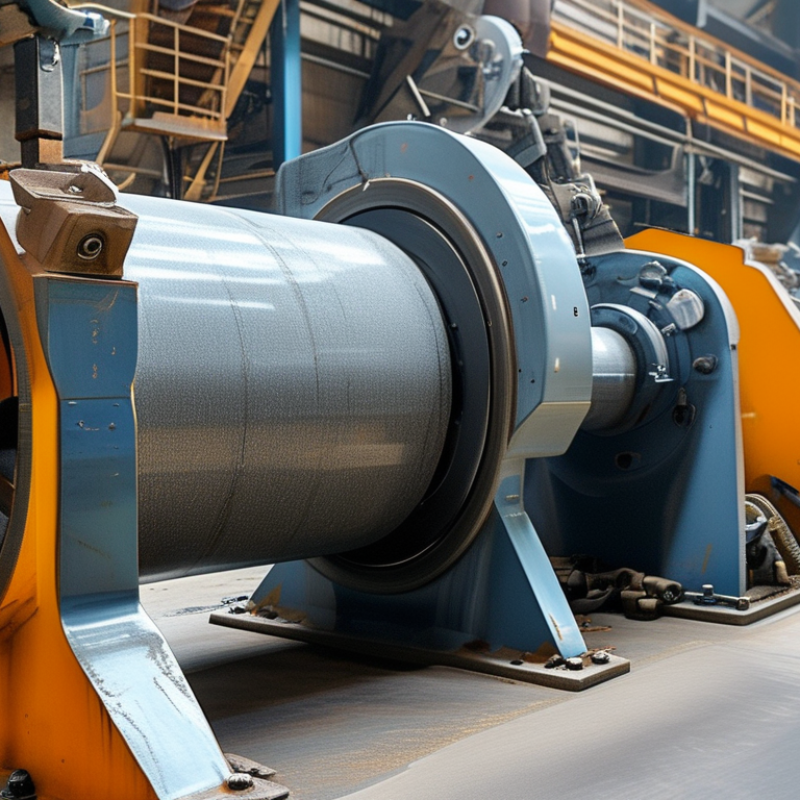
Continuous ball mills are essential equipment in various industries, including cement and mining. They operate on the principle of continuously feeding raw materials into the grinding chamber. Inside, steel balls crush and grind materials into finer particles. This process allows for a steady output of product, which boosts productivity.
Industry reports indicate that these mills account for a significant portion of grinding operations. The efficiency rates reported can reach over 90% in optimal conditions. However, it is crucial to monitor parameters like feed rate and material hardness. Poor feed quality often leads to inefficiencies and can damage the mill.
While continuous ball mills offer great advantages, they are not without challenges. Maintenance is a key factor for sustained performance. Regular checks on the ball charge and wear rates improve lifespan and functionality. Some operators overlook these aspects, leading to operational hiccups. Investing time in these areas reflects a commitment to enhancing efficiency and output.
Top 10 Insights on Continuous Ball Mill Working Principle
This bar chart illustrates the performance metrics related to the continuous ball mill working principle, highlighting key insights like size reduction efficiency, energy consumption, and more. Each metric indicates the effectiveness of various operational parameters essential for optimizing the grinding process.
The Mechanism of Ball Movement and Material Grinding Inside the Mill
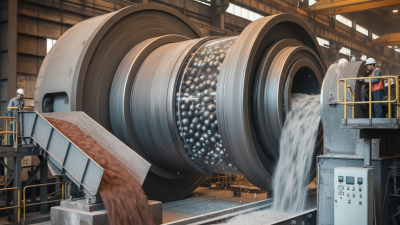
The continuous ball mill is a vital machine in various industries for grinding materials. Understanding the mechanism of ball movement and material grinding is essential. Inside the mill, balls continuously roll and tumble, creating a grinding effect. This action is driven by gravity and a rotation mechanism that keeps the balls in motion. The effective grinding occurs as the balls collide with each other and the material.
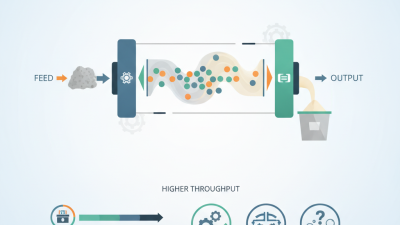
Material enters through one end and exits at the other. This continuous flow enables constant processing, allowing for larger quantities to be ground simultaneously. As the balls move, larger particles get crushed down, while smaller particles are further refined.
Tips: To ensure optimal performance, regularly check the ball composition. The material type can heavily influence the grinding efficiency. Additionally, maintain the mill's rotational speed. Too fast or too slow can hinder the grinding process.
The design of the mill also plays a role. The cylinder's lining and the size of the balls determine the effectiveness. For best results, adjust the ball size according to the material being processed. Lastly, a delicate balance between speed and the charge level is crucial. Finding the right combination can take time and experimentation.
Key Components of a Continuous Ball Mill and Their Functions
Continuous ball mills play a crucial role in various industries, primarily in grinding materials into fine powders. Understanding the key components of a continuous ball mill helps in optimizing its performance. The feed hopper is the starting point, where raw materials enter the system. It must be designed to ensure a consistent flow of materials to avoid blockages and uneven grinding.
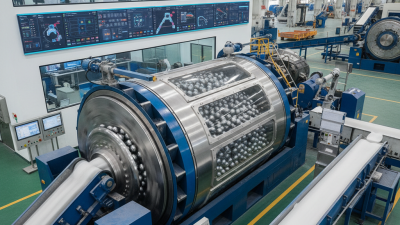
The milling chamber contains the grinding media, usually steel balls, which are essential for the grinding process. Studies indicate that a proper ratio of media size to the material size is critical; typically, media sizes range from 20 mm to 100 mm. Insufficient media can lead to ineffective grinding. The speed of the mill also influences performance. Operating within the optimal speed range, usually 70-90% of the critical speed, ensures effective impact and attrition forces.
Additionally, the discharge mechanism affects the flow of ground products. A correctly designed discharge system minimizes backflow and efficiently evacuates materials. Research shows that mills with well-optimized discharge settings can improve output by up to 30%. Despite advancements, operators often face challenges like wear of grinding media, which can affect efficiency. Regular monitoring and timely replacements are crucial to maintain performance and avoid unexpected downtimes.
Factors Affecting the Efficiency of Continuous Ball Milling
Continuous ball milling is a crucial process in various industries, including cement and mining. Understanding the factors that affect its efficiency is vital. One significant factor is the retention time of materials in the mill. If materials are not retained long enough, fine particle sizes may not be achieved. Conversely, excessive retention can lead to overgrinding, which wastes energy.
Another important aspect is the ball size and composition. Larger balls typically promote coarse grinding. However, they might not be as effective for fine grinding compared to smaller balls. The mix of different sizes can optimize the milling process. Moreover, the feed rate plays a critical role. An optimal feed rate ensures that the mill operates at peak efficiency. Too fast a feed can overwhelm the system, while too slow can lead to underutilization.
Additionally, the moisture content of the materials can influence the milling process. Higher moisture can cause clogging and reduce efficiency. Monitoring and adjusting these factors is crucial for maximizing output. Regular maintenance of the mill is also essential to prevent unexpected downtime. Each of these elements requires attention and fine-tuning to achieve the desired results. The balancing act of these factors can be complex and often needs reevaluation.
Maintenance Practices for Enhancing Continuous Ball Mill Performance
Maintaining a continuous ball mill requires consistent attention to various aspects of operation. Regular inspection of wear parts can prevent costly downtime. Checking the liners and media for wear can help in identifying potential issues early. Adjusting the feed rate is essential; too fast can lead to inefficient grinding, while too slow may cause blockages.
Lubrication is another critical factor. Insufficient lubrication can lead to increased friction and heat generation. This can impair performance and damage components. Implementing a schedule for lubrication ensures that all moving parts are well-maintained. Operators should establish clear protocols for monitoring vibration levels and temperatures during operation.
Another aspect to consider is the quality of the input materials. Variations in material properties can affect the grinding efficiency. Regular testing of raw materials can help maintain consistency. Avoiding overload conditions is crucial; it can lead to product quality issues and excessive wear. Ultimately, a holistic approach to maintenance can significantly enhance the effectiveness of a continuous ball mill. Every improvement contributes to long-term performance and reliability.