Understanding Continuous Ball Mill Working Principle Tips for Buyers?
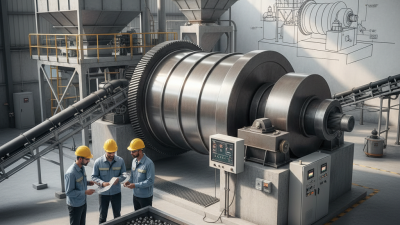
A Continuous Ball Mill is essential for grinding materials in various industries. Understanding its Continuous Ball Mill Working Principle helps buyers make informed choices. This principle describes how the mill operates efficiently over extended periods.
The machine continuously feeds materials and collects milled product seamlessly. It ensures uniform particle size, essential for consistent quality. Buyers should learn about the design, efficiency, and capacity of different mills. Knowledge of the working principle allows them to assess performance and suitability for specific needs.
While the Continuous Ball Mill appears straightforward, it involves complex mechanisms. A lack of understanding may lead to miscalculations. Buyers should consider consulting experts or reviewing detailed guides. Taking the time to study the working principle can prevent regrettable choices. Awareness of these intricacies is key to successful investment and operation.
Overview of Continuous Ball Mill and Its Applications
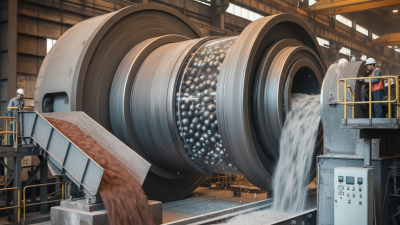
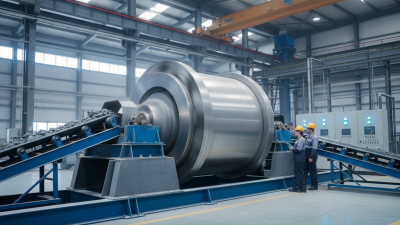
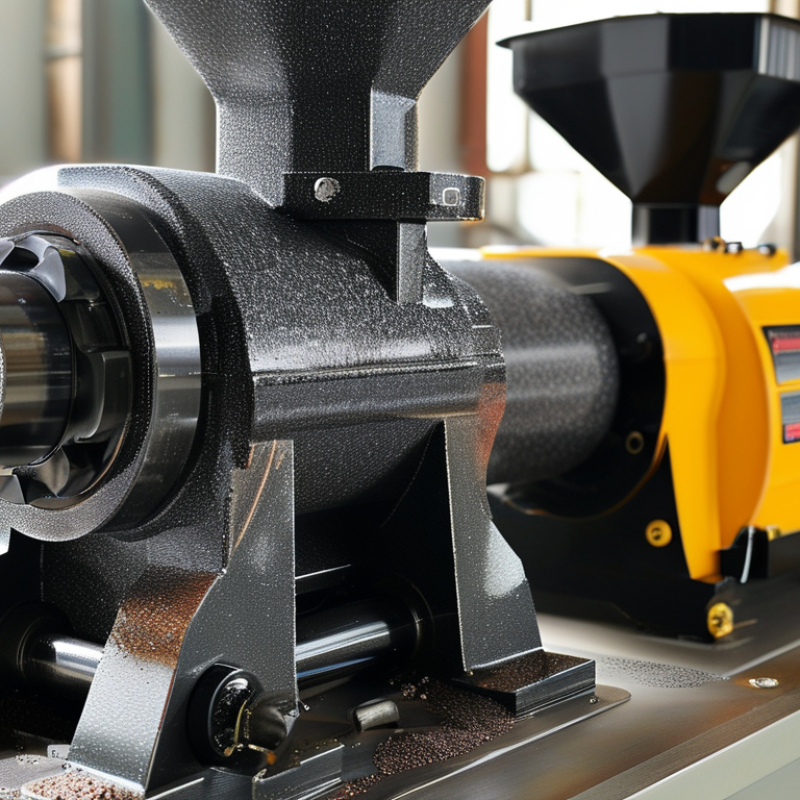
A continuous ball mill is a crucial equipment in various industries. It efficiently processes materials through consistent grinding. This device operates by feeding raw materials into one end. The materials travel through the mill, undergoing grinding and mixing along the way. The controlled flow ensures a steady output of finely ground materials.
The applications of a continuous ball mill are extensive. They span diverse fields such as mining, cement production, and chemical manufacturing. In mining, it helps in grinding ores, enhancing recovery rates. Cement producers utilize it for creating a homogenous mixture of raw materials. The ability to maintain continuous operation reduces downtime and increases productivity.
While these mills are highly effective, they are not without challenges. Overloading can lead to inefficient grinding. Regular maintenance is essential to avoid wear and tear on components. Additionally, operators need to be aware of the material characteristics. This knowledge is crucial for optimizing performance and achieving desired results. Balancing efficiency and material quality requires constant adjustment and attention.
Key Components of a Continuous Ball Mill Explained
A continuous ball mill operates on a straightforward principle: raw materials enter, are ground, and exit in a continuous flow. Understanding the key components of this machinery is crucial for potential buyers. The primary elements include the mill shell, grinding media, and discharge system. Each component significantly impacts the grinding efficiency and operational costs. Research indicates that optimal grinding media can increase productivity by 20% to 30%.
For buyers, consider the milling chamber's design. It should facilitate easy access for maintenance and inspection. This improves reliability and reduces downtime. Selecting the right grinding media is also essential. Choose materials and sizes that match your intended application. Some mills benefit from ceramic media, while others perform better with steel balls.
It's important to weigh the power requirements of the ball mill. A study from the International Journal of Mineral Processing reveals that up to 40% of energy can be wasted through inefficient designs. Evaluate various options meticulously. Neglecting these details may lead to operational inefficiencies. Keep in mind, the right continuous ball mill will streamline production while ensuring cost-effectiveness. Make informed choices to maximize your investment.
Working Principle of Continuous Ball Mills: A Step-by-Step Guide
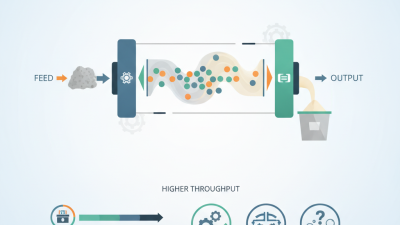
Continuous ball mills are essential in various industries for grinding materials. Understanding how they work can help buyers make informed choices. The process begins with the feed entering the mill. Raw materials are introduced through a feed chute. Once inside, the materials are subjected to tumbling and grinding.
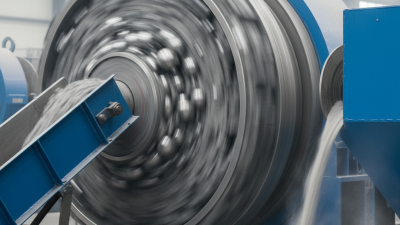
The grinding media, typically steel balls, facilitate the crushing action. As the balls move, they attrite the material, reducing it to the desired particle size. This continuous flow ensures that the product is consistently ground. However, it is vital to maintain a proper balance of feed rate and rotation speed. An imbalance can lead to inefficient grinding or even equipment damage.
Maintenance is also a critical aspect of operation. Regular checks on the wear of the grinding media are necessary. If ignored, broken balls can affect product quality. Buyers should consider these factors to avoid unexpected issues. Understanding the nuances of continuous ball mill operation can save costs and enhance productivity.
Factors to Consider When Buying a Continuous Ball Mill
When purchasing a continuous ball mill, several key factors should come to the forefront. The mill's capacity is crucial. Choose one that aligns with your production needs. A smaller mill might save costs but could limit output. Conversely, a larger mill increases capacity but may lead to operational inefficiencies. Understanding these dynamics is vital for optimal performance.
Material compatibility plays an important role as well. Different materials require specific types of mills. For example, harder materials necessitate more durable construction. Similarly, the choice of grinding media can greatly impact the milling process. Some reports suggest that the right media can enhance the energy efficiency by as much as 20%. Users frequently overlook this point.
Tip: Before making a final decision, consider the total cost of ownership. This includes maintenance, energy consumption, and operational efficiency. Additionally, test the mill with sample materials. This practice validates compatibility and performance.
Another factor is the machine's design. Modern continuous ball mills feature advanced technology for improved efficiency. However, complex systems may be challenging to maintain. Always weigh the benefits and drawbacks of the technology. Evaluate how it fits within your current operations and future needs. Investing in training for operators can mitigate potential issues.
Maintenance Tips for Maximizing Continuous Ball Mill Efficiency
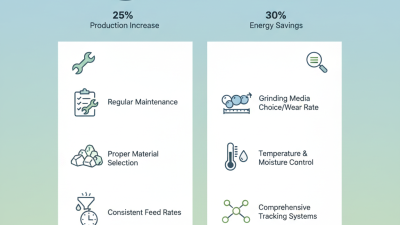
Maintaining a continuous ball mill requires careful attention to detail. Regular inspections can prevent costly breakdowns. Check bearings and lubrication systems frequently. Ensure that the alignment of the mill is correct to minimize wear. Poor alignment can lead to equipment failure over time.
Dust and debris accumulate in the mill and can interfere with its efficiency. Regularly clean the internal components to maintain smooth operations. A dirty mill can lead to reduced efficiency and increased energy costs. Monitor the temperature of the mill components. Overheating can signal a problem that needs immediate attention.
Operators should be trained properly to handle equipment. Improper handling can lead to accidents and inefficiencies. Document maintenance practices and review them periodically. This can help identify patterns over time. Reflecting on past maintenance issues improves future operations. Continuous improvement is essential for maximizing the mill's life and performance.
Continuous Ball Mill Efficiency Analysis