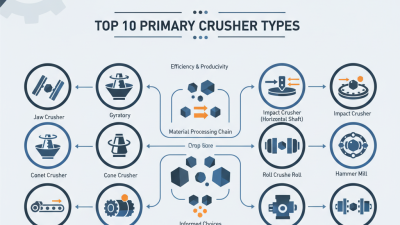
Selecting a reliable Primary Crusher supplier in China requires more than comparing prices and catalog photographs. Quarry owners need equipment that matches rock hardness, feed size, capacity, and site conditions. A jaw crusher may suit primary breaking at a small quarry, while a gyratory model may support larger, continuous operations. Details matter.
This guide examines leading Chinese manufacturers and suppliers through practical purchasing criteria. It considers crushing performance, steel quality, wear-part availability, automation, energy use, and maintenance access. Experienced buyers should request test data, production references, inspection records, and clear warranty terms. Factory visits can reveal welding quality, machining accuracy, assembly discipline, and spare-parts storage. A polished website proves little.
Reliable suppliers usually explain how their machines perform with granite, limestone, basalt, or recycled concrete. They should also provide drawings, foundation requirements, installation guidance, and operator training. Ask how quickly replacement jaw plates, liners, bearings, and belts can reach your site. That gap matters.
The strongest manufacturers combine engineering experience with documented quality controls and responsive after-sales service. However, no supplier is perfect for every project. A low purchase price may hide higher downtime or difficult maintenance. Buyers should compare total ownership cost, not only the quotation. This overview offers a practical starting point for evaluating China’s Primary Crusher manufacturers and suppliers with greater confidence, while leaving room for careful technical verification.
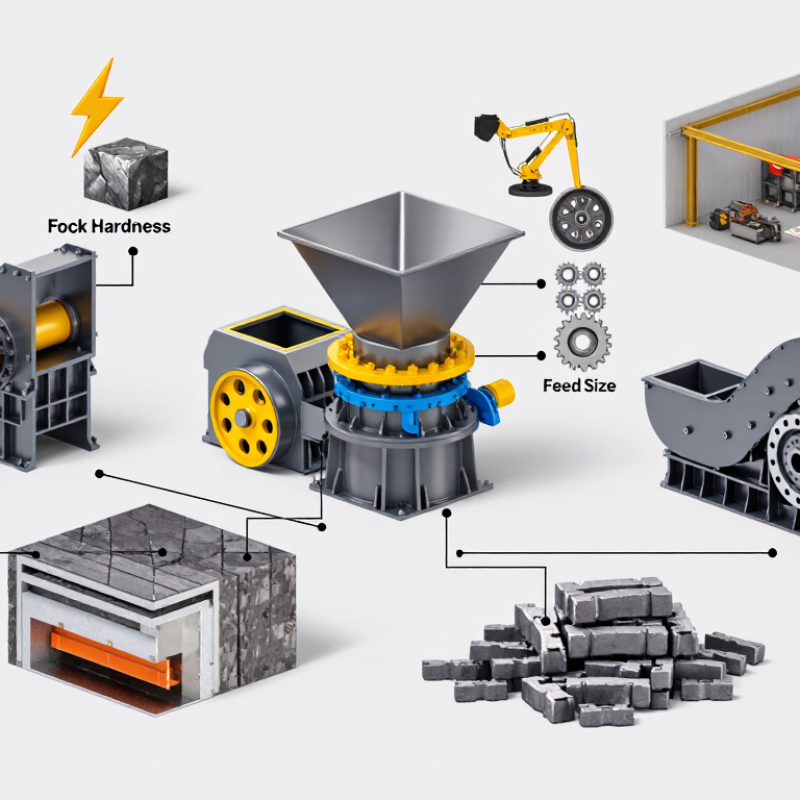
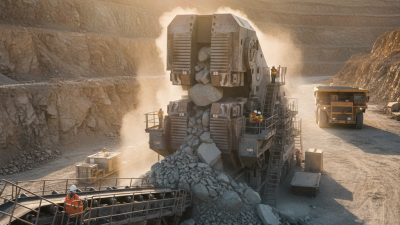
Primary crushers used in China vary with rock strength, feed size, moisture, and required output. Jaw crushers remain common in stone quarries, metal mines, and construction aggregate plants. Their fixed and moving plates handle large run-of-mine material, often above 600 millimeters. They are relatively simple to maintain. However, blocked discharge openings can create costly downtime.
Gyratory crushers suit large mines with steady, high-volume production. Their crushing chamber accepts continuous feed and reduces pressure peaks during operation. These machines need substantial foundations, accurate installation, and reliable lubrication. They are less practical for small sites. A specification may look excellent on paper, yet the foundation can still be inadequate.
Impact and hammer crushers are also used as primary equipment, especially for limestone, coal, and other softer materials. Impact models can produce a more cubical shape, which benefits concrete aggregate. Hammer crushers offer strong reduction in one stage, but excessive moisture may cause plugging. Roll crushers serve selected applications requiring controlled sizing and lower fines. Field engineers should check abrasive wear, electrical capacity, dust control, and actual feed gradation before choosing equipment. Laboratory results help, but they never replace site observations. A few assumptions can become expensive.
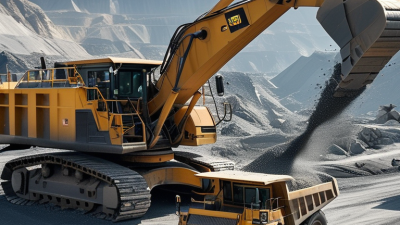
China’s primary crusher manufacturers focus on heavy-duty equipment for the first crushing stage. Their machines handle blasted rock, limestone, granite, and recycled aggregates. Experienced producers usually offer jaw, gyratory, and impact crusher options. Each design serves different feed sizes and production targets.
A strong manufacturer combines engineering knowledge with practical workshop experience. Thick steel frames, reinforced jaw plates, and sealed bearings support long service periods. Many factories use computer-aided design before cutting and welding components. Factory testing can check vibration, discharge size, and motor performance. However, drawings do not reveal every field problem. Dust, uneven feeding, and poor foundation work can reduce actual output. Reliable suppliers provide installation guidance, spare-part lists, maintenance schedules, and responsive technical support. Clear test records also improve buyer confidence.
Tips: Ask for feed-size limits, capacity data, material grades, and recent inspection records. Confirm whether the quoted output matches your rock type. Request photos of welding areas and wear-part dimensions. A low price may hide thinner components or limited service support. Leave room for adjustment. Real sites rarely behave exactly like test conditions. Choose manufacturers that explain limitations honestly, not only the machine’s advantages.
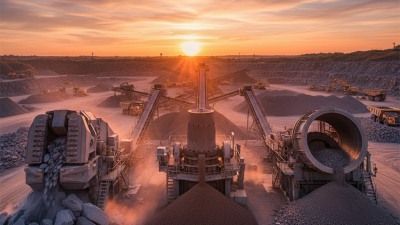
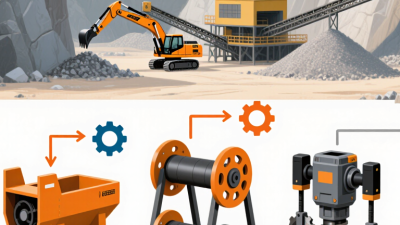
Primary crusher suppliers serve the first and most demanding stage of mineral processing. Their product ranges usually include jaw, gyratory, and impact crushers. Many also provide vibrating feeders, scalping screens, conveyors, mobile units, and replacement wear parts.
The USGS Mineral Commodity Summaries 2024 estimated United States crushed stone production at about 1.5 billion metric tons in 2023. Sand and gravel production reached roughly 960 million metric tons. These figures show why suppliers must offer different capacities, feed openings, and discharge settings. A quarry producing large limestone blocks may need a high-throughput gyratory crusher. A smaller contractor could prefer a track-mounted jaw unit.
Configuration matters.
Reliable suppliers normally support laboratory testing, site surveys, commissioning, and operator training. Their technical teams should examine rock hardness, abrasiveness, moisture, feed size, and expected product grading. The wrong chamber design can increase recirculation and wear. That mistake is expensive.
The IEA’s Global Critical Minerals Outlook 2024 reported continued growth in mineral demand linked to electrification. More processing projects may therefore require compact and adaptable primary crushing systems. Suppliers with modular equipment ranges can respond faster to changing deposits. However, published capacity figures can be optimistic. Actual output depends on material shape, maintenance intervals, and feeding discipline. Buyers should request test results from comparable sites, not rely only on catalogue numbers. That is where supplier claims deserve careful review.
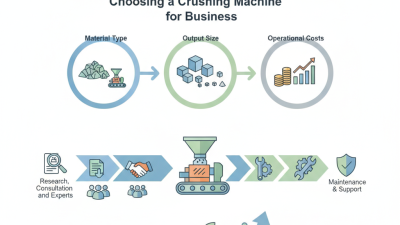
Evaluating a Chinese primary crusher manufacturer requires more than comparing prices. Check the company’s production history, engineering team, and experience with hard, abrasive feed materials. Ask for technical drawings, material certificates, weld inspection records, and recent test results. A reliable supplier should explain feed size, output requirements, power demand, and expected liner life clearly.
Inspect the crusher design in practical detail. Review the feed opening, crushing chamber, discharge setting, frame strength, lubrication system, and safety controls. Request a video or visit the workshop when possible. Confirm whether the supplier performs load testing before shipment. Customer references from similar mines or quarry sites are useful, but they should be independently verified. Photos alone are weak evidence.
After-sales support often separates a suitable supplier from a risky purchase. Check spare-parts availability, response times, installation guidance, warranty terms, and service coverage in your region. Require a detailed contract with measurable performance requirements. Do not accept vague promises about capacity. Actual output can change with rock hardness, moisture, feeding methods, and operator skill. No checklist is perfect. I would still allow room for doubt, because polished documents cannot replace a real equipment inspection. A low quotation may also hide thinner steel, limited testing, or expensive replacement parts.
China Top Primary Crusher Manufacturers and Suppliers
Purchasing a primary crusher in China requires more than comparing quotations. A 2024 USGS report estimated US crushed stone output at about 1.9 billion metric tons in 2023. This demand highlights the importance of stable throughput, not only a low purchase price. Ask suppliers for feed-size limits, closed-side settings, liner material, motor efficiency, and verified capacity under similar rock conditions.
Request a factory video inspection or an independent pre-shipment inspection. Check weld quality, bearing temperature records, spare-parts lists, and test-run results. According to Grand View Research, Asia Pacific remains a major growth region for crushing and screening equipment. Local technical support can therefore reduce downtime, especially when replacement parts must cross borders. Confirm packaging, delivery terms, installation scope, and warranty exclusions in writing.
After-sales support deserves equal attention. A practical contract should specify remote response times, technician availability, recommended inventory, and training for operators. Keep jaw plates, bearings, belts, and fasteners on site. Small parts can stop a large plant. Ask whether manuals include clear maintenance intervals and troubleshooting diagrams. ISO 9001 certification may indicate process control, but it does not guarantee field performance. I have seen buyers overlook this difference. Obtain customer references from comparable quarries, and verify their actual operating hours. A cheaper machine may become expensive when technical communication is slow or maintenance advice remains vague.
This chart presents indicative capacity ranges commonly associated with primary jaw, gyratory, and impact crushers. Actual output depends on feed size, material hardness, moisture, closed-side setting, liner condition, and plant configuration.
When comparing Chinese suppliers, purchasers should verify test results, equipment specifications, spare-parts availability, installation support, warranty terms, response time, and technician training. The ranges are general industry references rather than company-specific performance claims.