Top Primary Crusher Suppliers for Global Procurement Needs?
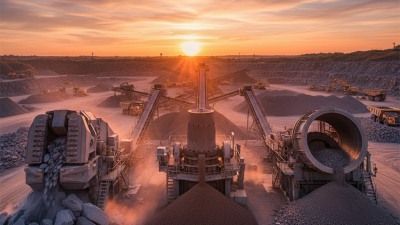
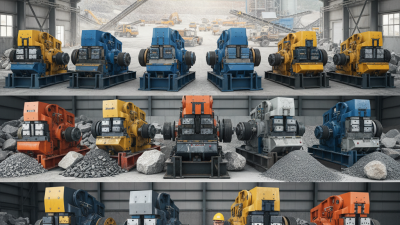
The global market for primary crushers plays a vital role in various industries, including mining and construction. According to a recent industry report, the primary crusher segment is expected to witness steady growth, driven by an increasing demand for efficient mineral processing. Companies are actively seeking reliable primary crusher suppliers to fulfill their procurement needs.
The need for durable and effective primary crushers cannot be overstated. These machines must handle tough materials while ensuring optimal performance and longevity. However, choosing the right supplier is challenging. A significant number of suppliers offer various models, but not all meet industry standards or customer expectations. Quality assurance and after-sales support are critical factors that often need more attention.
Moreover, the evolving technology in crushing equipment poses challenges for manufacturers and operators. Suppliers must adapt to new advancements while maintaining reliability. Misalignments between customer requirements and available products can lead to operational inefficiencies. Therefore, companies must be diligent in their search for trustworthy primary crusher suppliers, balancing innovation with proven reliability.
Overview of Primary Crushers in the Mining and Construction Industry
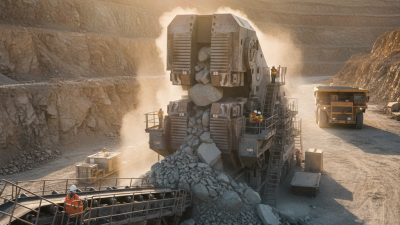
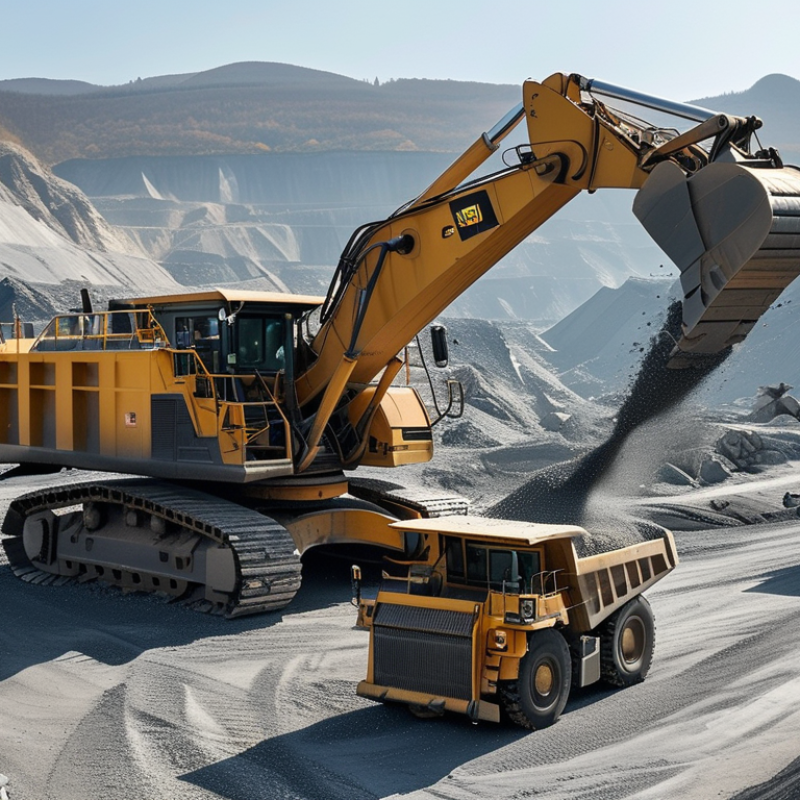
In the mining and construction industry, primary crushers play a crucial role. They are essential for breaking large rocks into smaller, manageable pieces. According to the Mining Equipment Market Analysis report, the global market for primary crushers is expected to grow at a CAGR of 5.3% from 2023 to 2030. This growth highlights their increasing importance in various projects.
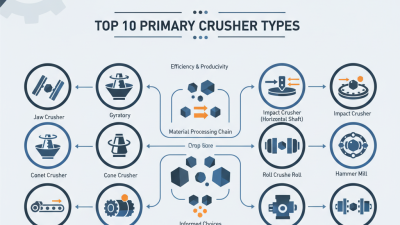
Primary crushers, such as jaw crushers and gyratory crushers, are often the first equipment used in the processing plant. They are designed to handle tough materials with ease. These machines not only enhance productivity but also improve safety. However, maintenance can be challenging. Regular check-ups are needed to avoid costly downtimes.
Tip: Consider investing in training programs for operators. Well-trained staff can reduce mistakes and enhance overall safety. Investing in quality maintenance can also prolong crusher life.
Despite advancements, some challenges remain. The rising cost of raw materials impacts the affordability of primary crushers. Industry experts stress the importance of choosing reliable suppliers. This decision can significantly affect project costs and timelines. Always evaluate supplier profiles carefully to ensure you choose a trustworthy partner.
Top Primary Crusher Suppliers Overview
This chart represents an overview of sales volumes for various primary crusher suppliers in the mining and construction industry, providing insights into the market demand for crushers.
Criteria for Selecting Top Primary Crusher Suppliers Globally
When selecting primary crusher suppliers, several criteria become critical for effective global procurement. Experience in the industry is paramount. Suppliers with over a decade of experience often demonstrate superior product quality and reliability. According to a recent industry report, 75% of leading suppliers began operations more than 20 years ago, indicating that longevity often correlates with expertise. Evaluating a supplier’s track record and understanding their history can reveal much about their capabilities.
Product variety is another essential factor. A supplier that offers a diverse range of crushers can better meet specific project needs. The latest data suggests that companies prefer suppliers with a broad product portfolio, as 68% of procurement managers indicated flexibility is vital for their operations. Additionally, post-sale support and maintenance services should not be overlooked. A significant portion of respondents in supplier surveys pointed out that inadequate support can lead to long-term operational issues.
Cost-effectiveness is critical but must be balanced with quality. A lower price may indicate compromised efficiency. Industry experts recommend assessing total cost of ownership, which includes purchase price, maintenance, and operational efficiency over the product's lifespan. Reliable suppliers should provide transparent pricing structures to aid in decision-making.
Top Primary Crusher Suppliers for Global Procurement Needs
| Supplier Region |
Annual Production Capacity (tons) |
Lead Time (Weeks) |
Quality Certifications |
Customer Satisfaction Rating (%) |
| North America |
500,000 |
10 |
ISO 9001, CE |
95 |
| Europe |
420,000 |
12 |
ISO 14001 |
90 |
| Asia |
600,000 |
14 |
CE, OHSAS 18001 |
88 |
| South America |
300,000 |
16 |
ISO 9001 |
85 |
| Africa |
250,000 |
18 |
NOFCA |
80 |
Key Features and Innovations in Primary Crushing Technology
Innovations in primary crushing technology are critical for optimizing operations. This equipment is essential in various industries. Recent advancements focus on enhancing efficiency and reducing energy consumption. Many machines now feature integrated automation systems. This allows for real-time monitoring and adjustments during operation.
One notable trend is the use of advanced materials. These materials improve durability and reduce maintenance needs. Innovations like programmable interfaces and remote controls are gaining traction. They provide operators with ease of use and precision handling. Reducing downtime is vital for productivity.
**Tip:** Evaluate the material compositions of crushers. Choosing the right material can extend machine life and reduce operational costs.
Another area of development involves environmental considerations. Technologies aimed at minimizing dust and noise pollution are becoming more common. This shift reflects a growing commitment to sustainability. Operators must consider these factors when selecting equipment.
**Tip:** Regularly assess your crushing process. Identifying inefficiencies can lead to valuable improvements in your system.
Overall, staying updated on these innovations is crucial for industry players. They can enhance not only efficiency but also profitability in the long run.
Leading Global Suppliers of Primary Crushers and Their Offerings
When considering primary crushers, it’s vital to explore the leading global suppliers and their product offerings. Primary crushers are essential in the mining and aggregate industries. These machines handle large materials and reduce them to manageable sizes. According to a recent market analysis, the primary crusher market is expected to grow by over 5% annually, indicating a robust demand.
Top suppliers provide a variety of options, catering to different sectors. They often offer models suited for various materials, including hard and abrasive rocks. Advances in technology drive improvements in energy efficiency and decrease operational costs. However, not all suppliers deliver equal performance. Quality control and service access can vary significantly, making due diligence necessary.
Environmental considerations are becoming increasingly relevant. New regulations push manufacturers to innovate more sustainable solutions. Suppliers face challenges in balancing efficiency with eco-friendly practices. Close monitoring of industry standards and customer feedback is essential. These suppliers continually assess their offerings to remain competitive and sustainable.
Market Trends and Future Outlook for Primary Crusher Procurement
The primary crusher market is evolving. Companies are emphasizing efficiency and sustainability. This shift is driven by global demands for cost-effective mining solutions. Increasingly, firms seek equipment that minimizes energy consumption. The focus is also on durability, reducing maintenance costs.
Data reveals a rising interest in automated solutions. Automation enhances productivity, yet it raises concerns about workforce impacts. As technology advances, companies must retrain staff to adapt. Ensuring a balance between innovation and labor needs is crucial for success.
Environmental regulations are changing procurement strategies. Companies must consider eco-friendly options. This creates challenges in sourcing materials. Some suppliers struggle with compliance, while others thrive by embracing green technology. The road ahead requires flexibility and foresight. Adapting to these trends can be complex but remains essential for growth.