How to Choose the Best Crushing Machine for Your Business?
Choosing the right Crushing Machine can significantly impact your business's efficiency and profitability. With various types and models available, making a decision is not always straightforward. Each machine has unique features designed for specific materials and conditions. Understanding these characteristics is essential for success.
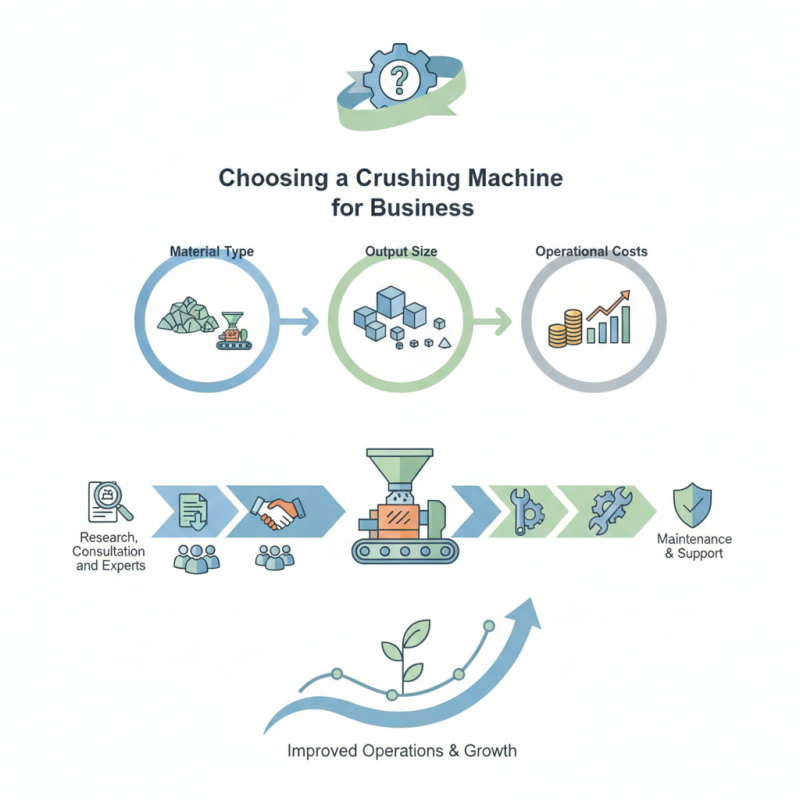
Business owners often face challenges when selecting a Crushing Machine. They must consider factors such as material type, desired output size, and operational costs. A wrong choice can lead to inefficiencies and increased expenses. Additionally, proper maintenance and support from manufacturers are critical aspects that require attention.
Investing time in research and consultation is advisable. Engaging with industry experts or peers can provide valuable insights. Relying solely on machinery specifications may not reflect real-world performance. Assessing user testimonials and reviews can reveal potential issues and advantages. Ultimately, a thoughtful approach to choosing a Crushing Machine can pave the way for improved operations and growth.
Understanding Your Business Requirements for Crushing Machines
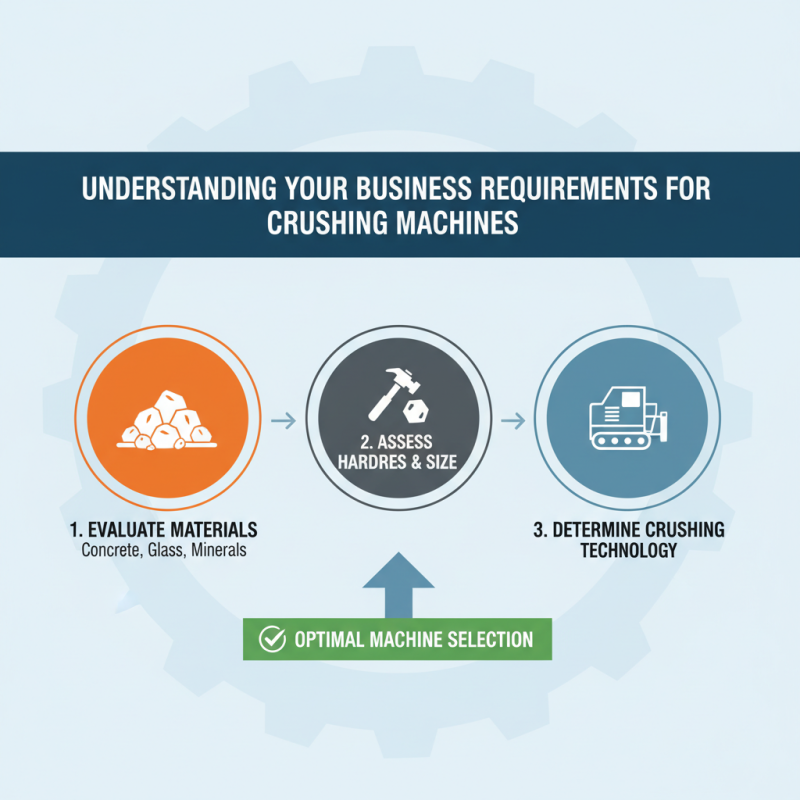
When choosing a crushing machine, understanding your specific business requirements is key. Start by evaluating the materials you need to process. Different machines handle various types of materials like concrete, glass, or minerals. Assess the hardness and size of your materials. This will determine the type of crushing technology best suited for your needs.
Consider your production volume. Will your operation be small-scale or large-scale? A high-throughput machine might be necessary for larger operations. However, if you’re just starting, a smaller, more flexible machine could minimize your initial investment. Reflect on your space requirements too. Some machines occupy significant floor space, affecting your overall layout.
You also need to think about maintenance and downtime. Crushing machines require regular upkeep to function effectively. Neglecting this aspect can lead to increased costs and unexpected delays. Ensure you have the right expertise or support available. Balancing efficiency, cost, and operational needs is challenging, yet crucial for sustainable growth. It's essential to continually reassess these factors as your business evolves.
Types of Crushing Machines Available in the Market
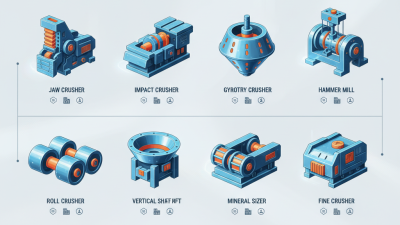
When selecting a crushing machine, understanding the types available is crucial. There are several machines designed for various materials and industries. Jaw crushers are robust and can handle large pieces of material. They are perfect for hard rock and gravel. These machines crush with a powerful downward motion, ensuring consistent size reduction.
Another popular type is the impact crusher. This machine is suitable for softer materials and works by utilizing high speeds to crush items. The impact crusher is often used in recycling operations and can handle mixed materials efficiently. However, they may require more maintenance due to wear and tear.
For finer crushing needs, cone crushers are a great choice. They provide a smooth finish and are effective in processing smaller materials. While they are efficient, operators should be mindful of potential clogging issues. Understanding the pros and cons of each type of machine is vital for making an informed decision. Always consider the specific requirements of your business when selecting the right crushing machine.
How to Choose the Best Crushing Machine for Your Business? - Types of Crushing Machines Available in the Market
| Type of Crushing Machine |
Primary Use |
Material Processed |
Capacity (Tons/Hour) |
Typical Applications |
| Jaw Crusher |
Primary Crushing |
Hard Rock, Aggregates |
50-300 |
Mining, Construction |
| Impact Crusher |
Secondary Crushing |
Soft to Medium Hard Materials |
30-400 |
Recycling, Aggregate Production |
| Cone Crusher |
Secondary & Tertiary Crushing |
Hard Minerals |
20-600 |
Mining, Metal Ore Processing |
| Roll Crusher |
Fine Crushing |
Coal, Clay, Salt |
10-50 |
Chemical, Food Industry |
| Hammer Mill |
Coarse and Fine Grinding |
Organic Material, Feed |
5-100 |
Agriculture, Waste Processing |
Factors Influencing the Selection of a Crushing Machine
Choosing the right crushing machine is crucial for business success. Several factors can influence this decision, and understanding them is key. Industry reports suggest that efficiency and output capacity should be top priorities. For example, a crushing machine with a higher throughput can significantly boost productivity.
Another factor is the raw materials being processed. Harder materials require sturdier machines. A study indicates that machines should ideally handle a range of 50 to 200 tph for aggregate operations. Compatibility with existing systems also matters, as mismatch can lead to costly downtimes.
Maintenance requirements and operational costs cannot be overlooked. Machines needing frequent repairs will impact profitability. A reliance on complex technology may also introduce risks. Operators must consider user experience, as inadequate training can lead to inefficient use and machine failures. Furthermore, seeking insights from industry experts can provide valuable perspectives on selecting the best technology for specific needs.
Evaluating the Performance and Efficiency of Crushing Equipment
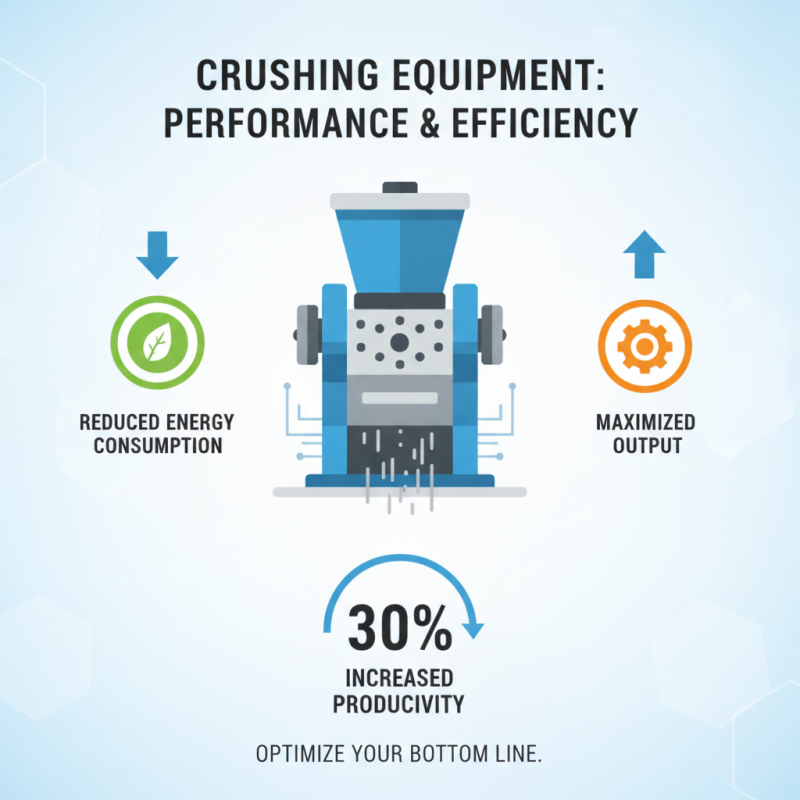
When evaluating crushing equipment, performance and efficiency are critical factors. According to industry reports, an optimal crushing machine reduces energy consumption while maximizing output. A well-optimized crusher can increase productivity by up to 30%, significantly impacting your bottom line.
Tips for evaluating equipment: Look for machines with adjustable settings. This flexibility allows you to adjust the size of the output material. Also, consider the maintenance requirements of each machine. Regular maintenance can prevent costly downtime. Reliable machinery should have a clear maintenance schedule.
Efficiency also depends on the type of materials being processed. For instance, softer materials may require less power compared to harder ones. Make sure to analyze the feed material and the desired output. These factors play a crucial role in determining the right crushing machine for your operation. Remember, not every machine excels in every application. Take time to research various models and their specific efficiencies for your materials.
Cost Considerations and Budgeting for Crushing Machines
When considering the cost of crushing machines, several key factors come into play. Initial purchase prices vary widely, depending on the size and capability of the machine. Smaller machines may seem cheaper, but they often lack the efficiency and durability needed for heavy use. Carefully evaluate your business requirements to avoid overspending on unnecessary features.
Maintenance costs are another crucial aspect. Regular servicing is essential for optimal performance. These expenses can add up over time. It's wise to research potential maintenance needs when selecting a machine. Additionally, factor in the availability of parts. If a machine requires rare components, repair costs could escalate quickly.
Think about financing options as well. Leasing may provide a lower upfront cost compared to buying. However, ownership brings long-term benefits. Weigh the pros and cons of each approach carefully. Calculate all costs over the machine's expected lifespan. This can reveal hidden expenses that might affect your budget. Transparency in these calculations is key to making an informed decision.
Cost Comparison of Crushing Machines