Why Choose Fine Cone Crusher for Your Mining Needs?
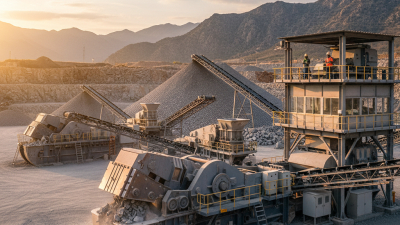
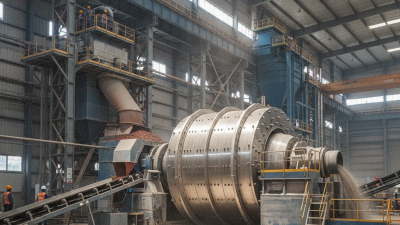
In the ever-evolving mining industry, selecting the right machinery is crucial. The Fine Cone Crusher stands out as a reliable option. Its advanced design ensures efficient and precise crushing of materials. Understanding its capabilities can significantly impact operations.
A Fine Cone Crusher provides unique advantages. Its ability to produce uniform particle sizes enhances downstream processes. This can lead to better quality in final products. Additionally, its energy efficiency translates into cost savings. However, not all models are created equal, necessitating thorough research and comparison.
Choosing the Fine Cone Crusher requires careful consideration. Factors like capacity, durability, and maintenance should guide your decision. Reflecting on your specific mining needs is essential. The right choice can boost productivity and profitability. Missing this could result in operational challenges. Being informed is the key to success.
Advantages of Fine Cone Crushers in Mining Operations
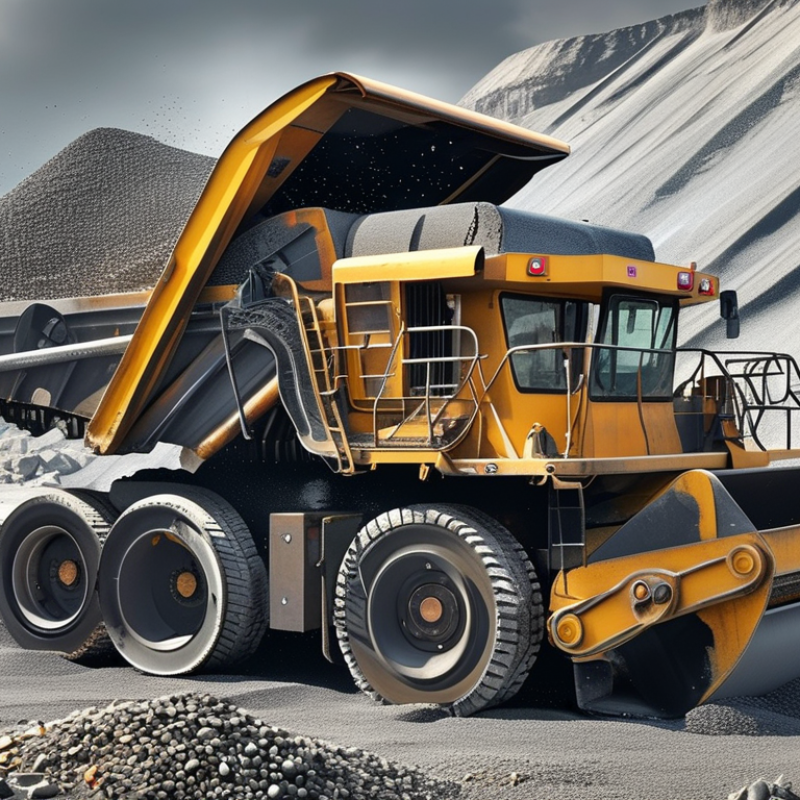
Fine cone crushers are essential in modern mining operations. Their design allows for efficient reduction of materials, resulting in superior particle size distribution. According to industry reports, these crushers can achieve a reduction ratio of up to 8:1, which significantly enhances processing efficiency. With a focus on fine aggregates, they provide higher quality outputs, crucial in construction and various industrial applications.
One of the key advantages of fine cone crushers is their adaptability. They work effectively with diverse materials, ranging from hard rocks to softer minerals. This versatility makes them valuable in various mining contexts. However, operators must regularly maintain the equipment to avoid performance drops. A study indicated that neglecting maintenance can lead to a 30% decrease in productivity over time.
Tip: Regular inspections of wear parts can prevent unexpected downtime. Always prioritize maintenance to ensure optimal performance and longevity of the equipment.
Furthermore, fine cone crushers are energy-efficient. They often consume less energy than traditional crushers, leading to reduced operational costs. This aligns with industry trends toward sustainability and cost-effectiveness. However, it’s important to analyze specific operational needs before selecting equipment. Balancing fine crushing with other processes can be challenging but crucial for maximizing output.
How Fine Cone Crushers Enhance Material Reduction Efficiency
Fine cone crushers are a key player in the mining industry. Their design ensures efficient material reduction. This means smaller rocks for easier processing. In many operations, efficient material handling is crucial for productivity. Fine cone crushers achieve this by forming smaller grains. When the material is well-reduced, it improves the overall workflow.
The technology behind fine cone crushers brings numerous advantages. They have adjustable settings that cater to various material types. This flexibility allows for tailored processing, enhancing efficiency in different scenarios. Additionally, fine cone crushers typically run cooler than other crushers. This can lead to less wear and tear, extending the life of the equipment.
However, operating a fine cone crusher is not without challenges. Regular maintenance is essential to ensure optimal performance. Operators must be vigilant about wear parts and lubrication. Ignoring these can lead to efficiency loss. Furthermore, skillful operators are needed to manage their complex settings. They must balance between reduction ratios and throughput. This requires ongoing training and attention, which can be a time investment.
Key Features of Fine Cone Crushers for Optimal Performance
Fine cone crushers are pivotal in mining operations due to their unique design and features. They excel in secondary and tertiary crushing tasks, ensuring optimal size reduction. One key feature is their ability to produce a fine, high-quality output. This results in reduced waste and improved efficiency. Their precision in sizing makes them a preferable option in many mining scenarios.
Another important aspect of fine cone crushers is their reliability. Designed to handle various materials, they withstand harsh conditions commonly found in mining sites. With a robust structure and engineering excellence, these machines often require minimal maintenance. However, some users report unexpected downtime due to minor mechanical issues. Regular checks and proper training can help mitigate this risk.
Operating a fine cone crusher requires expertise. Knowledge of the machine's workings is essential for optimal performance. Adjusting settings for different materials can be tricky. Some operators might find themselves relying on intuition rather than established protocols. Documenting experiences and maintaining logs can provide valuable insights for improving efficiency.
Performance Comparison of Fine Cone Crushers
Considerations for Choosing the Right Fine Cone Crusher
When selecting a fine cone crusher, key considerations come into play. The crusher's capacity and size are critical factors. According to the U.S. Geological Survey, crushed stone production is projected to reach 1.6 billion tons by 2026. A properly sized fine cone crusher can enhance productivity significantly. Look for models that match your production needs.
Material characteristics also matter. The hardness and abrasiveness impact wear rates and operational efficiency. A study by Mining Magazine highlighted that the right crusher could reduce operational costs by up to 30%. Understanding the material properties is essential. This ensures that the chosen equipment can handle the demands of your specific operations.
Additionally, maintenance and support should not be overlooked. Regular upkeep prolongs equipment lifespan, thus affecting overall cost-effectiveness. A report from the International Journal of Mining Science points out that unplanned downtime can increase costs by 20-30%. Assessing the availability of spare parts and maintenance services can be vital. A choice made in haste may lead to regrettable outcomes; proper analysis can save time and resources down the line.
Comparative Analysis: Fine Cone Crushers vs. Other Crushing Equipment
When choosing a fine cone crusher, a comparative analysis reveals its advantages over other crushing equipment. Fine cone crushers excel in providing a more controlled output size, which is crucial for many mining operations. Their design allows for efficient material reduction, ensuring that particles meet specific size requirements. This precision is often missing in alternative crushers, leading to suboptimal processing and potential waste.
Fine cone crushers also offer reduced wear and tear on components. Their crushing action is gentler, extending the life of the equipment. In contrast, other types may generate excessive heat and can even break down more frequently. This factor alone can lead to increased maintenance costs and downtime. Mining operations must consider lasting performance over quick, inefficient results.
Tips for efficient use of fine cone crushers include regular monitoring of wear components. Check the settings frequently to maintain optimal output. Always ensure that feed materials are appropriately sized to avoid unnecessary strain on the machine. Avoid overloading, as it can compromise performance and longevity. These proactive measures can lead to better outcomes and ultimately improve mining productivity.