Understanding Crushing Machines for Global Procurement Needs?
In the competitive world of industry procurement, understanding crushing machines is crucial. Experts highlight their role in various sectors, from mining to recycling. John Smith, a renowned industry specialist, once said, “Crushing machines are the heartbeat of material processing.” This emphasizes their importance.
Crushing machines are essential for reducing large materials into smaller, manageable sizes. Many companies rely on these machines to enhance efficiency. With increasing global demands, procurement needs have evolved. Selecting the right crushing machine requires careful consideration. Features, capacity, and durability are key factors to assess.
However, the market is not without challenges. Many buyers may overlook critical specifications. This can lead to poor purchasing decisions. A deeper understanding of crushing machines can mitigate these risks. Staying informed and exploring expert opinions will foster better procurement outcomes.
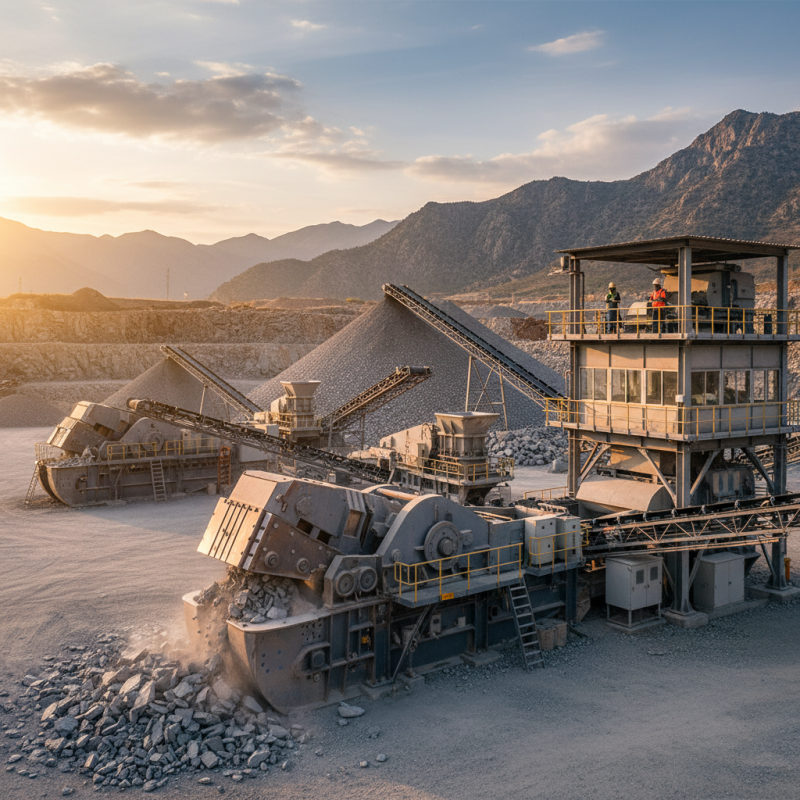
Understanding the Functionality of Crushing Machines in Various Industries
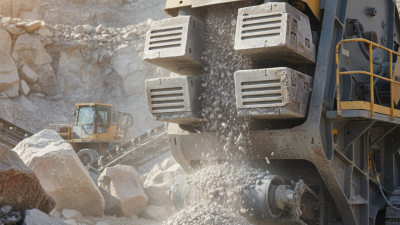
Crushing machines play a crucial role in various industries, including mining, construction, and recycling. Their primary function is to reduce the size of materials, making them manageable for further processing. According to a recent report by ResearchAndMarkets, the global crushing equipment market is expected to reach USD 4.6 billion by 2026, growing at a CAGR of 5.5%. This growth reflects the increasing demand for sustainable waste management and efficient production processes.
Different industries utilize crushing machines in distinct ways. In construction, they process concrete and asphalt, enabling the recycling of materials. In mining, these machines break down ore, leading to more efficient extraction of valuable minerals. Furthermore, the recycling sector relies heavily on crushing tools to handle varied materials like plastics and metals. However, the adaptability of these machines can lead to operational challenges, such as wear on components or inefficiencies in energy consumption.
Tip: Regular maintenance of crushing machines enhances their lifespan and optimizes performance. Frequent inspections help to identify potential issues before they escalate. Always ensure your machines are suitable for the specific materials being processed.
Understanding the specifics of crushing equipment can significantly impact operational efficiency. Each industry has unique requirements that dictate the choice of machine and its configuration. Analyzing these needs critically can lead to improved processes and reduced operational costs.
Tip: Invest time in training operators. Knowledgeable staff can spot inefficiencies and recommend necessary adjustments, maximizing machine productivity.
Understanding the Use of Crushing Machines Across Industries
This chart represents the volume of crushing machines utilized in various industries. It highlights the significant role these machines play in mining, construction, recycling, agriculture, and the chemical industry, showcasing their essential functionality across different sectors.
Types of Crushing Machines and Their Specific Applications
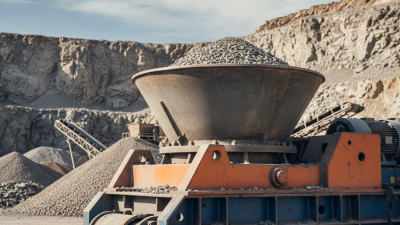
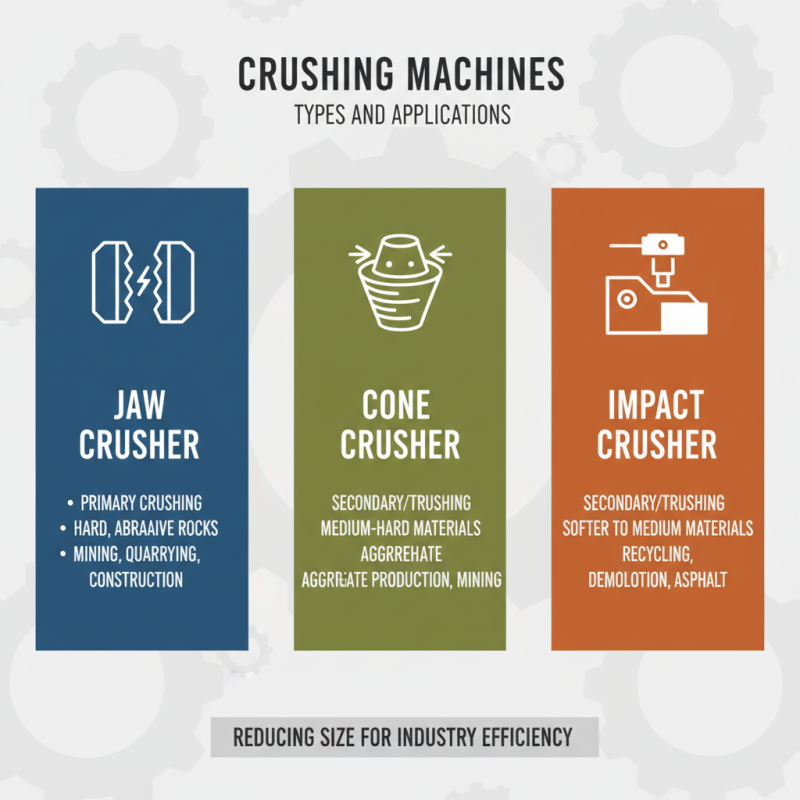
Crushing machines play a vital role in various industries. They are designed to reduce large rocks or materials into smaller, manageable sizes. Understanding the different types is essential for effective procurement. Common types include jaw crushers, cone crushers, and impact crushers. Each type serves specific applications in construction, mining, and recycling.
Jaw crushers are known for their high efficiency in breaking down large feed materials. They excel in primary crushing. Cone crushers, on the other hand, are ideal for secondary and tertiary crushing. They are more efficient in reducing materials to finer sizes. According to a recent industry report, the global demand for cone crushers is expected to rise by 5.5% annually between 2023 and 2030.
Tips: When considering a crushing machine, assess the material characteristics. The hardness, moisture content, and size of the feed material should influence your choice.
Impact crushers are suitable for softer materials. They provide high reduction ratios and are great for recycling tasks. However, they may wear out faster than other types. It’s crucial to consider the long-term maintenance costs associated with different machines. The right choice can lead to improved operational efficiency and cost savings. Always analyze your specific needs against the capabilities of each machine type.
Key Factors in Selecting Crushing Machines for Global Procurement
When considering crushing machines for global procurement, several key factors come into play. One crucial aspect is the machine's capacity. Understanding how much material needs processing can guide the choice. Assessing the energy efficiency of the equipment also plays a vital role. Machines that consume less power reduce operational costs, thus affecting the bottom line.
Durability and maintenance are often overlooked yet essential. A machine that requires frequent repairs can halt production, leading to losses. It's important to analyze the quality of materials used in manufacturing. This impacts longevity and reliability in various working conditions. Additionally, the availability of spare parts should not be ignored. If parts are scarce, downtime can become an issue, hindering operations.
Another factor to consider is the adaptability of the machine. Different projects may demand varying outputs. A versatile crushing machine can handle multiple materials effectively. However, not all machines offer this flexibility. Careful assessment of project needs versus machine capabilities is essential. There may not be a perfect match, requiring further evaluation. Always reflect on past procurement experiences to guide future decisions, as they can highlight potential pitfalls.
Maintenance and Operational Considerations for Crushing Equipment
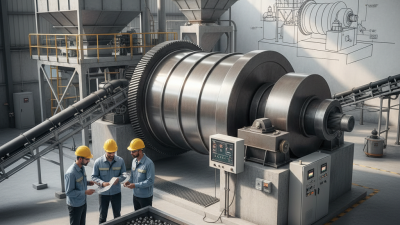
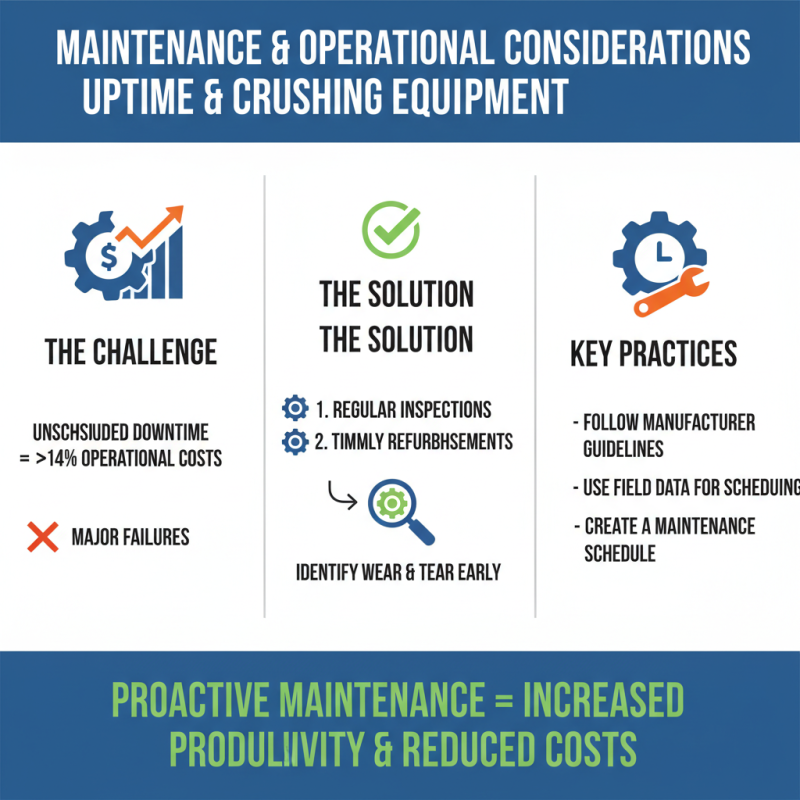
Effective maintenance is pivotal for crushing equipment, as it directly influences productivity and operational costs. According to industry reports, unscheduled downtimes can account for more than 14% of operational costs. Regular inspections and timely refinements are essential. These practices help to identify wear and tear before they escalate into major failures. Equipment operators should create a maintenance schedule based on manufacturer guidelines and field data.
While operational considerations involve training personnel on best practices, there’s often a gap in adherence. Proper training can reduce accidents and improve efficiency. A study by a leading engineering firm indicated that companies investing in operator training see a 30% increase in throughput. However, it’s crucial to review training methods regularly. Teams can sometimes fall into habits that may hinder performance.
Monitoring actual performance versus theoretical expectations is vital. Gathering data on equipment efficiency leads to insights needed for continuous improvement. For instance, a decline in output during peak hours could indicate operational inefficiencies. Such findings push for immediate reviews of equipment or operator strategies. Integrating a holistic review process is a strong step towards efficiency.
Emerging Trends and Innovations in Crushing Machinery Technology
Emerging trends in crushing machinery technology are reshaping the industry. New innovations focus on increased efficiency and sustainability. According to a 2022 market report, the global crushing equipment market is expected to grow by 4.5% annually. This growth is driven by the demand for improved material processing techniques.
The rise of automation and smart technology is a key trend. Many machines now feature advanced sensors and data analytics. These capabilities help optimize operations and reduce downtime. A 2023 study from a leading industry analyst highlights that companies adopting smart technologies see a 15% increase in productivity.
Tip: Consider exploring hybrid models that combine traditional crushing methods with new technology. These can offer flexibility and cost savings.
Recycling and eco-friendly operations are also gaining traction. Manufacturers are focused on producing machines that minimize energy consumption. In fact, reports show that energy-efficient models reduce operational costs by up to 20%.
Keep in mind that not all innovations yield immediate benefits. It's essential to assess the long-term value of new machinery investments.
Tip: Regular maintenance is critical for maximizing the lifespan of crushing equipment. An investment in upkeep can prevent costly breakdowns.
Understanding Crushing Machines for Global Procurement Needs - Emerging Trends and Innovations in Crushing Machinery Technology
| Type of Crushing Machine |
Primary Use |
Key Innovations |
Global Market Trends |
Maintenance Requirements |
| Jaw Crusher |
Mining & Construction |
Improved efficiency and lower energy consumption |
Increasing demand in developing nations |
Regular lubrication and wear part replacement |
| Cone Crusher |
Quarries & Recycling |
Automation capabilities and advanced monitoring systems |
Focus on sustainable practices |
Less frequent but more complex servicing |
| Impact Crusher |
Aggregate Production |
Reduced wear due to high-quality materials |
Growing use in smaller processing plants |
Routine inspections and part replacements |
| Gyratory Crusher |
Large Scale Mining |
Enhanced crushing chamber design |
Shift towards electric-powered models |
Regular adjustment and part upkeep |