China Top Cement Clinker Ball Mill for Global Buyers?
The global cement industry is vast, with a market size projected to reach $450 billion by 2025. Central to this industry is the Cement Clinker Ball Mill, essential for producing high-quality cement. These mills play a crucial role in grinding clinker, which is a key ingredient in cement production. Efficient mills help reduce energy consumption and operational costs.
In recent studies, the demand for Cement Clinker Ball Mills has increased significantly. Factors such as urbanization and global infrastructure projects drive this demand. For instance, Asia-Pacific is expected to dominate the market, accounting for over 45% of global share. However, not all mills are equal. Quality and efficiency vary widely among manufacturers, making it essential for buyers to do thorough research.
Investors should consider long-term performance when selecting a Cement Clinker Ball Mill. While many options exist, not every option yields optimal results. It's important to evaluate aspects like durability and maintenance needs. Industry reports suggest that improper selection can lead to higher costs and inefficient production. Therefore, caution and expertise are necessary to make informed choices.
Overview of China's Cement Clinker Ball Mill Industry
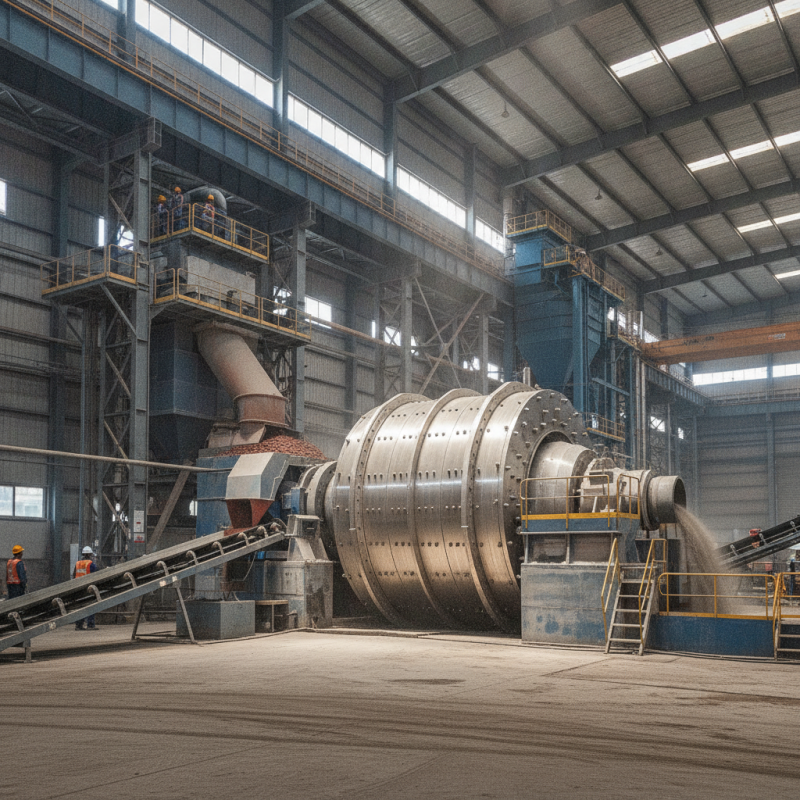
China's cement clinker ball mill industry stands as a pivotal component in the global construction landscape. These mills grind and prepare clinker, a crucial ingredient in cement production. The efficiency and technology in this sector have notably improved over recent years. High-efficiency mills now produce finer materials with lower energy consumption.
Interestingly, while China's production capacity is vast, challenges remain. Environmental regulations increasingly influence operational practices. Some mills still face issues with outdated technology. These factors create a dynamic market where innovation meets tradition. Buyers seeking advanced equipment should consider both performance and sustainability.
Many Chinese manufacturers prioritize R&D to enhance productivity. However, not all facilities adhere to these standards. A gap exists between leading and lagging producers. International buyers must conduct thorough evaluations to avoid pitfalls. They need reliable partners who can meet modern demands without compromising quality.
Key Features and Benefits of Top Cement Clinker Ball Mills
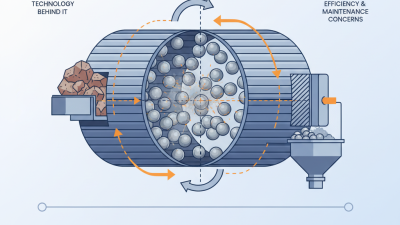
Cement clinker ball mills play a crucial role in the cement manufacturing process. These machines grind clinker, an essential component in cement production, into a fine powder. This process enhances the quality and strength of the final product. A top cement clinker ball mill is designed for efficiency, reliability, and longevity. The advanced design allows for reduced energy consumption during operation.
Another key feature is the ability to handle various materials. This flexibility enables manufacturers to produce different types of cement. Improved temperature control mechanisms can enhance performance, ensuring a consistent product. Additionally, some mills come equipped with smart technology, offering real-time monitoring and data analytics. This leads to better maintenance and optimization of the milling process.
While many cement producers benefit from these technologies, issues can arise. For instance, grinding efficiency may decline over time due to wear and tear. Regular assessment and maintenance are critical to sustain optimal performance. Addressing these challenges requires experienced professionals who understand the nuances of mill operations and maintenance best practices. Investing in training and skilled personnel can significantly impact overall effectiveness and product quality.
Global Market Trends for Cement Clinker Ball Mills
The global market for cement clinker ball mills is witnessing dynamic trends. As construction demands surge worldwide, the need for efficient grinding equipment grows. Cement clinker ball mills are essential for producing high-quality cement. Their efficiency often determines the overall production cost. A reliable mill can significantly reduce energy consumption.
Emerging economies are driving demand for these mills. Countries investing in infrastructure projects seek technologically advanced solutions. However, buyers should consider various factors. Equipment lifespan, maintenance costs, and energy efficiency are critical. Not all mills meet the same standards, making research essential.
Sustainability is becoming a focal point too. Manufacturers are exploring eco-friendly designs to minimize carbon footprints. The push for greener practices influences buyer choices. Customers should be aware of certifications and compliance with environmental regulations. This changing landscape offers both challenges and opportunities for global buyers in the cement industry.
China Top Cement Clinker Ball Mill for Global Buyers - Market Trends
| Category |
Specification |
Capacity (tons/hour) |
Price Range ($) |
Export Markets |
| Small Ball Mill |
Φ1.2m x 3.0m |
6-8 |
$25,000 - $30,000 |
Asia, Europe |
| Medium Ball Mill |
Φ2.4m x 6.0m |
10-15 |
$35,000 - $50,000 |
Africa, South America |
| Large Ball Mill |
Φ3.2m x 8.0m |
20-30 |
$70,000 - $100,000 |
Middle East, North America |
Comparative Analysis of China's Ball Mills with International Competitors
China's cement clinker ball mills have gained significant attention in the global market. A comparative analysis reveals essential strengths and weaknesses when matched against international competitors. Recent industry reports indicate that China's mills are often characterized by lower initial costs and higher production capacities. This makes them appealing for emerging markets. For instance, a study noted that Chinese mills can achieve output rates up to 30% higher than average global standards.
However, energy efficiency remains a significant concern. While Chinese mills excel in throughput, they often lag in energy consumption metrics. Reports show that some Asian competitors offer advanced technologies that reduce energy usage by around 15%. This is an area where Chinese manufacturers need to improve. The gap in energy efficiency can lead to higher operating costs, affecting long-term competitiveness.
Durability and repair capabilities also deserve attention. Chinese ball mills may face challenges in service life compared to European models. A survey indicated that nearly 25% of users reported more frequent maintenance issues with specific Chinese designs. Identifying these areas for improvement is crucial for sustaining growth. Addressing energy use and durability concerns could enhance China's standing in the competitive global landscape.
Comparative Analysis of Cement Clinker Ball Mills
Factors Influencing Buyer Decisions for Cement Clinker Ball Mills
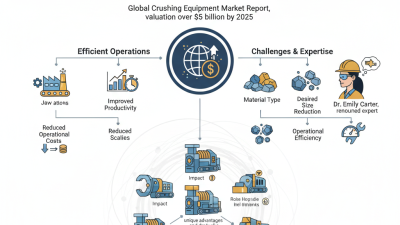
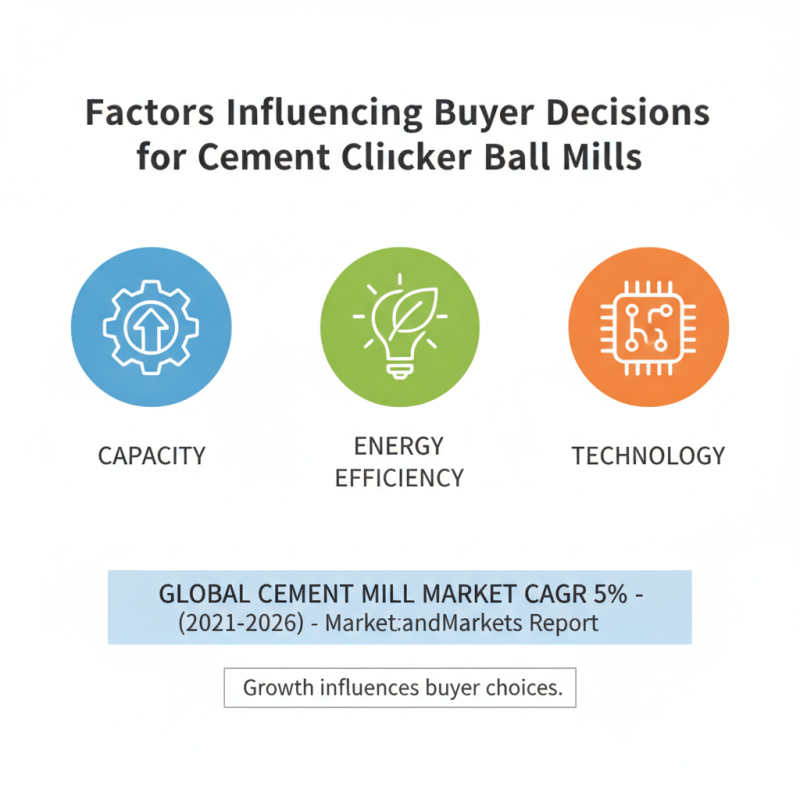
When considering the purchase of a cement clinker ball mill, several factors come into play. Buyers often evaluate the mill's capacity, energy efficiency, and technology. According to a report by MarketsandMarkets, the global cement mill market is expected to grow at a CAGR of 5% from 2021 to 2026. This growth can heavily influence buyer choices.
Investment cost is another critical aspect that affects buyer decisions. A comprehensive study by Technavio indicates that initial costs often deter companies from upgrading their mills. Many buyers weigh long-term benefits against initial expenses. Additionally, buyers will look for reliable suppliers who offer robust support and maintenance services. It’s vital to assess the supplier’s track record and industry experience.
Tips: Always ask for performance data from previous clients. Doing so can help you understand real-world efficiency. It's also wise to consider energy consumption in your selection process. Lower energy requirements can lead to significant savings over time. Remember to evaluate the total cost of ownership, not just upfront costs. While price is crucial, longevity and efficiency can ultimately provide better returns.