How to Choose the Best Continuous Ball Mill for Your Needs?
Choosing the right equipment is essential for efficient production. A Continuous Ball Mill is a vital tool for industries ranging from mining to ceramics. Understanding its features and functionality can be challenging.
When evaluating a Continuous Ball Mill, consider your specific needs. Think about production capacity, material compatibility, and maintenance requirements. Each aspect influences the effectiveness of the mill. The right choice will enhance performance and reduce downtime.
However, no single mill fits all scenarios. Some users struggle with selecting the right specifications. Misjudging capacity or material type can lead to inefficiencies. Reflecting on these factors will guide you to a better decision. Investing time in research is key to finding a suitable Continuous Ball Mill.
Understanding Continuous Ball Mills: An Overview
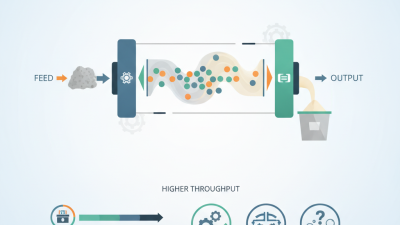
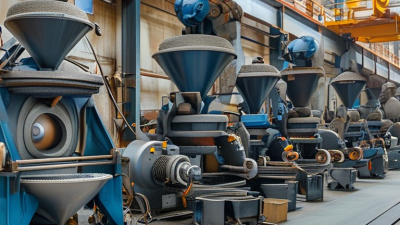
Continuous ball mills are crucial in various industries, particularly in mining and ceramics. These mills function by grinding materials over an extended period. They offer high productivity, and their design allows for efficient material flow and processing.
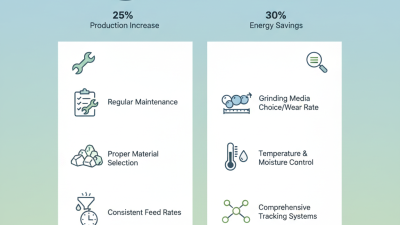
The capacity of continuous ball mills can vary dramatically based on size and configuration. According to industry reports, a typical continuous ball mill can yield between 5 to 150 tons of output per hour. This variability hinges on the material's hardness and desired fineness. Operating at a constant speed enhances output, but adjustments may prove necessary. In some cases, operators face challenges with wear and tear on grinding media. Regular maintenance is essential to ensure consistent performance and minimize downtime.
Furthermore, the choice of lining material impacts the mill's efficiency and longevity. Selecting the right material can enhance the grinding process, yet this choice often requires compromise. Decisions may be influenced by cost, availability, and desired performance. While there are established standards, finding an optimal balance between cost-effectiveness and output quality remains a common concern in the industry.
Key Factors to Consider When Selecting a Continuous Ball Mill
Choosing the right continuous ball mill can significantly impact production efficiency. Consider capacity requirements first. The mill’s throughput must match your operational goals. A report by the American Institute of Chemical Engineers suggests that mills can vary dramatically in output. Some may handle 1 ton per hour, while others can process up to 40 tons.
Another crucial factor is the material compatibility. Different materials may react uniquely within the mill. A chemical composition analysis can help in determining this compatibility. Avoiding material degradation is key. Studies show that mills that fail to consider this can lead to up to 20% product loss.
Energy efficiency is also vital. Look for mills designed with energy-saving features. Inefficient mills can increase operational costs significantly. Data indicates that using energy-efficient systems can reduce power consumption by 15% to 30%. Pay attention to reviews and technical specifications. Often, user feedback illuminates design flaws and strengths that data alone cannot fully explain. Ensure you gather insights from trusted engineering communities for deeper understanding.
Evaluating Size and Capacity Requirements for Your Application
When selecting a continuous ball mill, understanding size and capacity requirements is critical. Each application has unique material characteristics and desired output. A thorough assessment can prevent inefficient operations and wasted resources.
Begin by evaluating the volume of materials you plan to process. This includes understanding the bulk density of the material. Knowing both the required throughput and the duration of the milling process helps in determining the appropriate capacity. Always consider potential wastage as well. A mill that’s too small will lead to delays, while one that’s excessively large could have higher operational costs.
The physical size of the mill also matters. Ensure it fits in your workspace. Sometimes, a larger capacity mill can seem like a good investment, but it may require more space and energy. Reflect on maintenance demands as well. An optimal mill should balance size, capacity, and ease of maintenance. Regular maintenance is vital for efficiency. Adjusting your expectations based on these factors can help you find a mill that truly meets your needs.
How to Choose the Best Continuous Ball Mill for Your Needs? - Evaluating Size and Capacity Requirements for Your Application
| Mill Type |
Size (mm) |
Capacity (ton/h) |
Power (kW) |
Material Compatibility |
Application |
| Type A |
1000 |
2 |
55 |
Cement, Minerals |
Grinding |
| Type B |
1200 |
4 |
75 |
Metals, Ores |
Fine Grinding |
| Type C |
1500 |
6 |
110 |
Chemical, Food |
Mixing & Grinding |
| Type D |
2000 |
8 |
150 |
Glass, Ceramics |
Ultra Fine Grinding |
Material Compatibility and Its Impact on Mill Performance
When selecting a continuous ball mill, material compatibility is crucial. The materials you choose to process can affect the mill's performance. Hard materials may require a more robust mill construction. Conversely, softer materials may allow for a different design. Understanding these dynamics is essential for optimizing efficiency.
Different materials have varying grinding characteristics. For instance, ceramic materials may impose less wear on mill components compared to metallic ones. If the material is abrasive, it can lead to increased maintenance needs. This can affect the mill's longevity and operational costs as well. It's important to consider these factors during your selection process.
Keep in mind the mill's capacity as well. If the material is difficult to grind, this will impact throughput rates. You might find that achieving the desired particle size takes longer. Adjusting the mill's parameters can sometimes help, but knowing your materials is key. In some cases, trial and error may be unavoidable as you refine your process.
Budgeting and Cost Considerations in Ball Mill Selection
When selecting a continuous ball mill, budgeting and cost considerations play a critical role. Begin by determining your project’s budget. Evaluate not just the upfront costs but ongoing maintenance expenses. A lower initial price may lead to higher operational costs in the long run. Ensure your chosen mill provides a balance between efficiency and reliability while aligning with your financial plan.
Consider additional factors to refine your cost analysis. Transportation, installation, and potential downtime contribute to the total cost. Assess the potential yields from different mills. Introducing higher-quality raw materials can impact overall productivity and profits. Conducting a thorough cost-benefit analysis may reveal options that initially seem expensive but save money over time.
Tips for budgeting include researching different suppliers to find competitive pricing. Reach out for quotes and ask about hidden costs. Keep in mind that negotiation can often yield better deals. It's crucial to stay adaptable throughout the selection process. Understand your needs and adjust your budget accordingly, allowing for changes as you gather more information.