Top 10 Batch Ball Mill Manufacturers You Should Know?
In the world of industrial machinery, Batch Ball Mills play a crucial role in various manufacturing processes. These mills are designed for grinding materials in batches, making them versatile for different applications. The ability to produce finer materials efficiently is paramount for many industries. With numerous manufacturers available, selecting the right Batch Ball Mill can be a daunting task.
Understanding the top manufacturers can simplify this choice. Each company offers unique features, quality, and reliability. Some specialize in specific industries, while others provide innovative technology for better performance. Researching these manufacturers is essential for informed decision-making.
This introduction highlights the importance of Batch Ball Mills and the need to know the leading manufacturers. A well-chosen mill can significantly improve productivity and material quality. Exploring available options will lead to better outcomes in various applications. Remember, the right choice reflects on your operation's efficiency.
Overview of Batch Ball Mill: Definition and Applications
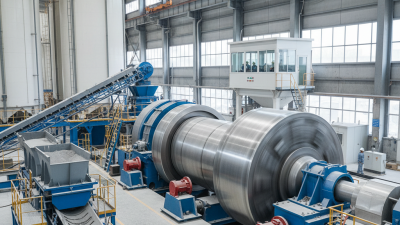
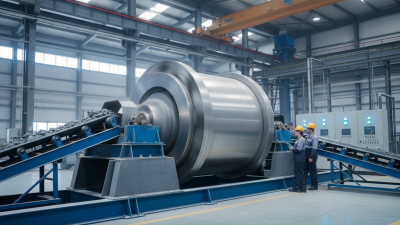
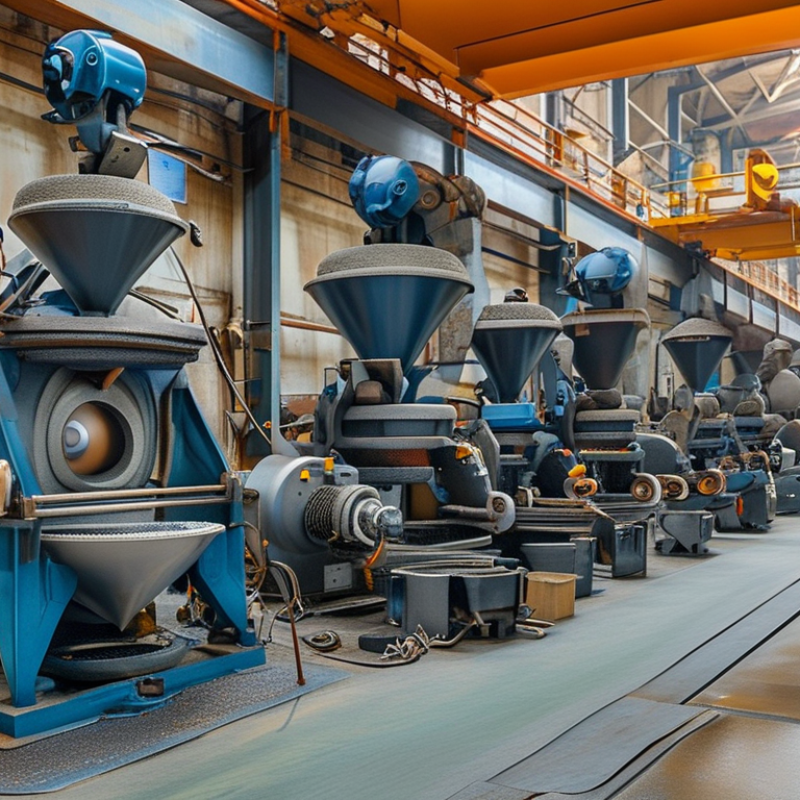
Batch ball mills are versatile equipment used in various industries for grinding materials. They are designed to process materials in batches, allowing greater control over the size reduction process. This flexibility makes them suitable for both small-scale and large-scale production.
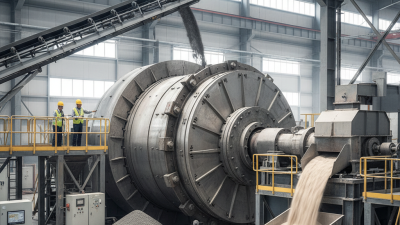
In a typical batch ball mill setup, materials are loaded into a rotating cylinder along with grinding media, usually steel balls. As the cylinder rotates, the impact and friction generated crush the materials. This method is effective for producing fine particles. However, one must consider factors like material hardness and desired particle size when designing a batch milling process.
While batch ball milling offers many advantages, there are challenges to address. One common issue is uneven wear of grinding media, which can affect performance. Regular maintenance and monitoring are crucial to ensure optimal efficiency. Understanding these nuances can significantly improve the process and outcome in various applications, such as ceramics, chemicals, and pharmaceuticals.
Key Features and Benefits of Batch Ball Mills in Industry
Batch ball mills play a significant role in various industries, including mining, ceramics, and pharmaceuticals. These mills provide an efficient means for grinding materials into fine powders. According to a report by the International Journal of Mineral Processing, the use of batch ball mills can enhance the grinding efficiency by up to 30%. This efficiency is crucial in achieving desired particle sizes, which can lead to improved product quality.
One key feature of batch ball mills is their versatility. They can handle different types of materials ranging from hard minerals to soft chemicals. Their ability to process small batches makes them ideal for research and development. A detailed industry study shows that the compact design of batch ball mills reduces floor space usage by up to 50%. However, operators must monitor wear and tear closely to ensure operational reliability over time.
Another benefit is the reduced energy consumption. Recent studies indicate that optimizing the charging process and maintaining a proper ball-to-material ratio can lower energy costs by almost 20%. Despite these advantages, some manufacturers face challenges in scaling up from batch to continuous production. Continuous improvement is essential to overcome these obstacles and enhance productivity.
Top 10 Batch Ball Mill Manufacturers - Key Features and Benefits
This chart illustrates key features of batch ball mills used in industry, including their capacity, energy efficiency, durability, cost, and maintenance frequency. These metrics are essential for evaluating performance and making informed purchasing decisions.
Top Manufacturers: Criteria for Selection and Evaluation
When selecting batch ball mill manufacturers, it is crucial to consider several key factors. Expertise in engineering and manufacturing is essential. Companies with solid track records demonstrate their capability. Look for manufacturers with extensive industry experience. A well-established reputation often indicates reliability.
Quality control processes are also important in evaluating manufacturers. Certification standards, such as ISO, ensure that products meet necessary specifications. It's vital to examine feedback from previous clients. Customer reviews can offer insights into product performance and service quality.
After identifying potential manufacturers, consider their technological capabilities. Advanced machinery and innovative design techniques enhance efficiency. Potential buyers should request case studies or examples of previous projects. This provides context for the manufacturer’s ability to meet specific needs. Continuous improvement and willingness to adapt are hallmarks of a good manufacturer. Keep in mind, not all claims may hold up under scrutiny. A thorough evaluation is necessary for informed decision-making.
Market Analysis: Global Batch Ball Mill Industry Trends and Growth
The global batch ball mill industry is witnessing significant growth. Recent market analyses highlight trends that display increasing demand across various sectors. Industries such as mining, pharmaceuticals, and ceramics are adopting batch ball mills for their efficiency in grinding materials. This trend is influenced by the need for precision and consistency in manufacturing processes.
Investments in advanced technologies are reshaping the market landscape. Manufacturers are exploring automation and smart solutions to improve production efficiency. However, challenges remain. Many manufacturers face difficulties in sourcing high-quality raw materials. Additionally, fluctuations in energy costs can impact overall production.
Sustainability is becoming a key focus. Many companies are looking for ways to minimize their carbon footprint. This shift towards eco-friendly practices may require adjustments in equipment and operations. As the industry evolves, staying informed about trends and innovations will be crucial for manufacturers aiming to maintain competitiveness.
Top 10 Batch Ball Mill Manufacturers
| Manufacturer |
Country |
Market Share (%) |
Year Established |
Annual Revenue (USD million) |
| Manufacturer A |
USA |
25 |
1990 |
150 |
| Manufacturer B |
Germany |
20 |
1985 |
130 |
| Manufacturer C |
Japan |
15 |
2000 |
100 |
| Manufacturer D |
China |
18 |
1995 |
110 |
| Manufacturer E |
India |
12 |
2010 |
80 |
| Manufacturer F |
Italy |
10 |
1980 |
70 |
| Manufacturer G |
Russia |
8 |
1975 |
60 |
| Manufacturer H |
Brazil |
7 |
2005 |
55 |
| Manufacturer I |
South Korea |
6 |
2012 |
50 |
| Manufacturer J |
France |
5 |
1998 |
40 |
Case Studies: Successful Implementations of Batch Ball Mills
Batch ball mills are vital in various industries. They excel in grinding materials for construction, ceramics, and minerals. Case studies reveal their effectiveness and efficiency in production processes. For instance, a major cement manufacturer increased its throughput by 30% using batch ball mills. This case illustrates the equipment's potential in enhancing productivity.
Performance data highlighted in industry reports show that batch ball mills efficiently achieve finer particle sizes. They can significantly reduce production time. However, some implementations faced challenges. One study noted inconsistent grinding results due to material variance. This inconsistency underlines the importance of a well-planned operation strategy.
Tips: Regular maintenance and calibration of batch ball mills can optimize their performance. Operators should monitor material properties closely. Investing in training can also enhance the skill set of the workforce, minimizing errors in operation. Batch ball mills may bring benefits, but continuous assessment and realignment to production goals are essential for success.