2026 Best Continuous Ball Mill Equipment for Efficient Production?
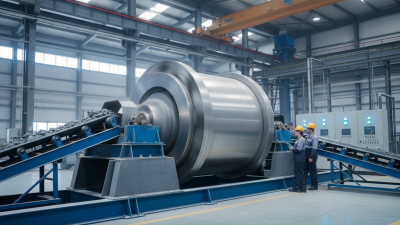
In the ever-evolving landscape of industrial manufacturing, the quest for efficiency remains paramount. The 2026 Best Continuous Ball Mill Equipment stands at the forefront of this endeavor. This equipment plays a vital role in various industries, from ceramics to cement production. With its ability to ensure consistent particle size and high output, the Continuous Ball Mill Equipment is essential.
As companies seek sustainable practices, the importance of reliable machinery cannot be overlooked. Inefficiencies can lead to increased costs and wasted resources. Thus, choosing the right Continuous Ball Mill Equipment is a crucial step. Potential buyers face numerous options, and selecting the best can be challenging.
It is important to weigh various factors, including durability, energy consumption, and maintenance needs. Not all equipment offers the same performance, and some may fall short of expectations. Continuous research and feedback from industry experts can guide decision-making. Adopting the latest technology ensures that operations remain competitive. This highlights the continuous evolution of manufacturing processes.
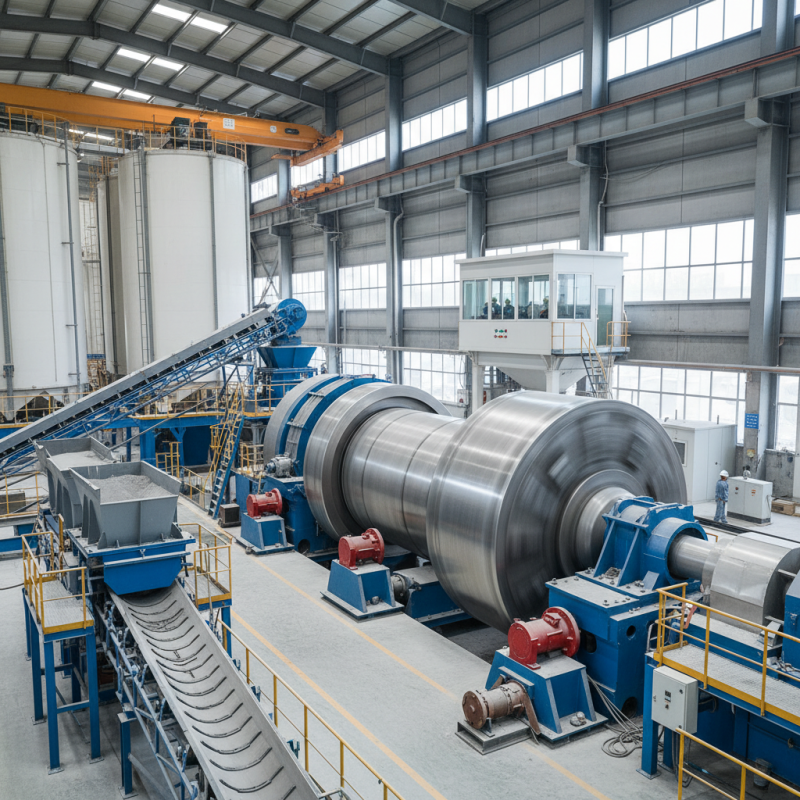
Overview of Continuous Ball Mill Technology and Its Applications
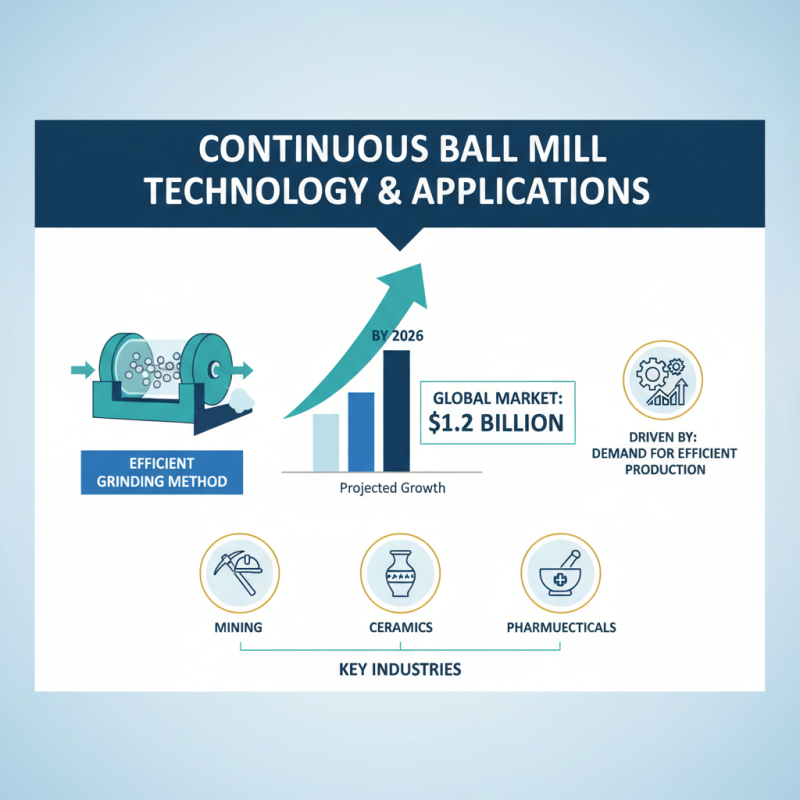
Continuous ball mills have gained significant traction in industries such as mining, ceramics, and pharmaceuticals. These mills offer an efficient method for grinding various materials. Recent reports indicate that the global market for continuous ball mills is projected to reach $1.2 billion by 2026. This growth reflects the rising demand for efficient production processes in manufacturing.
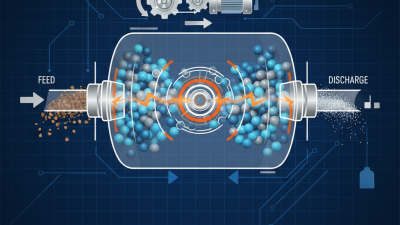
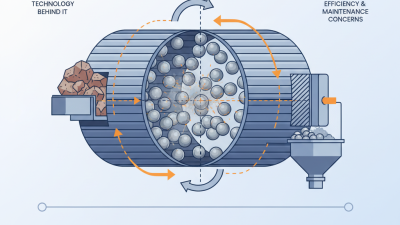
The technology behind continuous ball mills involves a streamlined design that allows for uninterrupted operation. Unlike batch mills, continuous mills permit the constant feeding of materials. This can lead to improved efficiency. A study from the International Journal of Engineering Technology stated that continuous milling can increase production rates by 30% compared to traditional methods. However, the initial setup and maintenance can be challenging. Proper calibration is crucial to achieving optimal performance.
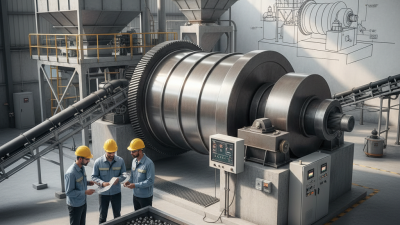
Applications of continuous ball mills are diverse. They are widely used for grinding minerals and other materials, which include ceramic powders and metal oxides. The versatility of these mills allows them to cater to various industries. However, achieving the desired particle size can sometimes be problematic. Operators must continuously monitor and adjust parameters for the best results. This highlights the need for skilled personnel to manage the complexities of the process effectively.
Key Features of the Best Continuous Ball Mill Equipment in 2026
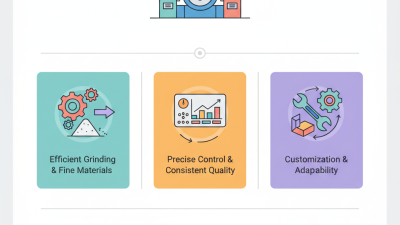
When considering the best continuous ball mill equipment in 2026, several key features stand out. One of the main attributes is energy efficiency. An efficient ball mill saves power and reduces operating costs significantly. Manufacturers are increasingly focusing on advanced motors and drive systems that optimize energy consumption.
Durability is another crucial aspect. High-quality materials can withstand wear and tear, extending the equipment's lifespan. Many mills now utilize wear-resistant liners and grinding media. This design enhances performance while minimizing maintenance needs.
Tips: Regular maintenance can save costs. Schedule inspections to identify wear before it escalates.
Control systems are also evolving. Modern ball mills come with smart technology for better monitoring and automation. These systems provide real-time data, enabling quick adjustments for optimal productivity. However, integrating such technologies requires training and sometimes results in initial inefficiencies.
Tips: Invest time in operator training. Familiarity with new systems can significantly improve performance.
In conclusion, understanding these features will guide manufacturers in selecting the best continuous ball mill equipment, ensuring efficient production in the competitive landscape of 2026.
2026 Best Continuous Ball Mill Equipment Performance Comparison
Factors Influencing Efficiency in Continuous Ball Mill Production
When examining continuous ball mill production, several factors significantly impact efficiency. The feed size is crucial. Studies suggest that reducing the feed to a smaller size can enhance the grinding process. For instance, materials that are less than 10 mm can improve throughput by up to 30%. Water spray can also help control the temperature and maintain the properties of certain materials. Even slight variations can cause inefficient grinding and increased energy consumption.
Another essential factor is the mill speed. The optimal speed varies, but maintaining it between 65%-75% of the critical speed often yields the best results. Notably, a study from the International Journal of Mineral Processing indicated that increasing mill speed by just 10% can result in a 25% increase in production efficiency. This is significant considering that energy costs comprise about 30% of total production expenses.
Finally, the choice of grinding media plays a vital role. The size and material of the media affect the collision frequency and energy transfer. A recent industry report highlighted that using high-density materials can improve grinding smoothness and reduce breaks, ultimately enhancing product consistency. Balancing these factors is complex and often requires iterative testing to find the optimal settings.
2026 Best Continuous Ball Mill Equipment for Efficient Production
| Equipment Type |
Production Capacity (tons/hour) |
Energy Consumption (kWh/ton) |
Material Compatibility |
Maintenance Frequency (months) |
Efficiency Rating (%) |
| Standard Continuous Mill |
20 |
50 |
Cement, Clay |
6 |
85 |
| High-Efficiency Mill |
30 |
40 |
Minerals, Ores |
12 |
90 |
| Industrial Ball Mill |
40 |
60 |
Chemicals, Pharmaceuticals |
8 |
88 |
| Laboratory Scale Mill |
5 |
70 |
Various Materials |
3 |
80 |
Comparative Analysis of Leading Continuous Ball Mill Brands in 2026
In the evolving field of manufacturing, continuous ball mills have become essential. In 2026, the performance and efficiency of these machines vary among different brands. A comparative analysis reveals critical factors influencing production efficiency and operational costs.
Recent industry reports indicate that efficient continuous ball mills can enhance production rates by up to 30%. This efficiency often hinges on the design of the grinding chamber and the materials used. Some brands boast advanced milling technology that reduces energy consumption. However, reports also highlight that not all equipment meets durability expectations. Issues such as wear and tear can lead to decreased efficiency over time.
User feedback shows that ease of maintenance significantly affects operational downtime. Some continuous ball mills require frequent adjustments or part replacements, which can disrupt workflows. Data suggests that brands offering better customer support and service can mitigate these issues. Regular maintenance practices are crucial for sustaining long-term performance. Without careful consideration, manufacturers may face unexpected challenges in maintaining productivity levels. Every choice made in selecting a mill impacts the bottom line.
Best Practices for Maintenance and Optimization of Continuous Ball Mills
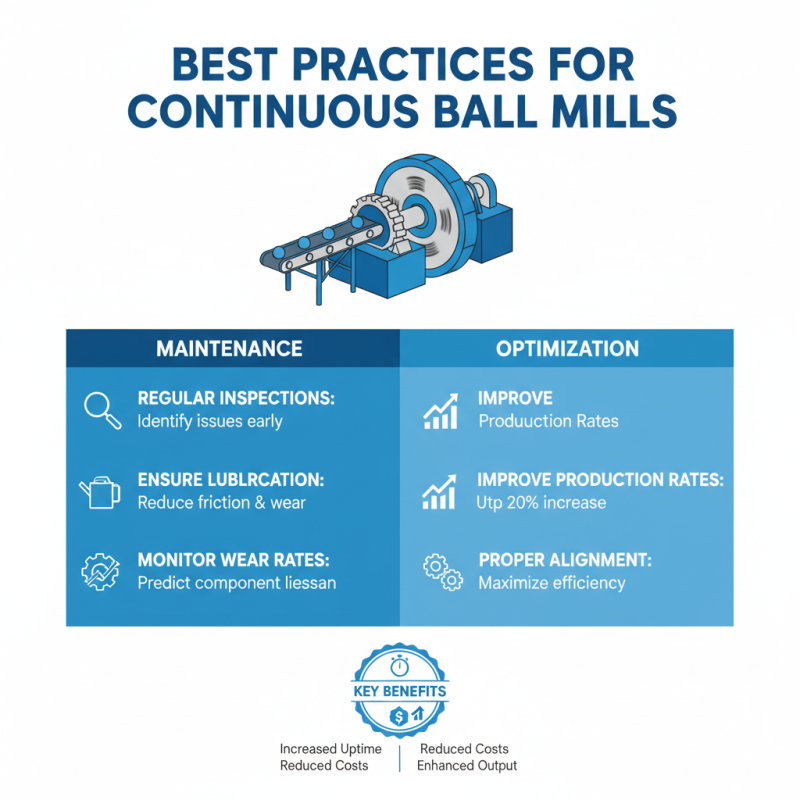
Continuous ball mills play a crucial role in modern manufacturing. Proper maintenance and optimization are vital for efficiency. Industry reports show that well-maintained machines can improve production rates by 20%. Regular inspections can identify issues before they escalate. Ensuring lubrication and monitoring wear rates are fundamental practices.
Operators should focus on vibration analysis and temperature measurements. These insights help in predicting mechanical failures. Research indicates that neglecting maintenance can lead to unplanned downtime, costing around 5-7% of annual revenue. Moreover, training staff in best operational practices enhances machine performance. Engaged employees contribute to a safer, more productive environment.
Optimization is not just about hardware. Process adjustments must be examined regularly. Data-driven decisions, influenced by performance metrics, can yield significant improvements. Some facilities have reported a reduction in energy consumption by up to 15% after optimizing their ball mill parameters. Yet, achieving excellence is an ongoing challenge. Continuous evaluation and adjustments are necessary for lasting success.