5 Best Secondary Crushers for Sale Worldwide
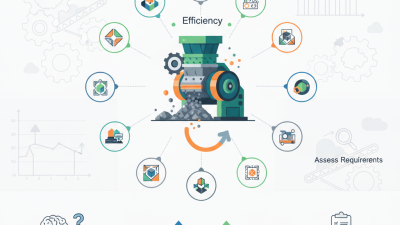
Choosing the right Secondary Crusher is a practical decision, not a simple equipment comparison. Feed size, rock abrasiveness, moisture, capacity, and product shape all affect the result. A crusher that performs well in a dry quarry may struggle with sticky limestone or recycled concrete.
The market remains substantial. The U.S. Geological Survey reported approximately 1.5 billion metric tons of crushed stone produced in the United States during 2023. Its Mineral Commodity Summaries 2024 also identified construction demand as a major driver. Globally, World Mining Data 2024 showed continued mineral production growth across several regions, increasing pressure on processing plants to improve throughput and reliability. These figures do not prove that one machine fits every site.
That limitation matters.
This guide examines five widely available secondary crusher types and models, including cone, impact, and roll designs. Selection criteria include reduction ratio, operating cost, liner life, maintenance access, automation, and local technical support. Field experience suggests that ownership costs often matter more than the purchase price. A low-cost unit can become expensive when replacement parts travel across continents or skilled technicians are unavailable.
The comparison also considers published manufacturer specifications, independent industry data, and common quarry operating conditions. However, specifications are not guarantees. Actual performance changes with feed gradation, chamber design, moisture, and operator decisions. Buyers should request application testing and verified references before committing capital. No universal winner exists. The best Secondary Crusher is the one matched carefully to the material, plant layout, and service network.
What Secondary Crushers Do in a Complete Crushing Plant
5 Best Secondary Crushers for Sale Worldwide
What Secondary Crushers Do in a Complete Crushing Plant
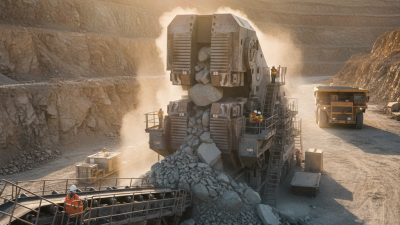
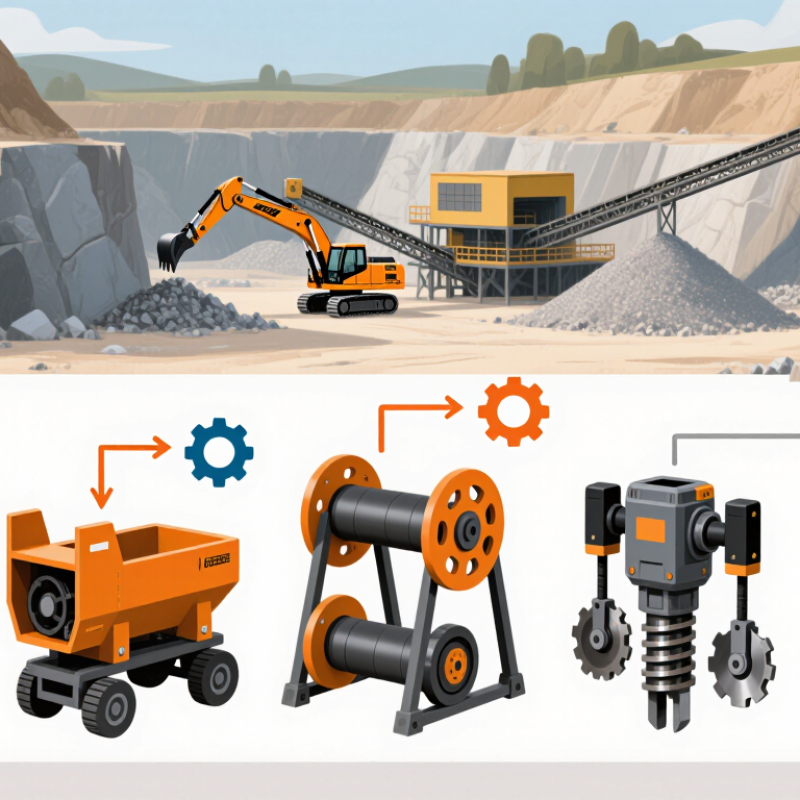
In a complete crushing plant, the secondary crusher receives material after primary reduction. Its job is to create a smaller, more consistent feed for screening or final shaping. This stage protects downstream equipment from oversized stones. It also improves plant capacity. It matters.
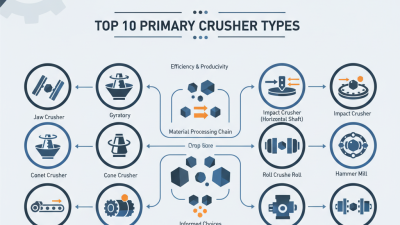
Cone crushers suit hard, abrasive rock and produce a controlled product curve. Impact crushers work well with softer stone and can improve particle shape. Hammer crushers handle moderately hard feed, while roll crushers offer a steady gap and limited fines. A secondary gyratory crusher may support high-capacity operations, but it needs careful installation and strong foundations. These are practical options, not universal winners.
Feed size, moisture, hardness, and required output should guide the selection. A quarry operator should check the closed-side setting, motor power, wear parts, and access for maintenance. For example, wet clay can block some chambers and reduce efficiency. I have seen planning focus too heavily on rated capacity. Real performance often falls when the feed is uneven. Dust control, guarding, noise management, and emergency stops also deserve attention. The best secondary crusher is the one that matches the entire circuit, not merely the lowest purchase price. One detail is often missed: regular inspection prevents small setting changes from becoming costly production problems.
5 Best Secondary Crushers for Sale Worldwide
Secondary crushers reduce material after primary crushing, preparing a controlled feed for screening, shaping, or further size reduction. The chart compares representative capacity ranges with typical reduction ratios for five widely used secondary-crushing solutions.
Capacity values are indicative industry ranges in metric tonnes per hour and vary with feed size, rock hardness, moisture, crusher settings, and product requirements. Cone crushers are commonly selected for hard, abrasive rock; impact crushers for shaping and softer to medium-hard materials; hammer crushers for moderately hard feed; roll crushers for controlled sizing; and secondary jaw crushers where simplicity and robust reduction are priorities.
How to Evaluate Secondary Crushers for Global Applications
5 Best Secondary Crushers for Sale Worldwide
How to Evaluate Secondary Crushers for Global Applications
Choosing a secondary crusher requires more than comparing advertised capacity. The U.S. Geological Survey reported about 1.5 billion metric tons of crushed stone produced in the United States during 2023. That scale shows why stable output matters. However, local geology changes everything. Hard granite, wet limestone, and abrasive basalt demand different crushing chambers, liners, and settings. Evaluate feed size, target product, reduction ratio, and hourly throughput together. A machine rated for 300 tonnes per hour may deliver less with sticky feed or poor screening.
Energy use deserves equal attention. Compare kilowatt-hours per tonne under similar conditions, not brochure estimates. Check CSS adjustment, overload protection, liner life, and access around the chamber. The International Energy Agency continues to identify industrial efficiency as a major emissions priority. Lower energy demand can reduce operating costs, but only when product shape remains acceptable. That trade-off is easy to miss. A spreadsheet can look exact, while field measurements disagree.
Tips: Request test results using your actual rock. Ask for three references in similar climates. Inspect maintenance access before purchase. Confirm spare-part lead times, technician availability, electrical standards, and dust-control requirements. Remote sites need simple diagnostics. Coastal sites need corrosion planning. Also review noise limits and transport dimensions. The best choice is not always the fastest crusher. Sometimes, a slightly slower unit with longer liner life performs better. That conclusion should be tested, not assumed.
Cone Crushers for High-Quality Aggregate Production
5 Best Secondary Crushers for Sale Worldwide
Cone Crushers for High-Quality Aggregate Production
Secondary crushing shapes the material after primary reduction. Among the five widely used options, cone crushers often deliver the most consistent aggregate for concrete, asphalt, and road bases. Their crushing chamber compresses stone between a rotating mantle and a fixed bowl liner. This action creates cubical particles with controlled gradation. Impact, roll, hammer, and fine jaw crushers also serve specific applications, but they may produce more fines or require different feed conditions.
In practical quarry work, a cone crusher performs best with a steady, well-screened feed. Oversized rock can damage liners and reduce capacity. A closed-circuit setup returns large particles for another pass. The result is tighter product control. Operators should monitor CSS, or closed-side setting, during each shift. Even a small adjustment can change the percentage passing a 10-millimeter screen. Dust suppression, liner inspection, and vibration checks also protect reliability.
Choosing the right model requires more than comparing hourly capacity. Hardness, moisture, feed size, and target gradation all matter. A high-pressure crushing chamber may improve shape, yet it can increase power demand. That trade-off deserves attention. In my experience, rushed commissioning causes avoidable problems, especially when the screening deck is undersized. Trial samples, laboratory gradation tests, and maintenance records provide stronger evidence than brochure figures. The best secondary crusher is the one that matches the entire plant, not just the quarry face.
Impact, Hammer, Roll, and Gyratory Crushers Compared
5 Best Secondary Crushers for Sale Worldwide
Secondary crushing shapes material after primary reduction, and the right machine depends on feed size, hardness, moisture, and required product shape. Impact crushers suit limestone and recycled concrete, producing a cubical product with strong control over particle size. Hammer crushers offer aggressive reduction, but high wear can occur with abrasive stone. Roll crushers apply steady compression and often create fewer fines. They work well with clay-rich or sticky materials. Gyratory crushers provide high capacity and stable operation, although their installation usually demands more space and stronger foundations. A secondary cone crusher is another practical choice for hard rock and consistent grading.
Tips: Check the feed opening, operating speed, liner material, and expected moisture. Ask for test results using material similar to yours. A machine that looks efficient on paper may perform poorly when the feed contains wet clay or hidden steel. Keep spare wear parts available near the site.
Field experience shows that capacity figures can be misunderstood. They may assume ideal feed, trained operators, and regular maintenance. Real output is often lower. Impact machines need careful gap adjustment, while hammer units require frequent inspection of hammers and screens. Roll crushers can struggle when oversized lumps enter suddenly. Gyratory units handle demanding tonnage, but their power demand and foundation costs may exceed smaller projects. Compare total ownership cost, service access, dust control, and local technical support before purchasing. A cheaper crusher is not always the economical one.
How to Choose and Buy the Best Secondary Crusher Worldwide
Choosing among the five best secondary crushers for sale worldwide requires more than comparing prices. Start with the material. Hard granite needs a different crushing chamber than soft limestone or recycled concrete. Check feed size, moisture, abrasiveness, and the required final product. Cone crushers suit hard, abrasive rock. Impact crushers handle softer materials and shape aggregates well. Roll crushers can offer controlled reduction with limited fines. A hammer-based design may work for specific, less abrasive applications.
Review capacity under real operating conditions, not only the maximum number in a brochure. Ask for test results using material similar to yours. Examine wear-part costs, adjustment methods, energy use, and maintenance access. A crusher that stops often can cost more than a higher-priced machine. Confirm electrical standards, spare-part availability, installation support, and delivery terms in your country. These details matter when buying internationally. A perfect choice is rare. Actual site data may challenge your first plan.
Tips: Measure the feed opening and discharge belt before ordering. Request a written performance guarantee with clear test conditions. Check whether operators can safely inspect and service the machine. Ask about dust control, noise limits, and emergency shutdown features. Do not ignore weather, foundation strength, or local technical support. Cheap freight can hide expensive delays. Compare the complete ownership cost, not just the purchase quotation.