
0102030405


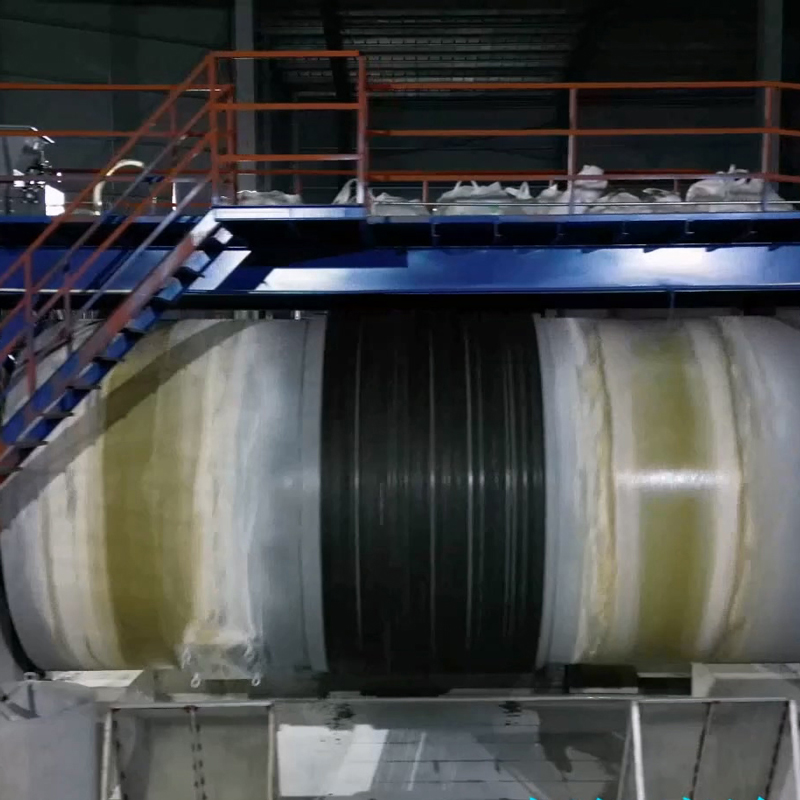
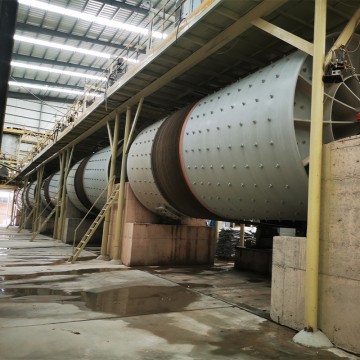
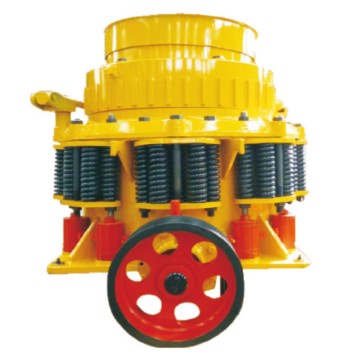
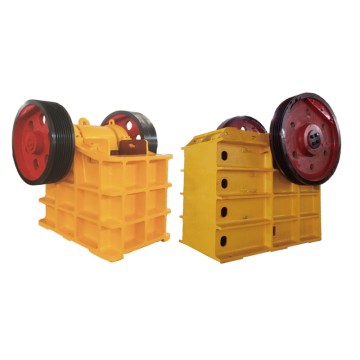
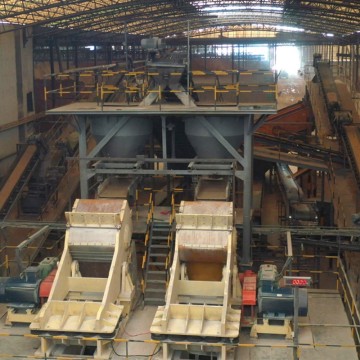
Minjie Ultrafine Grinding Continuous Ball Mill - High-Precision Mineral Processing Equipment from China Suppliers and Factory
Product Video
Product Introduction
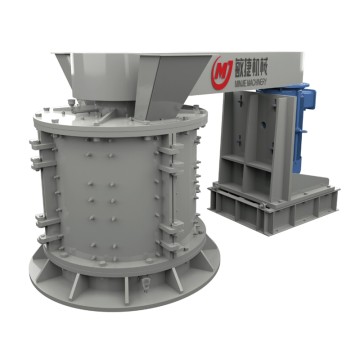
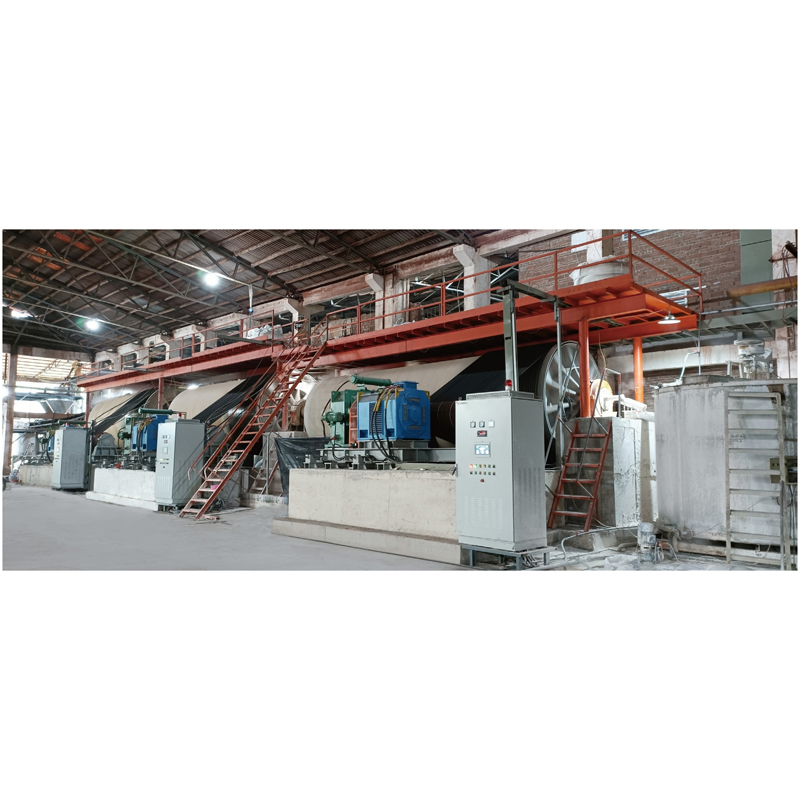
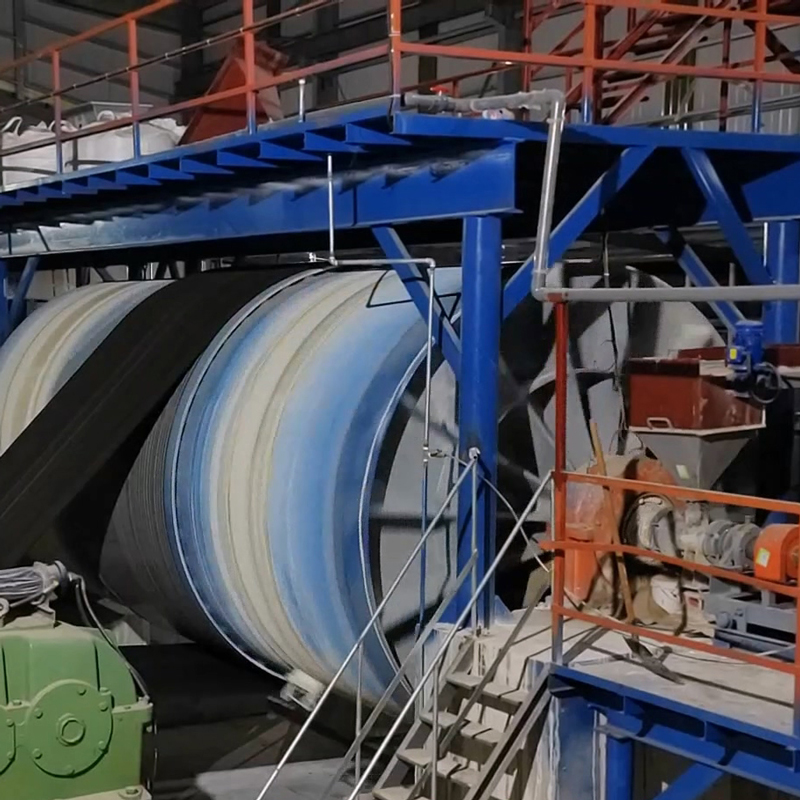
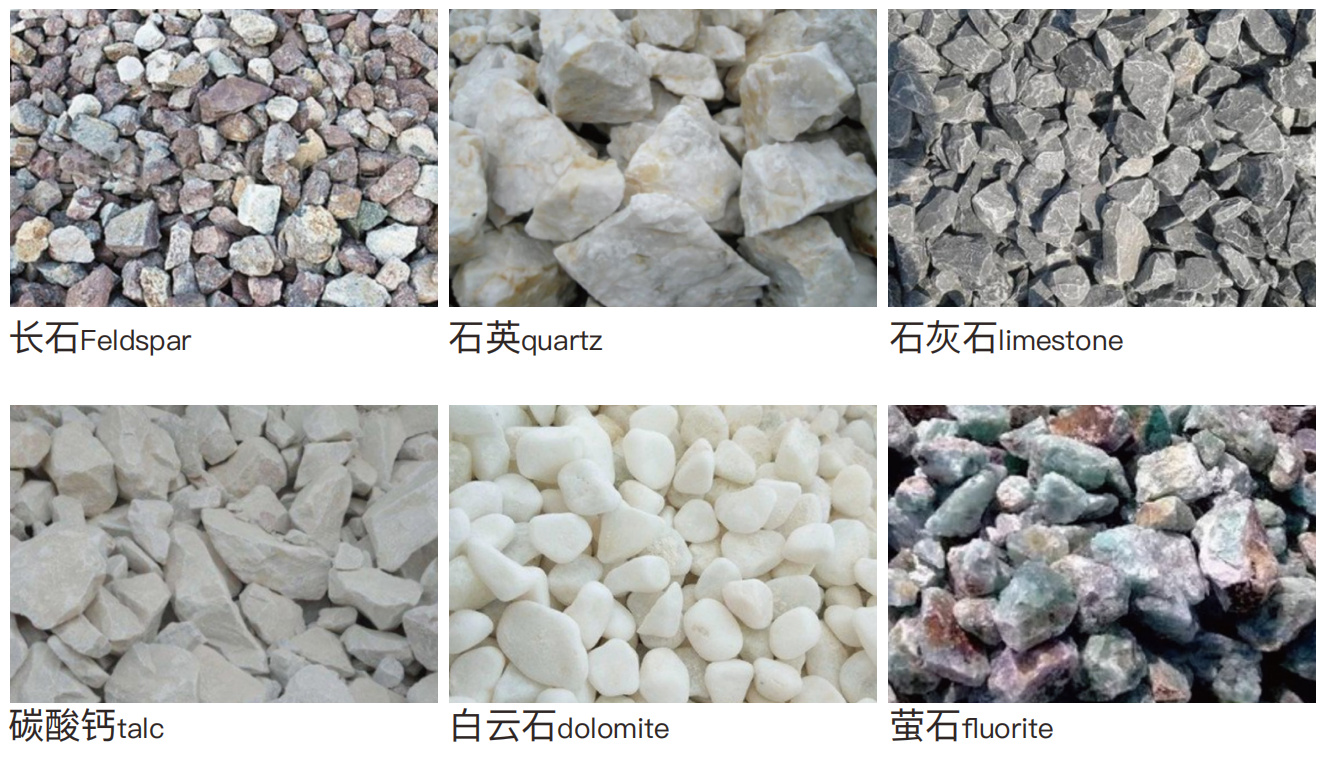
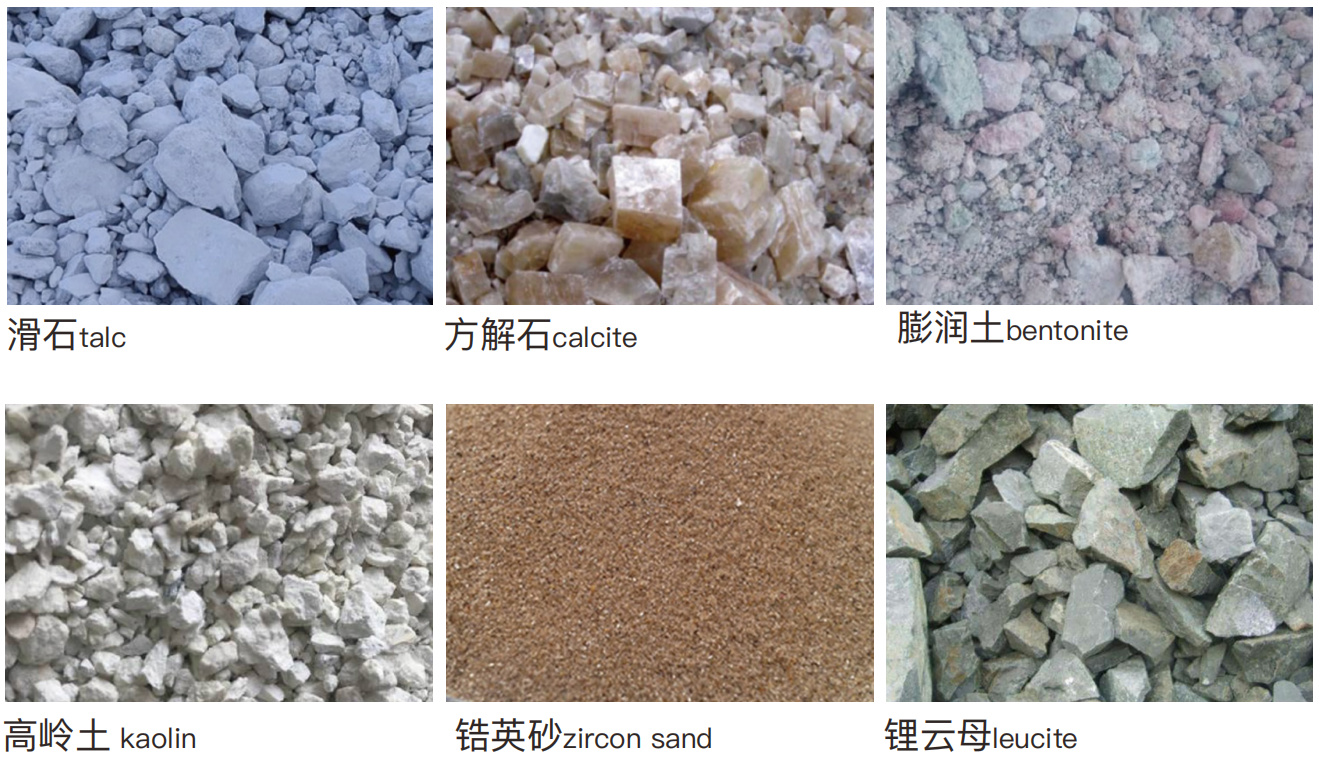
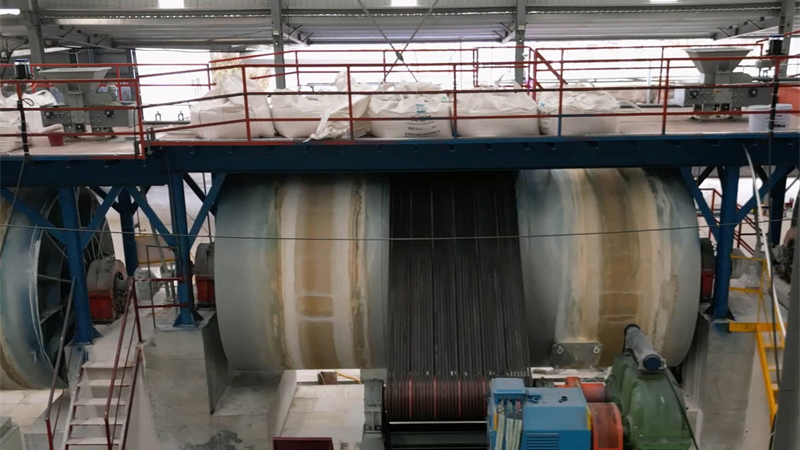
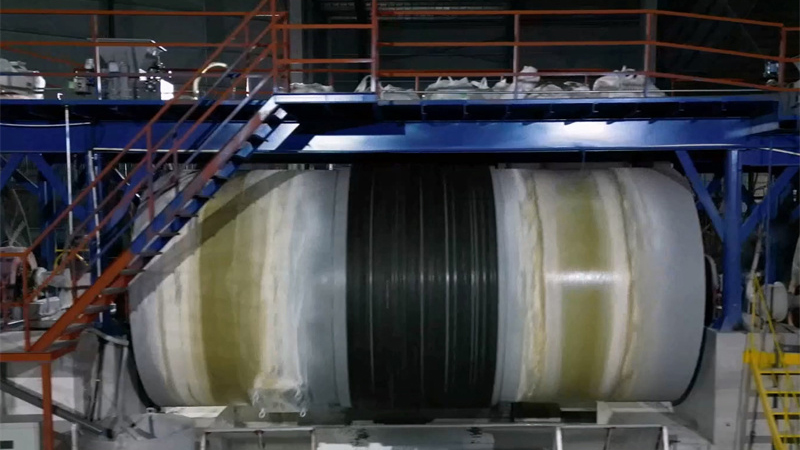
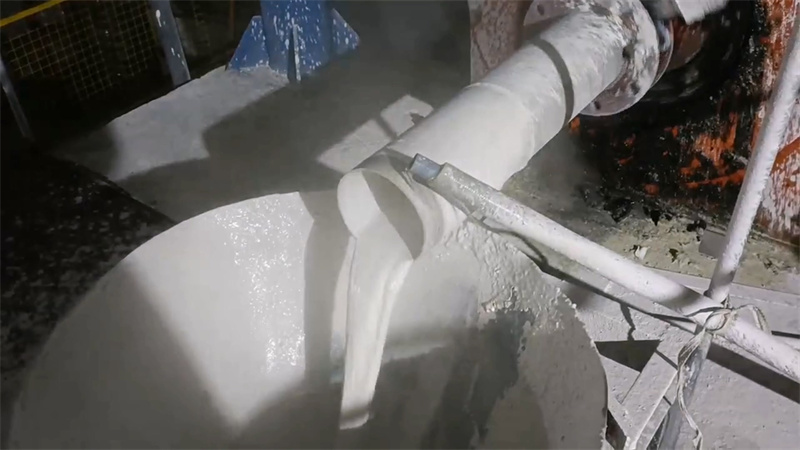
The ultrafine ball mill is suitable for wet ball milling and dry ball milling. Operation mode can be intermittent ball milling, continuous ball milling. Can be used for grinding potassium albitite, quartz, limestone, talc, calcite, dolomite, fluorite, bentonite, kaolin, zirconite sand, lepiolite and other materials, is the necessary grinding industry of medium and high hardness material grinding equipment, grinding fineness of 100~10000 mesh, can be customized according to customer needs.
Key Features
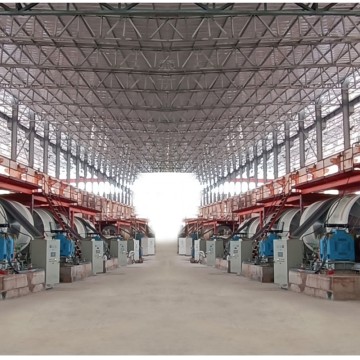
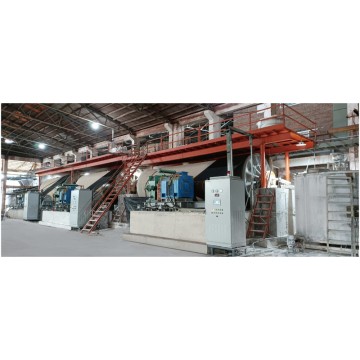
Continuous Operation
Materials are fed and discharged simultaneously, allowing uninterrupted production and stable output.
Ultrafine Grinding Capability
Achieves particle sizes typically in the range of 1 to 20 microns, suitable for high-precision applications.
Optimized Design
Features specially designed grinding media and liners for enhanced energy efficiency and reduced wear.
Adjustable Parameters
Fine control over residence time, speed, and media size for customizable fineness and throughput.
Closed System Compatibility
Can be operated in a closed-loop with classifiers or cyclone separators to control particle size distribution precisely.
Product Accessories
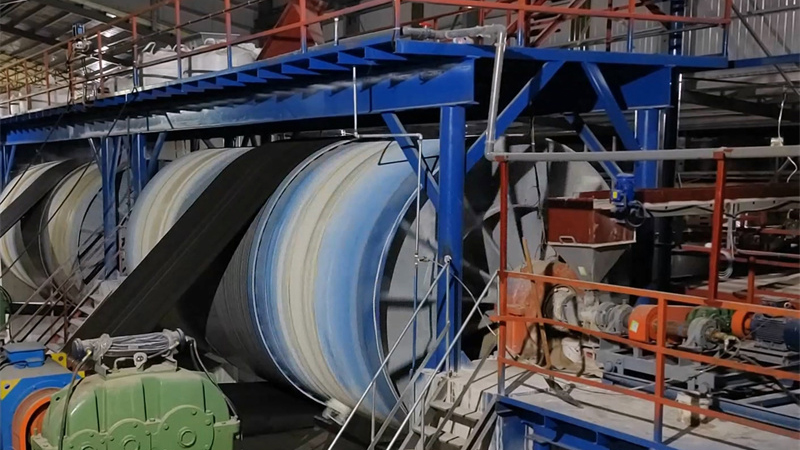
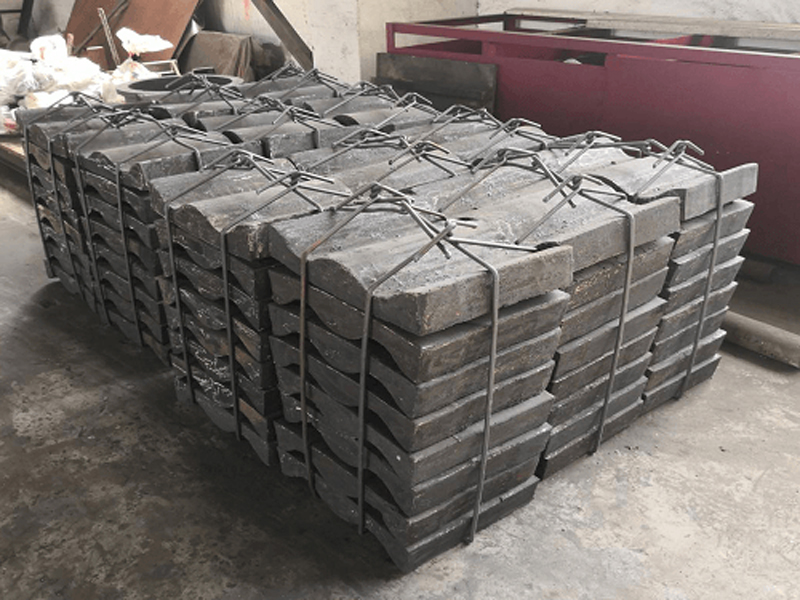
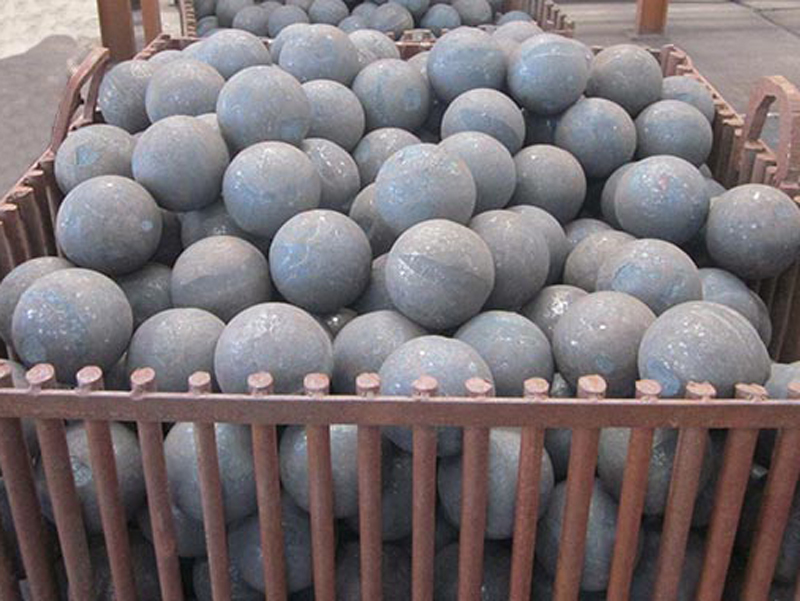
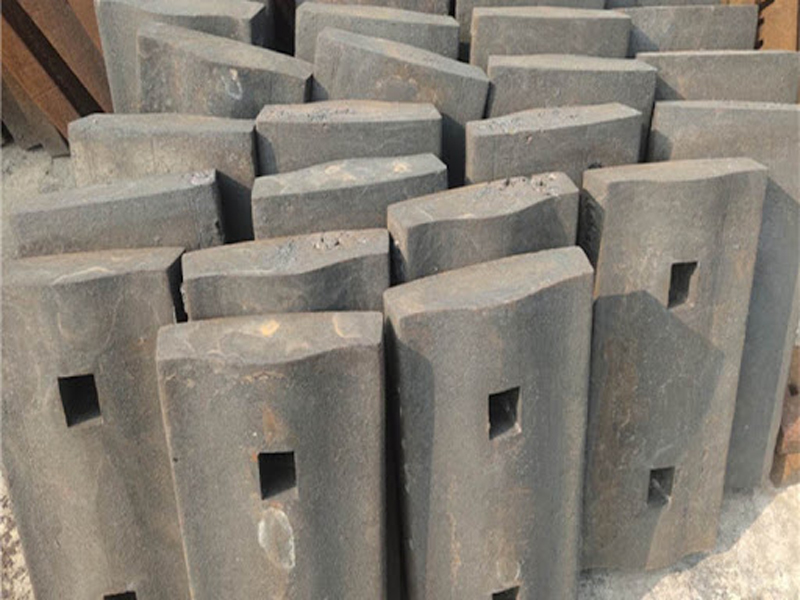
Specialized Grinding Balls and Liners for Ultrafine Continuous Ball Mills
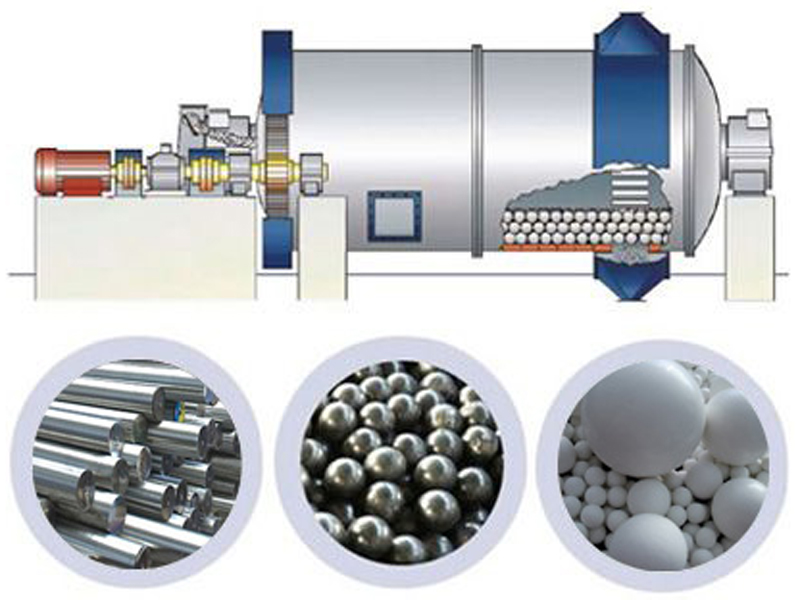
Minjie’s specialized grinding media and liners for ultrafine continuous ball mills offer precise and stable solutions for demanding materials such as lithium ore, graphite, zirconium silicate, and pigments or dyes. The grinding media, including high-alumina balls and zirconia balls, feature excellent wear resistance and minimal contamination—ideal for applications requiring strict control of purity and particle size distribution.
For lithium mica, spodumene, and other new energy materials, the grinding balls maintain high efficiency and low wear even under heavy loads, ensuring zero metallic contamination. For flake materials like graphite or sticky pigment compounds, the optimized size and density of media improve dispersion and prevent agglomeration.
Liners are made from high-strength ceramic plates or high-alumina materials, providing tight structure and excellent impact resistance. Custom formulas are available based on the corrosiveness and hardness of different raw materials, extending equipment life and reducing maintenance frequency.
This integrated solution delivers stable performance, high throughput, and low energy consumption—making it a top choice for industries in new energy, advanced materials, and fine chemicals.
For lithium mica, spodumene, and other new energy materials, the grinding balls maintain high efficiency and low wear even under heavy loads, ensuring zero metallic contamination. For flake materials like graphite or sticky pigment compounds, the optimized size and density of media improve dispersion and prevent agglomeration.
Liners are made from high-strength ceramic plates or high-alumina materials, providing tight structure and excellent impact resistance. Custom formulas are available based on the corrosiveness and hardness of different raw materials, extending equipment life and reducing maintenance frequency.
This integrated solution delivers stable performance, high throughput, and low energy consumption—making it a top choice for industries in new energy, advanced materials, and fine chemicals.
Applications
Quartz and other silicate materials
Calcium carbonate, talc, barite, and other minerals
Ceramic raw materials
Pigments and fillers
Advanced materials in chemical and electronic industries
Advantages
Consistent and uniform particle size
High throughput with reduced energy consumption
Low contamination and high product purity
Minimal manual intervention and easy integration into automated systems
Frequently Asked Questions (FAQ)
What materials can the ultrafine ball mill process?
The ultrafine ball mill is suitable for grinding potassium albitite, quartz, limestone, talc, calcite, dolomite, fluorite, bentonite, kaolin, zirconite sand, lepiolite, and other medium to high hardness materials.
What is the grinding fineness capability of this system?
It can achieve a grinding fineness ranging from 100 to 10,000 mesh. Custom adjustments and configurations can be designed to match specific customer requirements.
Does the ball mill support continuous production?
Yes, it supports continuous operation where materials are fed and discharged simultaneously, which ensures uninterrupted production and highly stable output.
How does the mill prevent contamination during the grinding process?
By utilizing Minjie’s specialized high-alumina or zirconia grinding balls along with high-strength ceramic liners, the mill ensures excellent wear resistance and minimizes metallic contamination, making it ideal for high-purity materials like lithium ore and pigments.
What are the main advantages of using this equipment?
Key advantages include consistent and uniform particle size distribution, high throughput with reduced energy consumption, minimal contamination for high product purity, and easy integration into automated systems with minimal manual intervention.