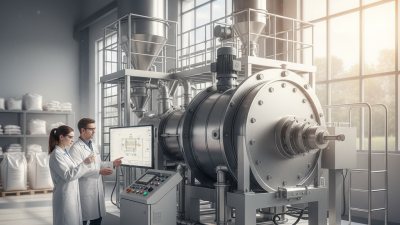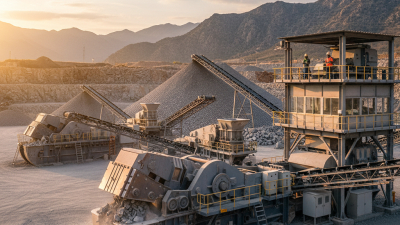
The Ultrafine Impact Crusher is an advanced machine designed for producing ultra-fine materials. This technology plays a crucial role in various industries, including mining, construction, and recycling. According to the latest market report by Mordor Intelligence, the demand for ultrafine materials is expected to grow at a CAGR of 5.4% between 2021 and 2026. This growth signifies a shift towards more precise material processing.
An Ultrafine Impact Crusher employs high-speed impact forces to break down materials into ultra-fine particles. This technology enhances the efficiency of processes such as mineral extraction and aggregate production. However, not all implementations are successful. Many industries face challenges like wear and tear of parts, leading to increased operational costs. Regular maintenance and the use of quality materials can mitigate these issues, yet the quest for optimal performance remains a focal point for many operators.
This device offers benefits such as energy efficiency and reduced waste. However, it requires skilled operators knowledgeable in its intricacies. Industry reports highlight that improper usage can lead to inefficiencies, raising questions about training and operational standards in the field. Addressing these concerns is essential for maximizing the potential of the Ultrafine Impact Crusher.
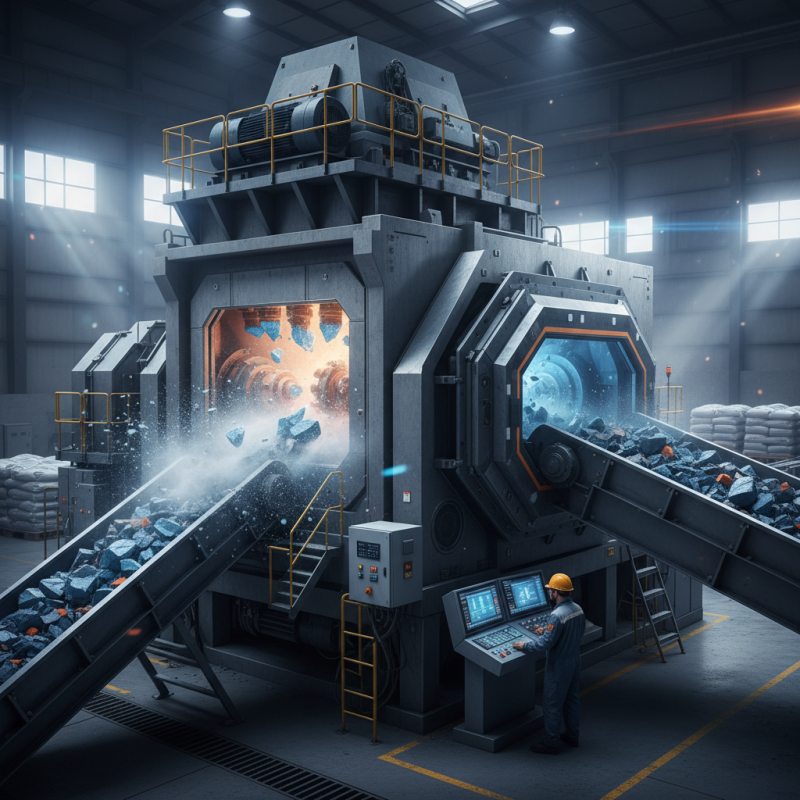
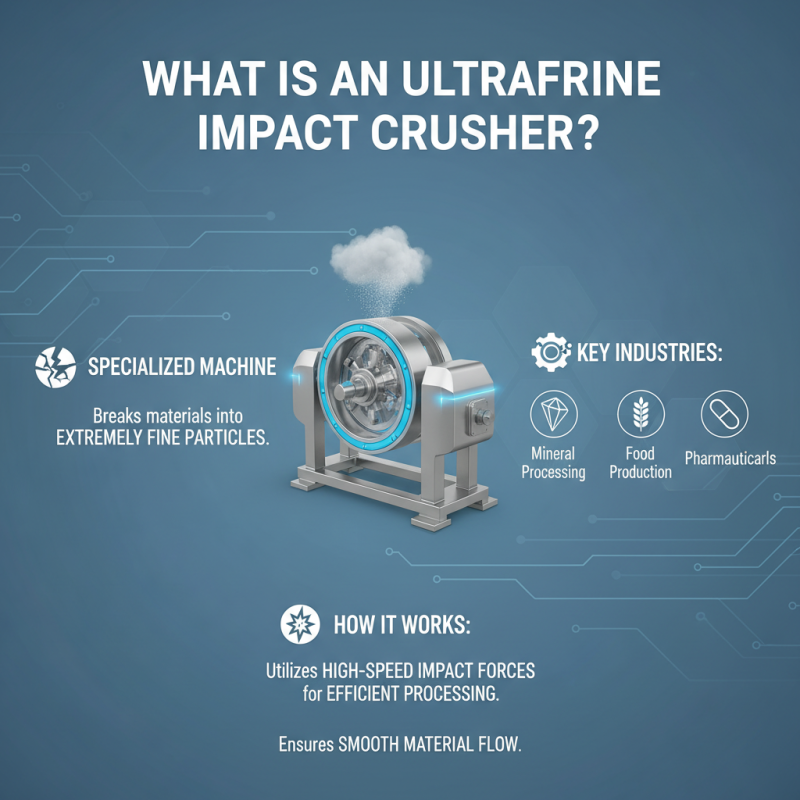
An ultrafine impact crusher is a specialized machine designed to break down materials into extremely fine particles. This equipment is often used in industries like mineral processing, food production, and pharmaceuticals. By employing high-speed impact forces, it efficiently processes a variety of materials, ensuring a smooth flow of operations.
The working principle involves high-velocity impacts that shatter the particles. The rotor spins rapidly, allowing materials to collide with each other and the chamber walls. This process fractures the particles into ultrafine sizes, often as small as a few microns. Such fineness ensures better mixing and distribution in subsequent processes. Yet, it's crucial to monitor the wear and tear on parts, as maintenance is key to operational reliability.
Despite its effectiveness, there are challenges. Users must carefully choose feed material to prevent clogging and ensure consistent output. Additionally, energy consumption can be significant, raising operational costs. Understanding these nuances is essential for achieving optimal results in ultrafine material production.
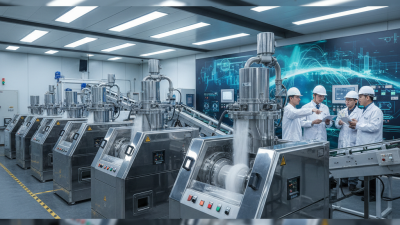
Ultrafine impact crushers are advanced machines designed for the fine grinding of materials. They excel in producing particles with a very small size, while maintaining high efficiency. Understanding their key components is essential for grasping how they function.
One primary component is the rotor. Rotors are usually equipped with high-speed rotating hammers. These hammers play a vital role in shattering the material. The design determines how effective the machine will be in achieving a fine grind. Additionally, a well-engineered rotor can lead to faster processing times and lower energy consumption.
Another important element is the grinding chamber. It is critical for controlling the particle size. The chamber’s geometry affects the flow of materials and the impact forces encountered. A design flaw here could result in uneven grinding. Lastly, the classifier helps separate fine particles from coarser ones. Proper classification enhances the overall efficiency of the process. However, it requires careful adjustment, as improper settings might lead to wasted energy or inconsistent product quality. Each of these components requires thoughtful consideration to ensure optimal performance.
Ultrafine impact crushers are essential in the comminution process. These machines are primarily used to produce fine powders from various materials. The operational principles are fascinating. They utilize high-speed rotors that break down particles through rapid impacts. The crushing process is enhanced by the addition of airflow, facilitating efficient particle size reduction.
Research indicates that ultrafine impact crushers can achieve particle sizes as fine as 10 microns. This capability is crucial in industries like pharmaceuticals and food production, where precise particle sizes are needed. The unique design allows for a consistent output, minimizing the variability in product quality.
However, the operational efficiency may vary depending on input material characteristics. This variability can lead to operational challenges. Maintenance also plays a critical role in ensuring optimal performance. Regular inspections and adjustments are necessary to address wear and tear. Without proper care, even the best machines can underperform, highlighting the continuous need for improvement and refinement in this technology.
| Feature | Description | Operational Principle |
|---|---|---|
| Particle Size Reduction | Crushers can reduce material to ultrafine particles, often below 30 microns. | Utilizes high-speed rotor impacts and air flow to achieve size reduction. |
| Material Types | Can process a variety of materials including metals, plastics, and minerals. | Impacts compress materials, causing them to fracture into smaller particles. |
| Energy Efficiency | Designed for efficient energy use compared to traditional crushers. | Optimizes power consumption through advanced design and operation. |
| Applications | Used in chemical, pharmaceutical, and material recovery industries. | Ideal for applications requiring uniform particle sizes. |
| Maintenance | Regular maintenance is required to ensure optimal performance levels. | Involves checking wear parts and cleaning to prevent blockages. |
Ultrafine impact crushers play a crucial role in various industries. They are designed to process materials into very fine particles, typically less than 10 microns. This capability is essential for industries like pharmaceuticals, where precise particle size can influence drug efficacy.
In the food industry, ultrafine impact crushers ensure the consistency of ingredients. They facilitate uniformity, enhancing the quality of products such as powdered sugar or spices. These industries benefit from this technology because it helps maintain product standards while increasing production efficiency.
However, not all materials are suitable for ultrafine crushing. Certain hardness levels or moisture content can affect the machine's performance. Proper understanding of these parameters is vital. Users must remain aware of the limitations to maximize the efficacy of the ultrafine impact crusher. Real-world testing is necessary for optimal results. This awareness fosters better decision-making and enhances workflow efficiency in the long run.
This chart illustrates the impact of ultrafine impact crushers across various industries. The percentages represent the estimated market distribution of applications in sectors such as Mining, Construction, Recycling, Food Processing, Pharmaceuticals, and Chemicals.
Ultrafine impact crushers are designed to achieve high efficiency in material reduction, particularly for hard materials. Research indicates that these machines can attain an energy efficiency of up to 90%. This significant level of energy utilization is crucial in the context of rising energy costs globally. The output size typically ranges from 10 to 30 microns, making it suitable for industries that require fine powder. Such precision enables them to serve applications in pharmaceuticals and cosmetics.
Performance metrics show that ultrafine impact crushers can process up to 10 tons of material per hour. However, these machines may face challenges with specific materials that lead to wear and tear. Manufacturers report an average downtime of around 15% due to maintenance needs. This can affect overall production efficiency, requiring operators to plan for periodic service and part replacements.
While their performance numbers are impressive, operators should not overlook the machine’s limitations. Material characteristics influence crushing efficacy; some ores contain moisture that can hinder operation. Adjustments in settings may be necessary, indicating a need for skilled personnel during operation. Hence, understanding both the strengths and weaknesses of ultrafine impact crushers is vital for optimizing productivity.