Top Fine Cone Crusher Models for Optimal Crushing Performance?
In the world of crushing machinery, the Fine Cone Crusher stands out for its efficiency and performance. These machines are designed to handle a wide range of materials, ensuring optimal output with minimal waste. However, not all fine cone crushers are created equal.
Many industries depend on these machines for various applications, from mining to construction. Choosing the right model can significantly impact productivity and cost-effectiveness. Each model offers unique features and capabilities tailored to specific crushing needs.
As technology advances, staying informed about the top models is essential. This knowledge can lead to better decision-making and improved operational outcomes. While the options are vast, careful consideration of specifications can reveal both strengths and areas for improvement in selected models. Making an informed choice about fine cone crushers can enhance overall crushing performance.
Overview of Fine Cone Crushers and Their Applications
Fine cone crushers play a crucial role in the mining and aggregate industries. Their primary function is to produce high-quality material from varying feed sizes. These crushers are typically used as secondary or tertiary crushers and excel in reducing rocks to finer grades. According to industry reports, the global market for fine cone crushers is projected to grow by 5.2% annually, highlighting their increasing importance in maximizing production efficiency.
The applications of fine cone crushers are varied. They are employed in metal and non-metallic mineral processing. Fine cone crushers are also essential in the manufacturing of construction aggregates. The ability to produce uniform, high-strength outputs is vital for concrete production. However, selecting the right model can be challenging. Variability in plant setup, material type, and production goals must be considered. It's not merely about picking a machine; it's about matching equipment capabilities to end-use requirements.
Challenges remain in optimizing performance. Variations in feed size and material hardness can affect production efficiency. Studies indicate that nearly 15% of operational downtime is due to suboptimal settings and maintenance. Continuous monitoring is essential. This ensures that the crushing parameters align with material characteristics, thus preventing potential losses. The fine cone crusher's effectiveness hinges not just on technology, but also on the strategic operational choices made by users.
Key Features to Consider in Fine Cone Crusher Models
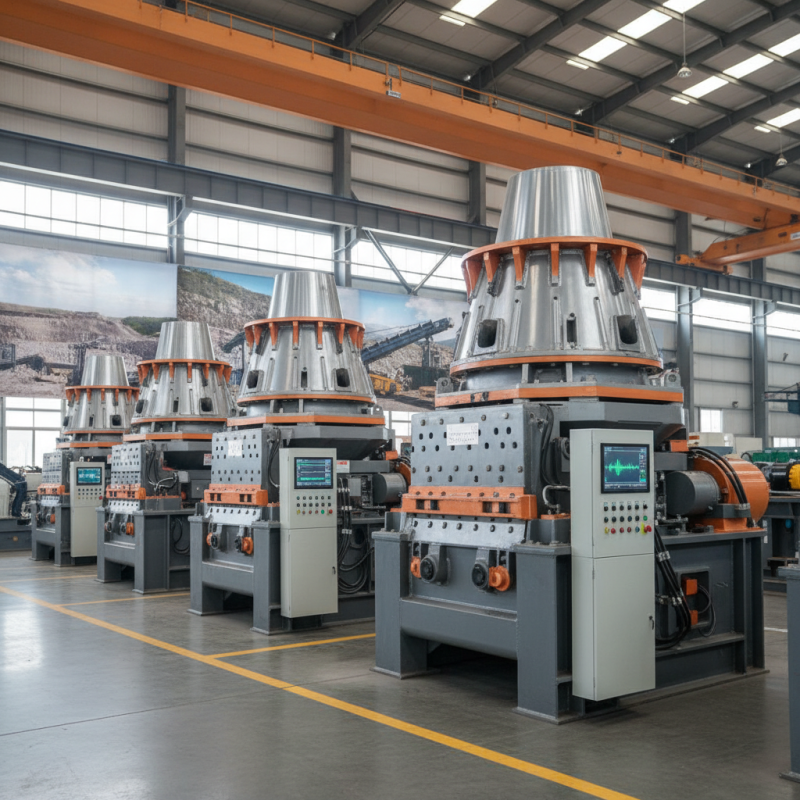
When selecting fine cone crushers, several key features are essential for optimal performance. The crushing capacity is paramount. A model with higher output can significantly enhance productivity. Look for crushers with adjustable settings. This allows for flexibility in processing different materials. The design should include a robust crushing chamber. A well-designed chamber can improve the quality of crushed material.
Operational efficiency is another crucial aspect. Choose models equipped with advanced control systems. These systems enable real-time adjustments, minimizing downtime. A reliable cooling system is also vital. It prevents overheating during long production runs.
Tips for maintaining a fine cone crusher include regular inspections and preventive maintenance. Check for wear on the crushing liners frequently. This can save costs in the long run. Additionally, monitor the power consumption. High energy usage can indicate underlying issues. Cultivating a proactive maintenance routine can enhance the lifespan of the equipment.
Top Models of Fine Cone Crushers in the Market
When it comes to fine cone crushers, performance is critical. These machines are designed to produce superior aggregates with the utmost efficiency. A few models have gained recognition in the industry for their innovation and reliability. Each model showcases unique features that cater to varied crushing requirements.
One standout feature is the adjustable crushing chamber. This allows operators to customize the output size, achieving desired gradation. Another advantage is the hydraulic system that enhances operational safety and ease of maintenance. However, not all models are perfect; some may have higher wear rates on certain components. This can affect long-term performance if not addressed.
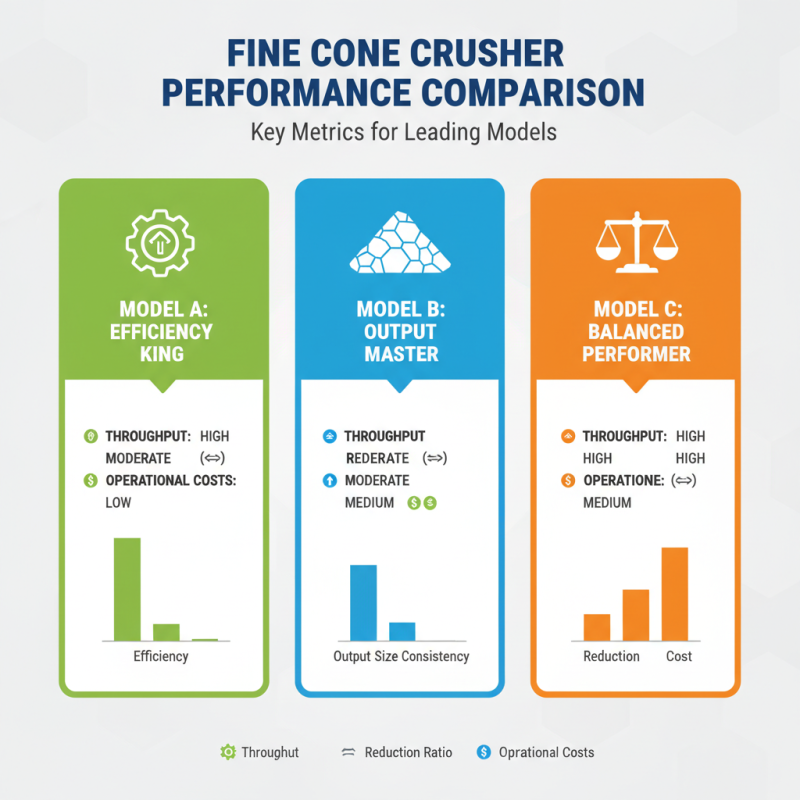
Operators must weigh these aspects when selecting a model. Performance metrics, such as throughput and energy efficiency, should guide decisions. Each model's specifications can vary greatly, leading to different results in various operations. Investing time to understand these differences will help in choosing the right one for optimal crushing performance.
Top Fine Cone Crusher Models for Optimal Crushing Performance
| Model |
Max. Input Size (mm) |
Discharge Range (mm) |
Capacity (tph) |
Power (kW) |
| Model A |
50 |
5-15 |
120 |
110 |
| Model B |
60 |
6-20 |
150 |
132 |
| Model C |
70 |
10-30 |
180 |
160 |
| Model D |
80 |
12-32 |
200 |
200 |
Maintenance and Care for Optimal Performance of Fine Cone Crushers
In the domain of fine cone crushers, maintenance remains essential for optimal performance. Regular inspections are crucial. Industry studies reveal that proper upkeep can extend equipment life by an average of 20-30%. Simple tasks, like checking liner wear, can prevent costly downtimes. Operators must be vigilant; ignoring small wear signs leads to larger issues.
Keeping the lubrication system efficient enhances performance. An efficient lubrication system decreases friction and maintains operational temperatures. According to reports, well-lubricated machines operate up to 15% more efficiently. Yet, many operators overlook this. They often neglect to monitor oil levels, which can cause system failures.
Vibration analysis provides critical data. Regularly performed checks help identify potential issues before they escalate. However, not all operators invest in this practice. This oversight can lead to unexpected breakdowns and costly repairs. Training personnel on maintenance can significantly improve reliability. Investing in staff knowledge pays off.