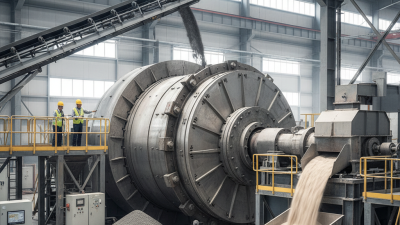
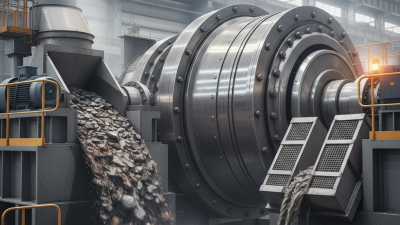
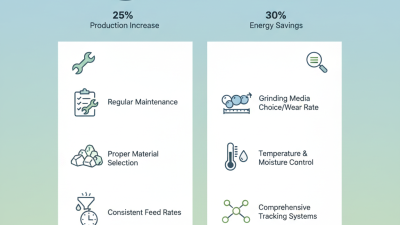
Why Choose Continuous Ball Mill Equipment for Your Production Needs?
In today's manufacturing landscape, selecting the right equipment is crucial for efficiency and productivity. The Continuous Ball Mill Equipment stands out for its ability to enhance production processes in various industries. A report by Grand View Research highlighted that the global ball mill market is projected to reach $5.2 billion by 2027, driven by the demand for efficient grinding solutions.
Continuous Ball Mill Equipment offers significant advantages. It allows for uninterrupted operation, leading to higher throughput. According to a study by Research and Markets, continuous milling can improve productivity by up to 40% compared to conventional batch processes. However, selecting the right continuous mill requires careful consideration of material characteristics and desired output.
Investing in Continuous Ball Mill Equipment can yield long-term benefits. It provides consistent particle size distribution and minimizes energy consumption. That said, manufacturers must reflect on their specific needs and challenges. Understanding the role of this equipment will help ensure optimal production outcomes and cost-effectiveness. Exploring innovative solutions in this field could reveal even greater enhancements in the future.
Benefits of Continuous Ball Mill Equipment in Manufacturing Processes
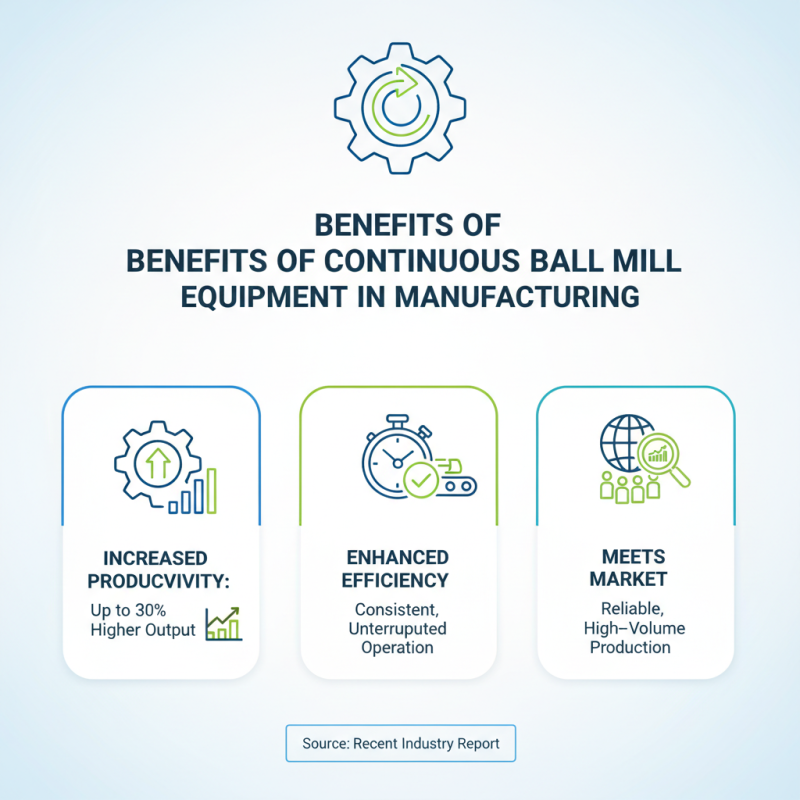
Continuous ball mill equipment is gaining traction in manufacturing. This equipment offers significant advantages over batch systems. According to a recent industry report, continuous mills can enhance productivity by up to 30%. This efficiency plays a crucial role in meeting increasing market demands.
One major benefit is the uniformity of particle size. Continuous ball mills facilitate a steady flow of materials, which leads to consistent grinding results. In contrast, batch processes often produce varying particle sizes. This inconsistency can impact product quality. A study showed that uniform particle sizes improve downstream processing and product stability.
Another aspect to consider is operational flexibility. Continuous mills can handle diverse materials and adjust to changes in production requirements. However, the initial investment may be higher than traditional systems. Companies may need time to assess whether the long-term benefits outweigh the upfront costs. These factors highlight the importance of thorough analysis and planning. Adopting continuous ball mill equipment could propel manufacturers toward greater efficiency, but careful consideration is vital.
Key Features of Continuous Ball Mills for Efficient Production
Continuous ball mills are essential for various production needs. They efficiently grind materials in a continuous flow, making them ideal for large-scale operations. One key feature is their ability to maintain a consistent particle size. This ensures uniformity in the final product, which is crucial for quality control.
Another significant aspect is their automation capabilities. Continuous ball mills can be integrated into existing production lines with minimal disruption. This flexibility allows manufacturers to adapt to new processes and demands easily. Additionally, the design promotes energy efficiency, which can lead to cost savings over time. However, it's important to consider the maintenance needs. Regular upkeep is necessary to avoid wear and tear.
Ultimately, evaluating your production needs is essential. While continuous ball mills offer many advantages, they may not suit every situation. Conducting a thorough analysis helps in determining the best equipment for your unique requirements. Investing time in this process can lead to higher productivity and better quality outcomes.
Why Choose Continuous Ball Mill Equipment for Your Production Needs?
| Feature |
Description |
Benefits |
| Continuous Operation |
Designed to run uninterrupted, allowing for constant material processing. |
Increased production efficiency and reduced downtime. |
| High Throughput |
Capable of handling large volumes of materials continuously. |
Improved productivity and quicker turnaround times. |
| Energy Efficiency |
Optimized design to minimize energy consumption during operation. |
Lower operational costs and sustainable production practices. |
| Versatile Design |
Can be adapted to process a variety of materials and sizes. |
Flexibility to meet diverse production needs. |
| Ease of Maintenance |
Simplified maintenance procedures and accessibility to key components. |
Reduced downtime and lower maintenance costs. |
Comparing Continuous Ball Mills to Traditional Batch Mills
When assessing the efficiency of production processes, continuous ball mills often stand out against traditional batch mills. Continuous ball mills operate nonstop, allowing for higher throughput. A recent industry report highlights that such mills can enhance productivity by nearly 30% compared to batch systems. This is especially relevant in industries like cement and ceramics, where consistent quality is essential.
Traditional batch mills have their advantages, such as simpler loading and unloading processes. However, they can lead to significant downtime, affecting overall output. Continuous systems reduce this downtime, providing a streamlined operation. A study from the International Journal of Advanced Manufacturing Technology noted that continuous ball mills provide more uniform particle sizes, which can improve the overall quality of the end product.
Nonetheless, continuous ball mills require a more substantial upfront investment and a more precise setup. This could pose a challenge for smaller operations with limited budgets. Deciding between the two often involves weighing initial costs against long-term productivity benefits. Each method has its merits, and understanding specific production needs is crucial for making the right choice.
Applications of Continuous Ball Mills Across Various Industries
Continuous ball mills have gained popularity across various industries due to their efficiency and adaptability. In the construction materials sector, for instance, they are crucial for grinding raw materials. Reports show that using continuous ball mills can increase production rates by up to 30%. This is particularly beneficial in cement manufacturing, where consistent particle size enhances product quality.
In the mineral processing industry, continuous ball mills play a vital role. They effectively grind ores and improve recovery rates. According to a study published by the Journal of Minerals and Materials Characterization and Engineering, implementing continuous systems can lead to a 20% reduction in energy consumption. This statistic highlights the environmental benefits of these mills. However, some mills require frequent maintenance checks to ensure optimal performance, which can lead to downtime.
The food processing sector is another area where continuous ball mills excel. They are used for grinding spices and grains, providing uniform texture. Reports from agricultural studies indicate that achieving consistent particle size influences the flavor and aroma of products. Despite the advantages, operators must monitor the system closely for any signs of wear and tear. These steps ensure that companies maintain their production standards while addressing the challenges of mill operation.
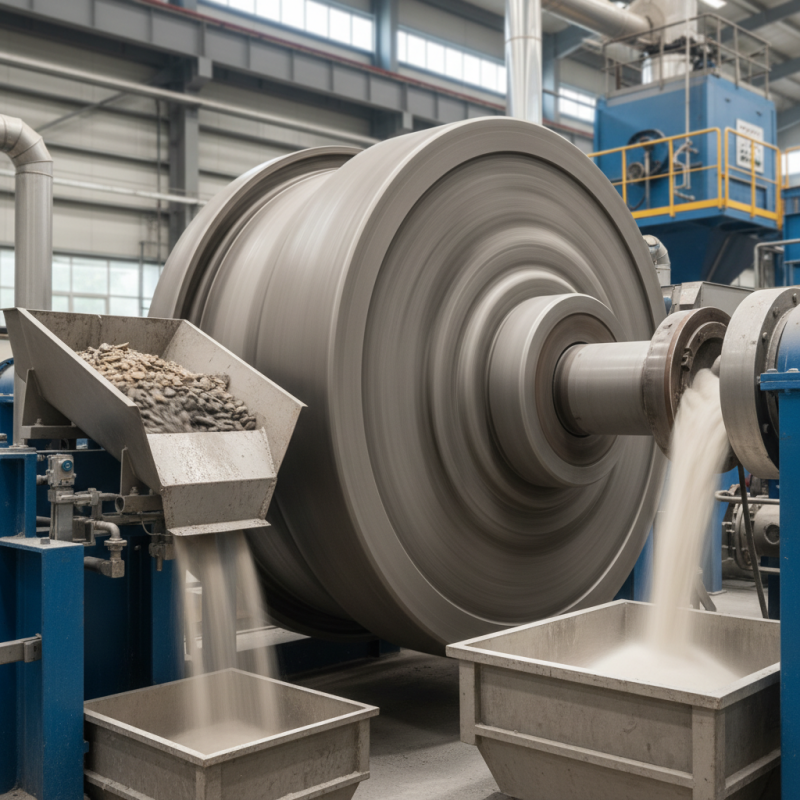
Maintenance and Operational Considerations for Continuous Ball Mills
Continuous ball mills are efficient in material processing, but they require careful maintenance and operational considerations. Regular inspections can identify wear and tear before they escalate. Monitoring critical components like bearings and shafts is essential. Small issues can lead to larger, costlier problems if ignored.
Operational practices also play a crucial role. Maintaining the correct loading of materials prevents overloading and enhances efficiency. Operators should be trained to understand the significance of proper feeding rates. Unexpected downtime can occur if these factors are overlooked. Even routine tasks, like cleaning and lubrication, should not be neglected to ensure optimal performance.
Balancing production demands with maintenance schedules can be challenging. It’s vital to develop a preventative maintenance program that fits your production needs. A well-considered approach can enhance reliability and extend the life of the equipment. Operators must remain vigilant and willing to adapt as conditions change.
Maintenance and Operational Considerations for Continuous Ball Mills