Leave Your Message

How to Choose a Fine Jaw Crusher in 2026?

Choosing a Fine Jaw Crusher in 2026 starts with the material, not the machine brochure. Feed size, hardness, moisture, and abrasiveness all affect crushing performance. A unit that handles clean, dry rock may struggle with sticky feed or inconsistent sizing. Small details matter. Look closely at the feed opening, discharge range, motor power, and adjustment method. These specifications help reveal whether a crusher suits your actual production needs.

The right choice also depends on the whole operation. Consider required capacity, available floor space, power supply, and how the crusher connects with screens or conveyors. Ask suppliers for test data relevant to your material, plus clear information about wear parts, maintenance access, and service support. A quoted capacity alone can mislead; real output varies with feed conditions and operating settings. That part is easy to overlook. In practice, even a well-specified machine can disappoint when the upstream feed is poorly controlled.

This guide explains how to compare a Fine Jaw Crusher for practical use in 2026. It focuses on measurable criteria, operating costs, and questions worth asking before purchase. It also leaves room for uncertainty: published figures cannot replace a site assessment or material test. Verify critical assumptions with qualified equipment professionals, and treat unusually broad performance promises with care. A careful comparison takes time. It can prevent an expensive mismatch later.
How to Choose a Fine Jaw Crusher in 2026?

What a Fine Jaw Crusher Does and Where It Fits in a Crushing Line

How to Choose a Fine Jaw Crusher in 2026?

What a Fine Jaw Crusher Does and Where It Fits in a Crushing Line

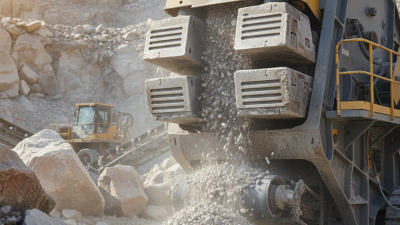
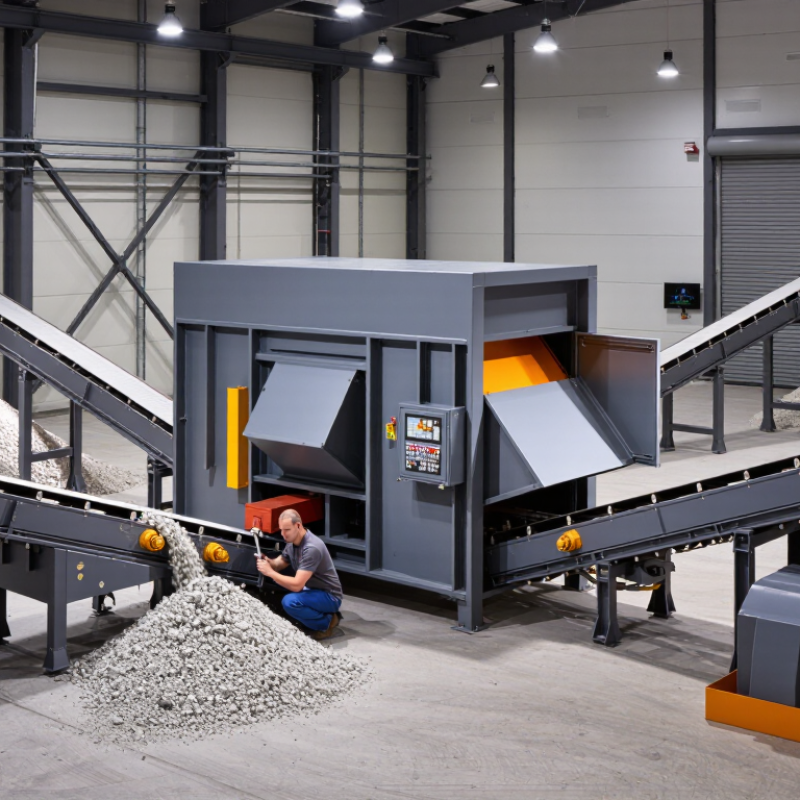
A fine jaw crusher reduces rock by squeezing it between a fixed jaw and a moving jaw. Its smaller discharge setting can produce a more controlled, smaller feed than a coarse jaw crusher. It is not a machine for making finished sand. Think of it as a size-reduction step, not the whole crushing process.

In a crushing line, screened or pre-sized material enters the crusher from a feeder. The crushed rock then moves to a screen, which separates usable sizes and returns oversize material for another pass. This setup can prepare feed for later crushing or improve size consistency. A flow diagram may look efficient, but wet, clay-rich feed can bridge at the opening and disrupt production. Check the actual material, not just the rated capacity.

Tips: Compare the feed’s largest pieces with the crusher’s opening, and confirm the target setting with the supplier. Watch the discharge during a trial run. Uneven rock sizes or rising power draw may signal a poor setting, worn jaws, or inconsistent feeding. Small details matter.
How to Define Capacity, Feed Size, and Required Output

How to Choose a Fine Jaw Crusher in 2026? The right choice starts with three numbers: hourly capacity, largest feed lump, and target product size. The USGS Mineral Commodity Summaries 2025 estimates U.S. crushed-stone production at about 1.5 billion tons in 2024. That scale is a useful reminder: aggregate plants handle substantial tonnage, but national output cannot predict one site’s crusher needs. Size for your own material and operating schedule.

Define capacity as the tonnes per operating hour you must actually deliver, not the machine’s headline maximum. Account for downtime, moisture, gradation, and material hardness; a steady belt of dry, evenly sized rock is not the same as a surge of wet, slabby feed. Measure the largest lumps and compare them with the crusher’s permitted feed opening. Then state the required product grading and closed-side setting (CSS). CSS is not a promise that every particle will be smaller than that setting, so allow for screening and recirculation. A calculation may still miss real-world variability.

Tips: Weigh belt samples across a full shift. Record feed size, moisture, and tonnes per hour. Ask suppliers to confirm capacity using your material data, not a generic table. Include a practical margin, but do not oversize blindly; it can raise energy use and cost.

How to Choose a Fine Jaw Crusher in 2026? — Define Capacity, Feed Size, and Required Output
Preliminary Application Planning Capacity Maximum Feed Size Typical Closed-Side Setting (CSS) Indicative Product Size Selection Considerations
Small pilot or laboratory operation Approximately 1–5 metric tonnes per hour Up to approximately 40–60 mm Approximately 3–10 mm Often a broad range of particles, commonly around 5–20 mm Confirm sample dimensions, required test throughput, and whether the discharge product needs screening or additional crushing.
Compact production line Approximately 5–20 metric tonnes per hour Up to approximately 80–120 mm Approximately 5–15 mm Often around 8–30 mm, depending on feed and setting Allow for feed variation and avoid sizing the crusher solely from its maximum stated capacity.
Small-to-medium industrial line Approximately 20–60 metric tonnes per hour Up to approximately 120–200 mm Approximately 8–20 mm Often around 12–40 mm, depending on material and operating conditions Check the crusher’s feed opening, motor power, wear-part selection, and the required output gradation.
Higher-throughput primary or secondary crushing line Approximately 60–150 metric tonnes per hour Up to approximately 200–300 mm Approximately 10–25 mm Often around 15–50 mm, depending on feed and setting Verify that the selected unit can handle the largest feed pieces and that downstream screens and conveyors can accept the flow.
Important: Capacity and product-size figures are preliminary planning ranges, not guaranteed machine ratings. Actual throughput depends on feed gradation, bulk density, hardness, moisture, clay content, feed consistency, crusher geometry, and the selected CSS. Maximum feed size should be checked against the specific crusher’s feed-opening dimensions; as a preliminary check, many applications keep the largest feed pieces below roughly 75–80% of the opening’s narrower dimension. CSS is the distance between the jaw plates at the discharge end when the jaws are closest. It is not the same as the maximum product size, and jaw crushers produce a range of particle sizes.
Capacity sizing check: Estimate the required hourly rate from the required daily tonnage and actual operating hours. For example, 240 tonnes per day over 8 operating hours requires an average of 30 tonnes per hour before adding allowance for downtime, feed interruptions, and material variability. Confirm the final selection with material testing and a crusher capacity curve for the intended feed and CSS.

Which Jaw, Drive, and Adjustment Features to Compare

A fine jaw crusher should match the feed material, target size, and daily operating conditions. Compare the jaw profile and chamber depth, not just the machine’s rated capacity. A narrow setting may produce finer material, but it can also reduce throughput and increase wear. Check the expected feed size and hardness against the crusher’s operating range. Small details matter.

The drive system affects control, energy use, and maintenance. Compare motor power with the load the crusher will actually handle, including starts under material and periods of uneven feeding. A direct drive may use fewer components, while a belt drive can offer flexibility in speed and servicing. Neither is automatically better. Ask how guards, belts, and motor mounts can be inspected safely, and whether routine parts are easy to access.

Adjustment features deserve close attention because settings change as jaw plates wear. Look for a clear, repeatable method for changing the discharge opening, plus readable indicators or documented measurement points. Hydraulic adjustment can make changes quicker, but check its service requirements and what happens during a power loss. Manual systems may take longer; they are not necessarily unreliable. Before choosing, compare the adjustment range with the particle sizes your process needs, then confirm how often operators should recheck the setting. Real plant conditions rarely stay perfectly consistent.

How to Check Power, Wear Costs, Safety, and Maintenance Needs

How to Choose a Fine Jaw Crusher in 2026?

A fine jaw crusher should match the feed material, target size, and expected daily operating hours. Ask for power data under a realistic load, not just the motor’s rated capacity. Compare energy use with your own material sample; hard, abrasive rock can change the numbers. Numbers can mislead.

Wear costs depend on how quickly jaw plates and other contact parts need replacement. Check plate material, thickness, replacement time, and the price of routine parts. Ask suppliers to explain their estimates and the conditions behind them. Treat unusually low wear projections with caution.

Safety and maintenance affect real operating costs. Check that guards cover moving parts and that service points are reachable without awkward lifting. Confirm the crusher can be isolated before inspection or repairs. Ask how often routine checks are needed, and whether common adjustments require special tools. A maintenance schedule may look tidy on paper, yet dust and uneven feed can complicate it. That matters. Review inspection records from a comparable site, if available, and note what remains uncertain before choosing.

How to Verify Supplier Support and Match the Crusher to Your Site

How to Choose a Fine Jaw Crusher in 2026?
How to Verify Supplier Support and Match the Crusher to Your Site

A fine jaw crusher must suit your material, feed size, and target product—not just its rated capacity. Ask the supplier to explain the recommended settings for your rock and show test results from comparable material. Check maximum feed dimensions, expected output range, and how moisture or flaky feed may affect performance. A tidy specification sheet is useful, but it cannot replace a realistic site assessment.

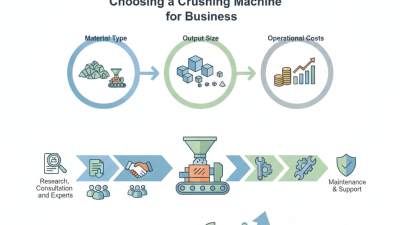
Verify support before you commit. Request clear details on commissioning, operator training, spare-part availability, and typical response times. Ask which wear parts should be kept on site and how often they may need replacement under your expected workload. Speak with a reference customer if possible. A supplier’s answer may sound reassuring; practical details matter more. Also compare the crusher’s footprint, foundation needs, power supply, access for maintenance, and connection to your existing conveyor or screen. Small layout oversights can become expensive.

Tips: Share photos, a site plan, and representative material samples with the supplier. Confirm service access around the machine, not only its installed footprint. Ask for assumptions behind capacity estimates. Then check them against your operating conditions. One detail is easy to miss: who handles troubleshooting after installation? Make that responsibility clear in writing.

How to Choose a Fine Jaw Crusher in 2026?

Verify supplier support and match the crusher to your site.

Suggested evaluation weights for comparing options—not manufacturer specifications or industry-wide benchmarks. Confirm feed size, required throughput, product size, installation footprint, and service arrangements against your material, site measurements, and written supplier documentation. Adjust the weights to reflect your project priorities.