Leave Your Message
A 2026 Fine Impact Crusher price is not a single number. It depends on the machine’s capacity, rotor design, motor power, wear parts, and included equipment. A compact unit for a small processing line may cost far less than a larger model built for continuous production. The headline price alone rarely tells the full story. That matters.
This guide explains what can shape purchase costs and how to compare supplier quotations with care. Check the specified feed size, expected output range, and required finished-particle size against your actual material. Hard, abrasive rock can increase wear-part expenses, while wet or inconsistent feed may affect operating performance. Ask whether the quoted package includes installation support, spare parts, electrical components, and delivery. These details can change the total investment.
Compare like with like. Request written specifications and clarify what each warranty covers, including its duration and exclusions. Ask suppliers for references or application examples involving similar materials, but verify that the conditions match your own. A low initial price may be reasonable—or it may leave important costs outside the quote. Not always obvious.
Before choosing a Fine Impact Crusher, estimate ongoing expenses such as energy use, routine maintenance, and replacement blow bars. Also consider access for servicing and the space required around the machine. No buying guide can predict every site condition. Treat estimates as starting points, confirm assumptions with qualified suppliers, and revisit them when your feed or production target changes. The best value is the option that fits your operation, not simply the lowest listed price.
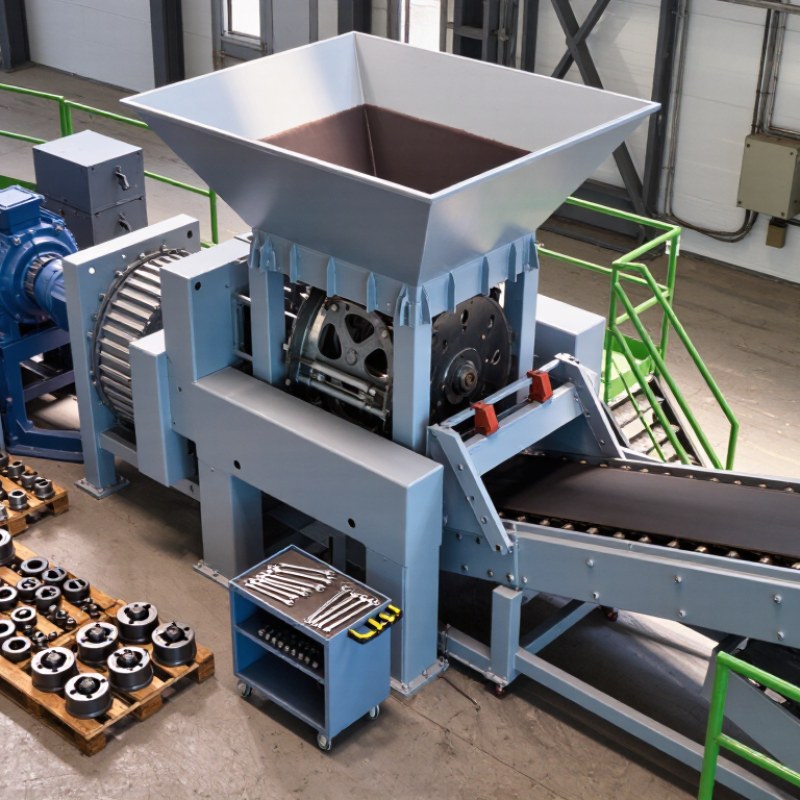
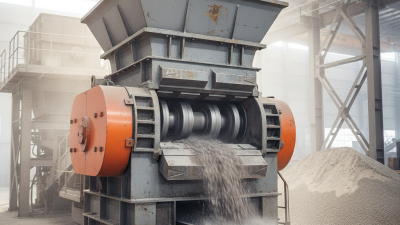
A fine impact crusher is a machine designed to reduce rock and other suitable materials into smaller, more uniform pieces. It uses high-speed impact rather than relying only on slow compression. The feed enters a crushing chamber, where a rotating rotor carries blow bars or similar impact elements. These strike the material and throw it against impact plates. That matters.
As the rock breaks, smaller pieces may be struck again before leaving the chamber. The gap between the rotor and impact plates helps influence the product size, but it does not determine it alone. Feed hardness, moisture, shape, and the machine’s operating speed also affect the result. A dry, brittle sample can behave very differently from damp, abrasive stone. Not every feed behaves alike.
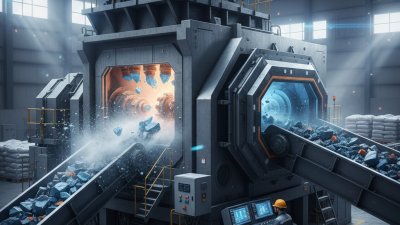
In practice, the neat diagram is not the whole story. Operators check the discharge material and listen for changes in the machine’s sound, then adjust settings or feed rate when needed. Wear on the blow bars and impact plates can gradually change performance, so regular inspection is important. A fine impact crusher can produce a useful, consistent product when properly matched to the material, but very hard or highly abrasive feed may increase wear and operating costs. The right setup takes testing.
Price note: The USD figures below are indicative planning ranges for new equipment, not verified market averages or supplier quotations. Actual prices depend on configuration, capacity, materials, region, freight, taxes, installation, and included components.
| Topic | Typical information | Buying or operating note |
|---|---|---|
| What it is | A crusher that uses a rapidly rotating rotor and impact elements to break material, often for secondary or tertiary crushing and particle shaping. | “Fine” describes the intended reduction and product; exact capabilities vary by machine design and feed material. |
| How it works | Feed enters the crushing chamber, is struck by rotor-mounted blow bars, and may be further reduced against adjustable impact aprons before leaving through the discharge. | Apron settings, rotor speed, feed size, and material properties affect the product size and throughput. |
| Common applications | Crushing suitable, relatively low-abrasion rock; producing aggregates; and processing certain recycled mineral materials. | High abrasiveness, moisture, clay content, and contamination can affect wear, clogging risk, and suitability. Confirm against a material sample. |
| Indicative small-unit budget | Approximately US$8,000–25,000 for a basic, compact unit. | Capacity and included motor, controls, and wear parts differ widely; confirm what the quoted price includes. |
| Indicative mid-size budget | Approximately US$25,000–80,000 for a larger fixed or skid-mounted configuration. | Request a written specification showing rated capacity, maximum feed size, drive power, and included auxiliaries. |
| Indicative high-capacity budget | Approximately US$80,000–250,000+ for larger industrial configurations or more complete systems. | Installed systems may also require feeders, conveyors, screening, foundations, electrical work, and commissioning. |
| Capacity | Capacity is model- and application-specific; supplier ratings are commonly stated in tonnes per hour. | Treat rated capacity as a reference, not a guarantee. Ask for an estimate based on feed grading, target product, moisture, and operating hours. |
| Product size and shape | Impact crushing can produce a more cubical particle shape in suitable applications, but final gradation depends on the complete circuit. | Ask for a product gradation estimate and clarify whether a screen or recirculation loop is needed to meet the specification. |
| Wear components | Common wear items include blow bars and impact aprons or liners. | Compare wear-part material options, expected service intervals for your feed, replacement time, and local parts availability. |
| Power and installation | Power requirements depend on crusher size, drive arrangement, and operating conditions. | Check motor rating, voltage and frequency compatibility, starting method, foundation needs, guarding, and site access before ordering. |
| Quote checklist | Request the model specification, scope of supply, warranty terms, delivery basis, commissioning details, and spare-parts list. | Compare total delivered and installed cost—not only the crusher purchase price—and confirm exclusions in writing. |
All prices are rough budgeting examples in US dollars. Obtain current, itemized quotations for the intended material, location, and plant configuration.