Top 10 Uses of Semi-Continuous Ball Mill in Global Industry?
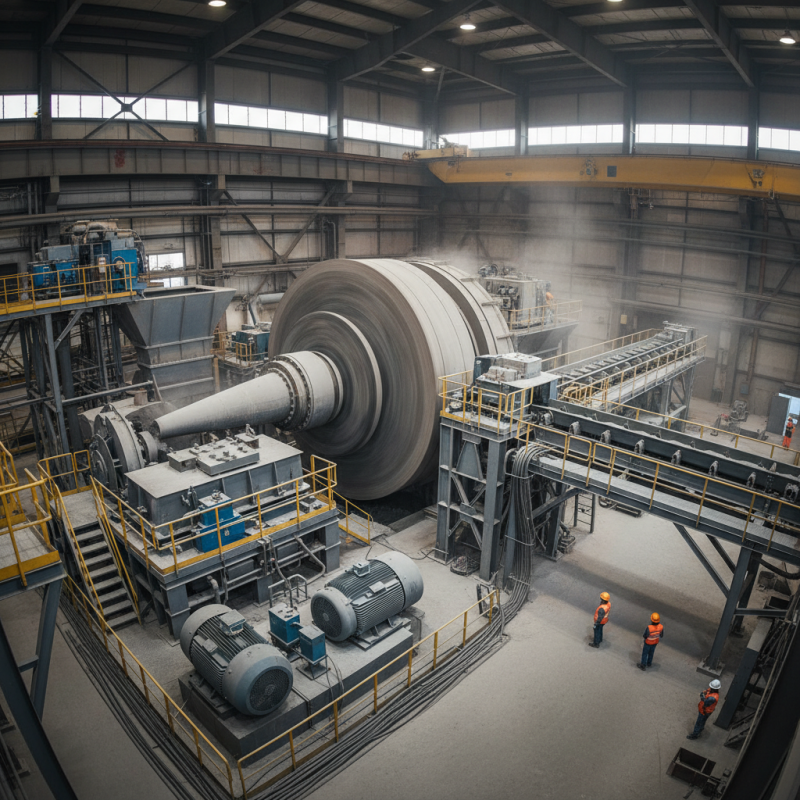
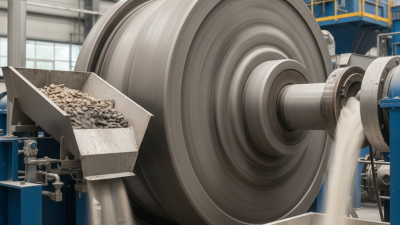
The "Semi-Continuous Ball Mill" has emerged as a pivotal component in various global industries. This innovative machinery strikes a balance between continuous and batch processing. Its unique design allows for significant efficiency while maintaining product quality.
Industries ranging from mining to pharmaceuticals benefit from this technology. The Semi-Continuous Ball Mill enhances production rates, reduces costs, and ensures consistent results. Users often find that the ability to process materials in varying sizes is a major advantage.
However, even with its benefits, challenges remain. Some manufacturers struggle with maintenance issues or the initial investment costs. Recognizing these potential pitfalls is crucial for those considering this technology. Despite its flaws, the Semi-Continuous Ball Mill continues to redefine industry standards and push the limits of production capabilities.
Applications of Semi-Continuous Ball Mill in Mineral Processing
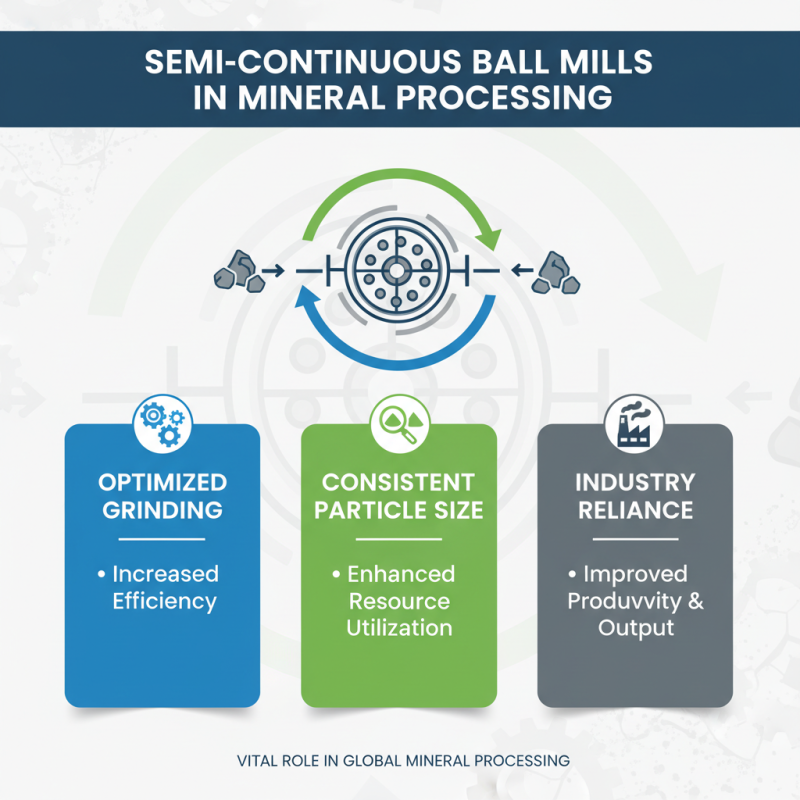
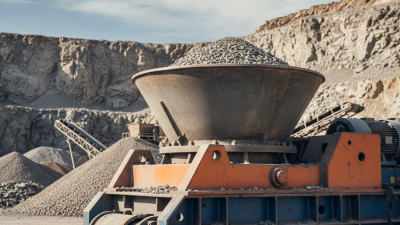
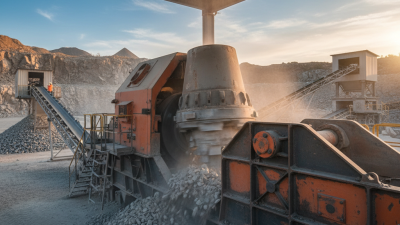
In the global mineral processing industry, semi-continuous ball mills play a vital role. They optimize the grinding process, leading to increased efficiency and consistent particle size reduction. This is essential for getting the most out of raw materials. Industries rely on these mills for better resource management and enhanced productivity.
The design of semi-continuous ball mills allows for greater flexibility in processing different types of ores. They can handle varying feed rates and work effectively with both hard and soft materials. However, the challenge lies in maintaining the balance between speed and quality. An excessive milling rate may lead to product degradation. It's crucial to monitor and adjust operational parameters to avoid this pitfall.
In mineral processing, achieving the desired granulation size is vital. The semi-continuous ball mill's ability to finely grind minerals aids in better recovery rates during extraction. Yet, optimizing the milling process can be complex. Operators must continually evaluate performance and make necessary adjustments to the setup. This ongoing refinement is essential for maximizing efficiency and ensuring that the products meet industry standards.
Role of Semi-Continuous Ball Mill in Cement Production Efficiency
The semi-continuous ball mill plays a significant role in enhancing the efficiency of cement production. This machinery allows for continuous feeding and discharging of materials, optimizing the grinding process. It reduces production time while ensuring consistent quality. The mill's design features foster better circulation of materials, which leads to improved particle size distribution.
In cement production, time and energy efficiency are critical. Semi-continuous ball mills utilize less energy compared to traditional methods. This efficiency translates to reduced operational costs, which is crucial for manufacturers. However, maintaining optimal performance can be challenging. Operators must regularly calibrate the machine to prevent wear and ensure longevity.
Moreover, the flexibility of semi-continuous ball mills permits the processing of various materials. This adaptability enhances production capabilities. Yet, inconsistencies in input material can impact the final product quality. Operators should monitor raw materials to maintain standards. A balance between innovation and quality control is essential for sustainable production.
Advantages of Using Semi-Continuous Ball Mill in Chemical Manufacturing
Semi-continuous ball mills have gained traction in the chemical manufacturing sector. These mills combine batch and continuous processing features. This hybrid approach improves efficiency and consistency in product quality. It allows for a seamless flow of materials, reducing downtime often associated with traditional batch processing.
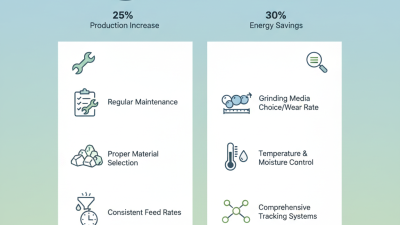
The advantages of using semi-continuous ball mills are evident in several industry reports. According to a study by the International Journal of Chemical Engineering, the use of semi-continuous mills can enhance production rates by up to 30%. This increase is crucial for meeting rising global demand. Moreover, these mills reduce energy consumption. They often consume 20% less energy compared to conventional ball mills.
Additionally, the semi-continuous system offers better control over particle size and distribution. This precision is critical in industries such as pharmaceuticals and specialty chemicals. However, transitioning to a semi-continuous process can pose challenges. It requires investment in new technologies and staff training. Many manufacturers still rely on older systems, resulting in varying product quality. Balancing innovation with resource allocation remains an ongoing challenge in the industry.
Top 10 Uses of Semi-Continuous Ball Mill in Global Industry
| Application |
Industry |
Benefits |
Production Efficiency (%) |
| Grinding of Raw Materials |
Cement |
High uniformity and quality |
85% |
| Metallic Ore Grinding |
Mining |
Increased recovery rates |
90% |
| Preparation of Pigments |
Coatings |
Consistent particle size |
78% |
| Ceramics Production |
Ceramic |
Enhanced material properties |
80% |
| Chemical Formulations |
Pharmaceuticals |
Controlled mixing |
88% |
| Recycling of Materials |
Waste Management |
Resource recovery |
82% |
| Food Processing |
Food & Beverage |
Improved flavor profiles |
86% |
| Mineral Dressing |
Metallurgy |
Improved yield |
92% |
| Paint and Ink Production |
Manufacturing |
Better dispersion |
84% |
| Glass Production |
Glass |
Consistent quality |
79% |
Impact of Semi-Continuous Ball Mill on Food Processing Industries
The semi-continuous ball mill is revolutionizing the food processing industries. This machine offers flexibility and efficiency, essential for producing high-quality food products. It allows for continuous operation while maintaining precise control over the milling process. Each batch can be finely tuned to meet specific texture and consistency requirements. This adaptability is crucial, especially in a market driven by consumer preferences.
In food processing, the semi-continuous ball mill optimizes particle size reduction. For example, grinding spices or nuts achieves a finer consistency than traditional methods. This results in improved flavors and better product stability. Moreover, the machine's design minimizes heat generation, preserving the quality of heat-sensitive ingredients. However, making the most of this technology requires skilled operators who understand its nuances.
Quality control remains a challenge. While the semi-continuous ball mill enhances efficiency, ensuring uniformity can be tricky. Inconsistent feedstock or improper settings may compromise the final product. Continuous monitoring and adjustments are vital. Companies must invest in training to harness this technology fully. Without proper expertise, there’s a risk of subpar outcomes. The potential is vast, but executing it perfectly demands diligence and expertise.
Innovative Uses of Semi-Continuous Ball Mill in Recycling Efforts
The semi-continuous ball mill is transforming recycling processes across various industries. This innovative machine enhances the efficiency of material recovery. It effectively processes a wide range of materials, from metals to plastics. By optimizing size reduction, it ensures better resource recovery. The tool reduces waste volume significantly, promoting a circular economy.
In recycling, the semi-continuous ball mill plays a critical role. Its design allows for continuous feed and discharge, improving operational flow. As materials are ground, impurities are separated. This separation can lead to higher purity levels, attracting eco-conscious consumers. However, the technology faces challenges, such as energy consumption and maintenance needs.
Adapting to these technology limitations is essential for success in recycling endeavors. Companies must balance efficiency with sustainable practices. They should continually evaluate the machine’s performance and make necessary adjustments. This ongoing improvement will enhance resource recovery and environmental benefits, ultimately redefining industry standards.
Top 10 Uses of Semi-Continuous Ball Mill in Global Industry
This chart illustrates the top uses of semi-continuous ball mills across various industries. The data highlights the relative frequency of use for each application, showing that cement production is the most prevalent use, followed by mineral processing and recycling metals.