What is a Fine Jaw Crusher and How Does it Work?
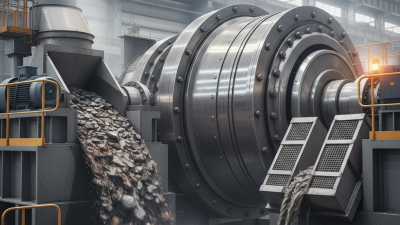
A Fine Jaw Crusher is a pivotal machine in the aggregates and mining industries. It specializes in crushing materials with precision, enhancing productivity in various operations. These crushers are designed for optimal efficiency, demonstrating how essential they are to modern processing plants.
The mechanics of a Fine Jaw Crusher are straightforward yet effective. It employs a two-jaw configuration that crushes materials through compression. This method not only promotes high reduction ratios but also ensures a consistent size of the output material. Such consistency is crucial for downstream processes.
However, the application of a Fine Jaw Crusher is not without its challenges. Operators must ensure the right settings to avoid wear and tear. Regular maintenance is necessary for sustained performance. Understanding its limitations helps maximize the effectiveness of this equipment. Insights into its functions empower users to improve their operations, making the Fine Jaw Crusher a valuable asset in any crushing application.
What is a Fine Jaw Crusher?
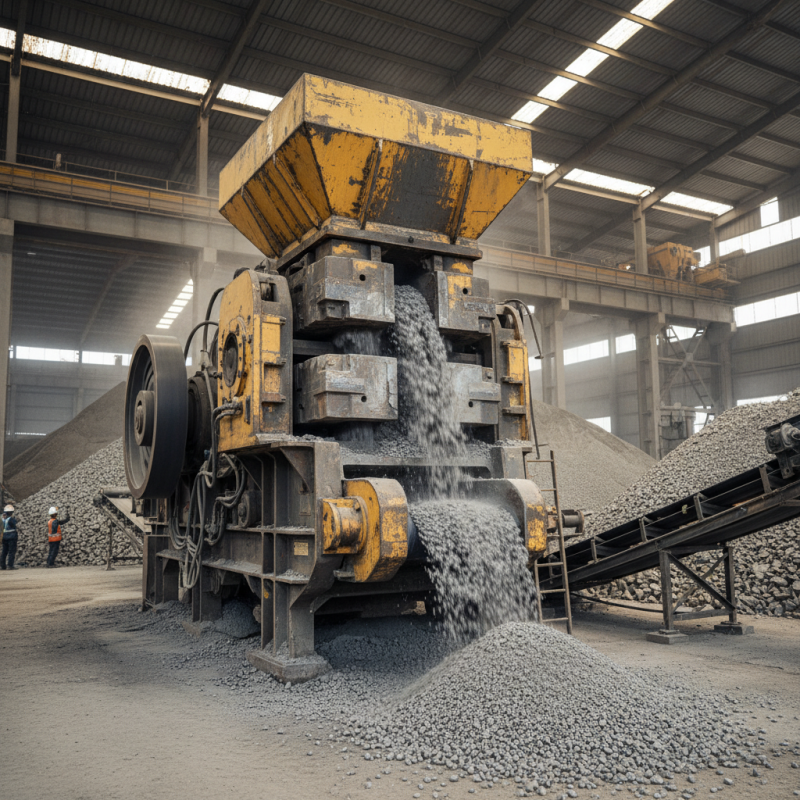
A fine jaw crusher is a specific type of crushing equipment designed to break down materials into smaller, more manageable pieces. These machines are widely used in mining, quarrying, and recycling industries. They excel at producing fine aggregates, crucial for concrete and asphalt production. The jaw mechanism consists of two plates that oscillate and crush materials during operation. This compact design allows for efficient crushing and ensures high output.
When choosing a fine jaw crusher, consider its crushing capacity and size. Different models accommodate various materials and sizes. Improper selection can lead to inefficiencies. For instance, if the material is too hard, the machine may struggle to deliver desired results. Maintenance is vital for performance. Regular checks on wear parts can prevent unexpected downtime.
Tips: Always monitor the input material size. Too large of a feed can cause blockages. Ensure the crusher is aligned correctly for uniform wear. This can significantly improve longevity and effectiveness. Remember, each model has its limits. Understanding these can lead to better decision-making when it comes to production needs.
Key Components of a Fine Jaw Crusher
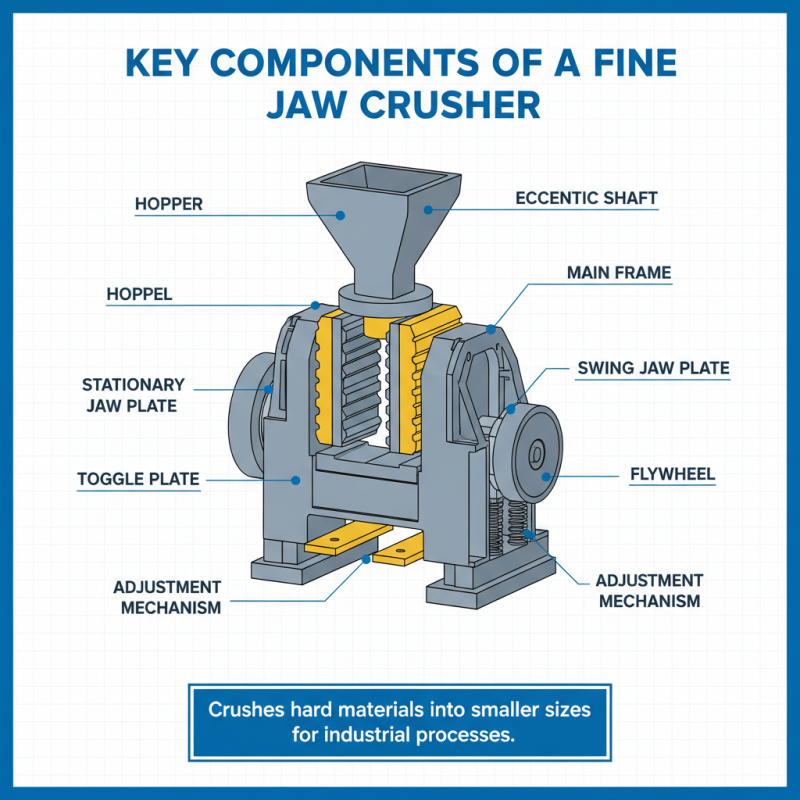
A fine jaw crusher is an essential piece of equipment in many industrial processes. It is primarily used to crush hard materials into smaller sizes. Understanding its key components is crucial for optimizing its performance.
The frame of the fine jaw crusher provides the necessary sturdiness. Made from high-quality materials, it withstands significant stress. The crushing chamber is where the magic happens. It features plates that help to break down the material effectively. These plates can wear out over time, leading to inefficiency. Regular maintenance and inspections are key to avoiding this issue.
The motor drives the entire operation. It powers the eccentric shaft, causing the jaw to move. This movement creates a gap that allows crushed materials to exit. The toggle plate serves as a safety feature. If the machine encounters an uncrushable object, the toggle plate will break. This prevents damage to the machine, but it also means downtime for repairs. Familiarity with these components ensures better operation and fewer surprises along the way.
Working Principles of a Fine Jaw Crusher
A fine jaw crusher is a critical piece of equipment in mining and construction. Its primary function is to reduce large rocks into smaller, manageable sizes. The working principle is straightforward yet effective. A movable jaw plate compresses material against a fixed jaw plate. This action fractures the material into smaller pieces. The crushed product is discharged from the machine, ready for further processing.
Understanding the mechanics behind a fine jaw crusher can enhance its efficiency. The angle between the toggles affects the crushing power. A good setting ensures optimal size reduction. Rocks enter at the top and exit through the bottom. This continuous cycle allows for consistent output.
**Tip:** Regular maintenance is key. Inspect the jaw plates for wear. Replace them when necessary to maintain performance. Proper lubrication of moving parts is paramount. It can prevent overheating and prolong the machine's lifespan.
**Tip:** Always adhere to safety protocols. Fine jaw crushers can operate under high pressure. Ensuring that operators wear protective gear is essential. A small oversight can lead to significant accidents. Consider training sessions for all personnel. This will enhance safety awareness and operational efficiency.
What is a Fine Jaw Crusher and How Does it Work?
| Feature |
Description |
| Crushing Ratio |
Up to 20:1 |
| Feed Size |
150 mm - 300 mm |
| Output Size |
20 mm - 80 mm |
| Operating Principle |
Crushing by compression, with a fixed jaw and a movable jaw. |
| Applications |
Mining, construction, and recycling industries. |
| Maintenance |
Regular checks on jaw wear, lubrication, and tightness of bolts. |
Applications of Fine Jaw Crushers in Industry
Fine jaw crushers play a crucial role in various industrial applications. These machines are designed for reducing the size of hard rocks and minerals. Industries such as mining, metallurgy, and construction benefit significantly from their efficiency. According to a report by Grand View Research, the global jaw crusher market size is projected to reach USD 1.8 billion by 2027, driven by the growth of construction and mining activities.
In mining, fine jaw crushers are used for ore processing. They help convert raw materials into smaller sizes, making it easier to extract valuable minerals. The mineral processing market is expected to witness a CAGR of 3.5% from 2020 to 2027. This is mainly due to increasing demands for metals and minerals in various sectors. Similarly, in construction, fine jaw crushers ensure materials like granite and limestone are properly sized for use in concrete production. This technique is essential in optimizing the overall efficiency of construction projects.
However, some challenges persist. Maintenance can be demanding and often requires expert technicians. Downtime due to maintenance could lead to productivity loss. Additionally, not every fine jaw crusher performs optimally under all conditions. Operators must be aware of their specific needs when choosing a model for different applications. This highlights the importance of understanding the operational environment and selecting appropriate machines accordingly.