2026 How to Efficiently Grind Ultrafine Iron Oxide?
In the realm of advanced materials, ultrafine iron oxide is gaining attention. Experts emphasize the significance of efficient grinding processes for this key component. Dr. Emily Chen, a leading authority in material science, states, “Precision in ultrafine iron oxide grinding determines its effectiveness in applications.”
Ultrafine Iron Oxide Grinding is not just about reducing particle size. It involves achieving consistency and quality. The grinding process impacts the performance of iron oxide in various industries, from pigments to catalysts. Achieving the right particle distribution is crucial. Many find it challenging to balance efficiency with quality control.
Additionally, common grinding methods may yield inconsistent results. Factors such as equipment choice and operational parameters play a significant role. Dr. Chen’s insights highlight the need for continual refinement in grinding techniques. The industry must reflect on choices made during the grinding process. Each decision can significantly affect the outcome. Achieving the ideal particle size and distribution requires persistence and innovation.

Understanding Ultrafine Iron Oxide and Its Applications
Ultrafine iron oxide has gained attention for its diverse applications. It plays a crucial role in various industries, including coatings and electronics. The unique properties of ultrafine particles enhance performance. They offer improved color stability and UV resistance in paints. This makes them popular in automotive and industrial coatings.
The production of ultrafine iron oxide requires precise techniques. Traditional grinding methods often fall short. They can produce uneven particle sizes and lead to contamination. New methods, such as wet milling and high-energy ball grinding, show promise. These techniques help achieve a consistent particle distribution. Yet, challenges remain in scaling these methods for large-scale production.
Applications extend beyond coatings. Ultrafine iron oxide is also used in electronics and catalysis. In electronics, it enhances magnetic properties, improving device performance. Catalysts benefit from the high surface area of ultrafine particles. This boosts reaction efficiency. Reflecting on these advancements, it’s clear we need to explore more innovative production techniques. The potential applications keep expanding, but we must address the shortcomings in current grinding methods.
Choosing the Right Grinding Techniques for Ultrafine Iron Oxide
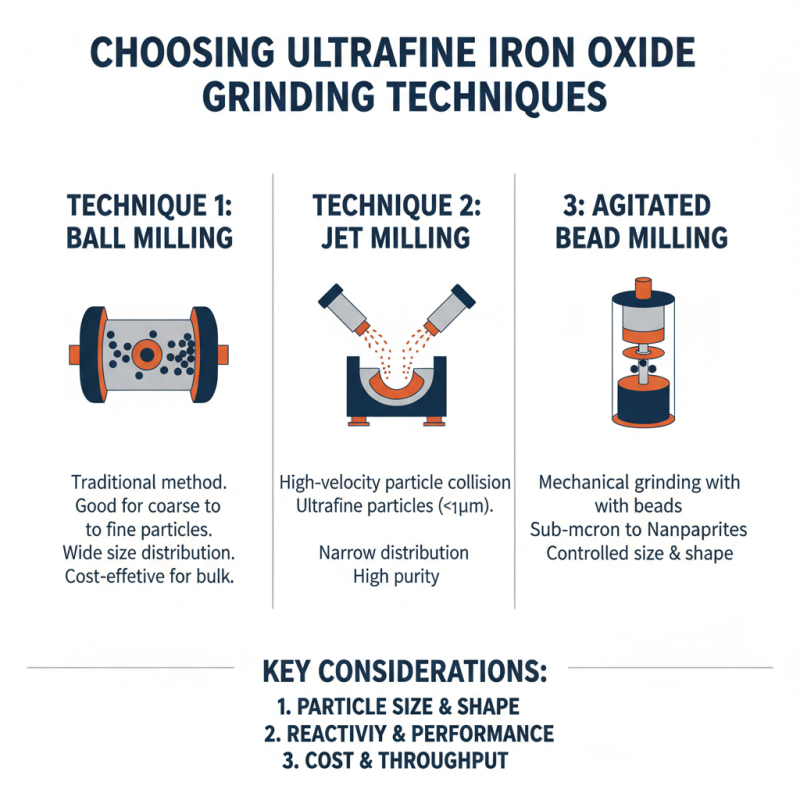
Choosing the right grinding technique for ultrafine iron oxide is crucial. The size, shape, and chemical properties of the particles can significantly affect their reactivity and performance in various applications. Different techniques yield varied results. Understanding these differences helps in making informed decisions.
Mechanical grinding is a popular method. It often uses ball mills or jet mills. These mills can produce ultrafine particles effectively. However, they may generate heat and lead to agglomeration. Proper cooling and process control are essential to avoid these issues. Another method, high-energy milling, can be more effective for achieving desired particle sizes. While it produces finer particles, it might also introduce impurities.
In addition to mechanical methods, consider chemical and electrochemical techniques. These can sometimes enhance particle properties, offering better dispersion and stability. Experimental validation is vital, as results may vary. Testing different techniques will help identify the most efficient method for specific requirements. Always be ready to adapt and refine your approach based on observed outcomes.
Key Equipment and Tools for Efficient Ultrafine Grinding
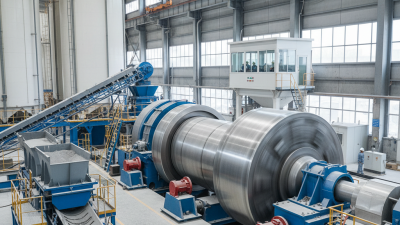
Efficient ultrafine grinding of iron oxide requires the right tools and equipment. Ball mills are often a go-to option. They provide high energy and control over particle size. However, using them can result in long processing times. It’s essential to find the right balance between speed and quality.
Another effective tool is the jet mill. This equipment uses compressed air to achieve ultrafine particle size. The process can be more efficient compared to traditional grinding methods. However, these machines require significant maintenance and operational know-how. Proper training on the use of jet mills ensures better efficiency.
Additionally, high-pressure roller mills are gaining traction. They can compress materials effectively to create fine particles. Yet, their setup can be complex and the initial investment high. Regular calibration is necessary to maintain performance. Understanding the nuances of each machine is vital to optimize the grinding process.
2026 How to Efficiently Grind Ultrafine Iron Oxide? - Key Equipment and Tools for Efficient Ultrafine Grinding
| Equipment/Tool |
Type |
Capacity (kg/h) |
Energy Consumption (kWh) |
Particle Size Range (μm) |
| Jet Mill |
Mechanical |
50 |
30 |
1 - 10 |
| Ball Mill |
Mechanical |
100 |
50 |
5 - 25 |
| Air Classifier |
Air |
70 |
20 |
0.5 - 15 |
| Ultrasonic Mill |
Ultrasonic |
30 |
25 |
1 - 12 |
| Vortex Mill |
Mechanical |
60 |
40 |
2 - 8 |
Optimizing Grinding Parameters for Enhanced Efficiency
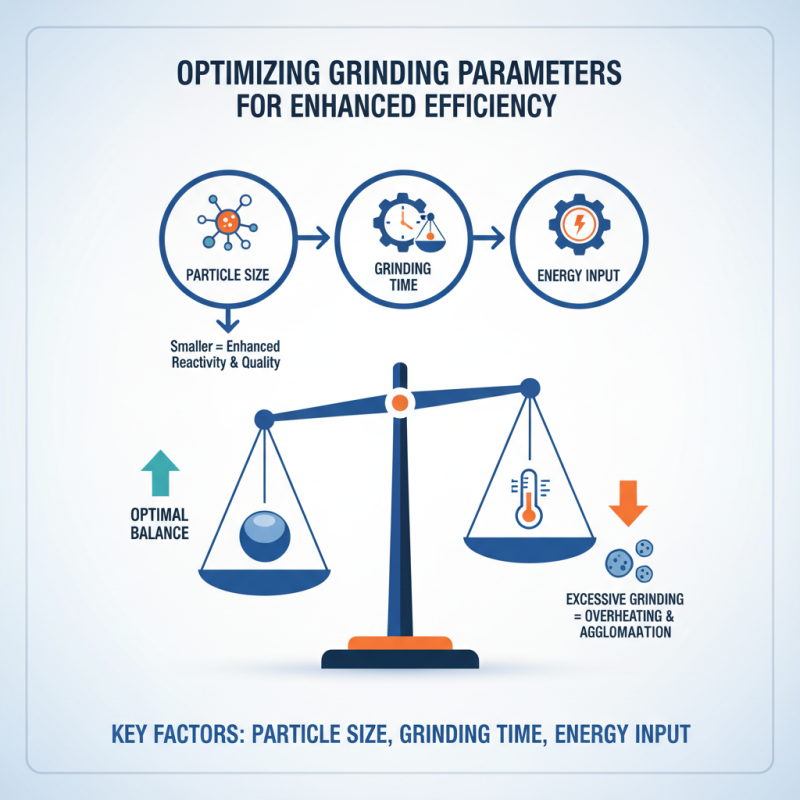
Efficient grinding of ultrafine iron oxide relies heavily on optimizing grinding parameters. Key factors include particle size, grinding time, and energy input. A smaller particle size often leads to enhanced reactivity and quality. However, achieving the right balance is challenging. Excessive grinding can lead to overheating and agglomeration, undermining the desired results.
A pilot study showed that varying grinding times affected the final product's uniformity. Longer grinding periods sometimes caused the iron oxide to clump together instead of breaking apart. Implementing a controlled environment for grinding can minimize these issues. Testing different grinding speeds is essential to discover optimal conditions.
Moreover, the choice of grinding media plays a crucial role. Different materials react uniquely with iron oxide. Some may introduce contaminants, while others enhance the grinding process. Regular evaluation of the grinding medium’s performance is vital. This reflection ensures a consistent output while reducing waste. Optimizing these parameters helps achieve a high-quality product in the ultrafine iron oxide market.
Quality Control and Characterization of Ultrafine Iron Oxide Products
The production of ultrafine iron oxide calls for robust quality control and precise characterization techniques. According to recent industry reports, the global demand for ultrafine iron oxide is projected to grow by 5.6% annually until 2026. This growth is primarily due to its applications in pigments, cosmetics, and electronic devices, creating a need for stringent quality assurance throughout the production process.
Effective characterization methods include particle size analysis, morphology examination, and purity assessment. Techniques such as scanning electron microscopy (SEM) and X-ray diffraction (XRD) are crucial for defining the physical and chemical attributes. Ensuring a particle size of less than 100 nm can significantly enhance performance in various applications. Yet, achieving such low sizes consistently is often challenging. Variability in raw materials can lead to discrepancies in product quality. It's vital to monitor the entire grinding process closely.
**Tip:** Implement real-time monitoring systems to track size distribution during grinding.
Visual inspections and batch testing can further ensure that the ultrafine iron oxide meets international safety standards. Always document findings to refine processes continually. While advanced technologies exist, they require skilled personnel. Developing training programs for operators can mitigate risks linked to human error.
**Tip:** Regular audits can uncover discrepancies in quality control measures.
2026 How to Efficiently Grind Ultrafine Iron Oxide?