How to Choose the Best Semi-Continuous Ball Mill for Your Needs?
Choosing the right Semi-Continuous Ball Mill can significantly impact your production efficiency. This advanced milling technology combines features of both batch and continuous milling. A recent market report by Technavio highlights that the semi-continuous ball mill market is expected to grow by 4.5% annually over the next five years. This data emphasizes the importance of selecting a suitable mill for various industries, from mining to pharmaceuticals.
Dr. Emily Zheng, a seasoned expert in milling technology, asserts, “A well-chosen Semi-Continuous Ball Mill can optimize throughput and reduce operational costs.” This statement reflects the growing recognition of the semi-continuous design's benefits. Yet, choosing the best option can be daunting, given the myriad of choices available. Understanding your needs and the specific requirements of your production process is crucial.
Consideration must be given to the material characteristics and desired particle size. It's important to evaluate various models and their capabilities thoroughly. A poorly selected mill can lead to inefficiencies and increased wear. The semi-continuous design may not be suitable for every operation. Therefore, assessing your unique circumstances will help you make a well-informed decision.
Understanding the Basics of Semi-Continuous Ball Mills
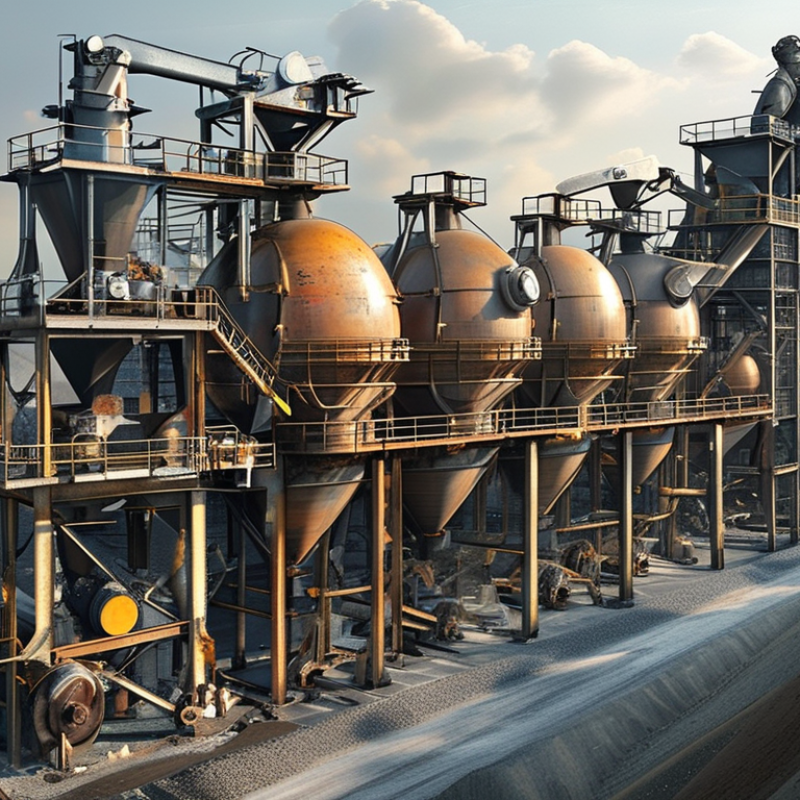
When exploring semi-continuous ball mills, it’s essential to grasp their fundamental operating principles. These machines blend intermittent and continuous processes. They enable efficient material grinding while maintaining productivity. Understanding their mechanics can help users optimize their operations and enhance output quality.
The semi-continuous design allows for greater flexibility. Materials can be introduced gradually, which reduces waste and improves the consistency of the end product. As you operate the mill, observing the feed rate will be crucial. If the feed is too fast, the grinding effectiveness might decline. Take note of any irregularities in material consistency; they can signal underlying issues.
Choosing the right size and type of mill depends on various factors. You need to evaluate the specific requirements of your production capacity. Additionally, consider the type of materials being processed. Each material might require different grinding times or techniques. It's a process of trial and error. Reflection on past experiences can guide future decisions.
Key Factors to Consider When Selecting a Ball Mill
Choosing the right semi-continuous ball mill requires careful consideration of several key factors. One essential aspect is the intended application of the mill. Different materials may require varied milling processes. Understanding the specific needs of your project will influence the selection significantly. It's vital to assess the size and characteristics of the materials you will be milling.
Another crucial factor is the mill's capacity and efficiency. Look into the throughput the machine can handle. You should also evaluate energy consumption and maintenance needs. An efficient mill will reduce operational costs in the long run. However, sometimes more efficient machines can be more complex, leading to higher maintenance. An investment in a high-capacity model may not always yield immediate returns.
Finally, consider the manufacturer's reputation and technical support. Research experts' opinions and user reviews to gauge reliability and service. If a machine has a high failure rate, it may cause unforeseen delays. Balancing these factors can be challenging. Be prepared to rethink your options based on real-world feedback and performance metrics. Choosing wisely means being informed and adaptable.
Evaluating Capacity and Size Requirements for Your Operations
When selecting a semi-continuous ball mill, evaluating capacity and size requirements is crucial. The right choice can enhance operational efficiency significantly. According to the International Journal of Mineral Processing, mills operate best within certain capacity ranges, usually between 5 to 30 tons per hour. Selecting a mill that does not align with operational demands often leads to underperformance or excessive energy consumption.
Consider the material characteristics. Different materials require distinct milling processes. For instance, a study published by the American Institute of Mining Engineers noted that hard materials may need higher energy input. Thus, it’s essential to match the mill's specifications to the material type. Inspecting features like mill diameter and length contributes to optimizing performance. A mill designed with unoptimized dimensions could result in inefficient grinding, affecting the final product's quality.
Moreover, operational scale plays a critical role in selecting the correct mill size. A mismatch can lead to operational bottlenecks. Larger mills might seem advantageous but could incur higher maintenance costs. Conversely, smaller mills may not meet production demands. An evaluation like this should take into account potential growth in production needs. Reflecting on historical data can help in making informed decisions. Understanding both immediate and future requirements will aid in selecting a suitable ball mill, balancing efficiency, capacity, and cost-effectiveness.
How to Choose the Best Semi-Continuous Ball Mill for Your Needs? - Evaluating Capacity and Size Requirements for Your Operations
| Model |
Capacity (tons/hour) |
Diameter (mm) |
Length (mm) |
Motor Power (kW) |
Weight (kg) |
Applications |
| Model A |
5 |
1000 |
1500 |
30 |
2000 |
Cement, Mining |
| Model B |
10 |
1200 |
1800 |
40 |
2500 |
Metallurgy, Chemical |
| Model C |
15 |
1400 |
2000 |
50 |
3000 |
Pharmaceuticals, Food |
| Model D |
20 |
1600 |
2500 |
60 |
3500 |
Recycling, Aggregate |
Assessing Material Compatibility and Process Efficiency
When selecting a semi-continuous ball mill, assessing material compatibility is crucial. Different materials react uniquely during grinding. For instance, brittle materials may require different milling parameters compared to elastic substances. It’s essential to evaluate how your materials behave under stress. This evaluation influences the mill's design and operational parameters.
Process efficiency should also guide your decision. Consider the desired particle size and throughput. Some mills excel in specific sizes while falling short in others. It’s important to align the mill's capabilities with the intended application. Refining these variables can be complex. Testing and adjusting settings might be needed to achieve optimal results. Even experienced operators encounter challenges when selecting the right machine.
Choosing the best equipment can feel overwhelming. Understanding the specifics of your materials and processes will help you make informed decisions. The right balance between compatibility and efficiency leads to better outcomes. Continuous reflection on the process can reveal inefficiencies and areas for improvement. Embrace the learning curve as you navigate this critical aspect of production.
Material Compatibility Assessment for Semi-Continuous Ball Mills
Budgeting: Cost Considerations for Semi-Continuous Ball Mills
When considering a semi-continuous ball mill, budgeting becomes crucial. The initial cost can vary widely based on specifications. Basic models may start at a lower price. More advanced options, however, can run significantly higher due to additional features. Factor in the long-term operating costs as well. Maintenance and energy consumption can impact your overall budget heavily.
Assessing the total cost of ownership will help make informed decisions. Consider how often you will use the mill and the scale of your operations. If production runs are frequent, investing in a more durable model could save you money. However, if your needs are minimal, a lower-cost alternative might suffice. It's important to reflect on the long-term investment rather than just the upfront price.
Researching reliable suppliers and understanding their warranties can also aid in the decision. Not every mill will deliver the same performance. Evaluating user reviews and industry comparisons can highlight potential pitfalls. Balancing cost with expected performance and reliability is key in this choice. An informed decision reduces the likelihood of buyer’s remorse later on.