Best Ball Mill For Cement in 2026 What You Need to Know?
In 2026, selecting the right Ball Mill For Cement is crucial for optimal productivity. Cement production requires specific grinding techniques. A high-quality ball mill can enhance efficiency and reduce energy consumption. Investing in the best equipment can make a significant difference in production costs.
Cement plants should focus on reliable technology. New advancements in ball mill designs are emerging. These innovations promise better performance and longer service life. Understanding these developments will help make informed decisions.
However, not all ball mills are created equal. Manufacturers vary in expertise and quality standards. It is essential to assess your operational needs carefully. Consider factors such as capacity, energy efficiency, and maintenance. Overlooking these details could lead to costly errors.
What is a Ball Mill and Its Role in Cement Production?
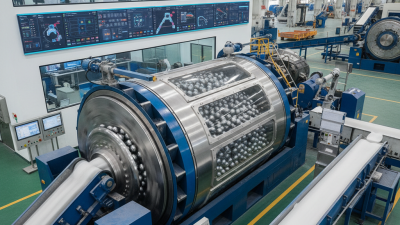
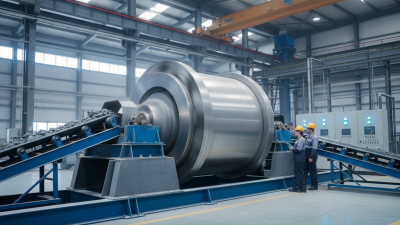
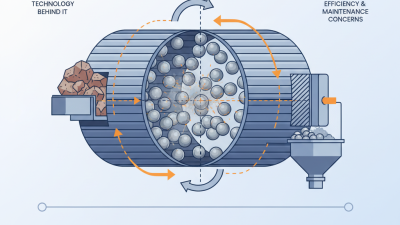
A ball mill is a crucial component in cement production. It grinds raw materials into a fine powder. This fine powder is essential for producing high-quality cement. The ball mill works by rotating a cylinder filled with steel balls. The rotation generates friction and impact, aiding in the grinding process.
In this process, the quality of the ball mill can significantly affect overall production efficiency. A well-designed mill can reduce energy consumption. It can also enhance the particle size distribution of the cement. However, not all ball mills perform equally. Certain designs may lead to uneven grinding, resulting in poor cement quality. This highlights the importance of regular maintenance and evaluation.
Modern ball mills incorporate advanced technologies. These innovations not only improve grinding efficiency but also optimize operational reliability. Despite advancements, some mills still face issues like wear and tear. Regular checks are vital to ensure peak performance. Selecting the best ball mill for your needs involves careful consideration of these factors. Optimal choices can lead to significant improvements in production.
Key Features to Consider When Choosing a Ball Mill for Cement
When selecting the best ball mill for cement, several key features stand out. The capacity of the mill is paramount. High-capacity mills can greatly enhance production efficiency. Efficiency in the grinding process also depends on the design of the mill. A well-structured design leads to better material flow and energy consumption.
The material quality is another crucial aspect. Durability can affect the long-term operation of the mill. Look for mills made of high-grade materials that withstand wear and tear. Additionally, monitor the technical specifications. Factors like the size of grinding media and rotational speed play a significant role in achieving optimal grinding results.
Maintenance requirements should not be overlooked. A mill that is easy to maintain saves time and costs. Ideally, the chosen mill should allow for quick replacements of parts. Environmental considerations, such as energy efficiency and noise levels, are also important in today's market. Balancing these diverse criteria can be challenging. Make sure to weigh all options carefully.
Top Manufacturers and Their Best Ball Mills for Cement in 2026
When it comes to cement production, the ball mill plays a crucial role. In 2026, top manufacturers are focused on enhancing efficiency and output. Advanced features are becoming standard. These innovations lead to consistent quality and reduced energy consumption.
Leading companies prioritize design and technology. They incorporate features like variable speed drives. These allow for better control over the milling process. Durability is another focal point. Modern materials increase the lifespan of these machines, leading to cost savings.
Despite these advancements, challenges remain. The market demands constant innovation. Manufacturers must adapt to shifting regulations and environmental concerns. As the industry evolves, continuous improvement is vital. Regular feedback and updates from users can provide insights for manufacturers. This dialogue helps refine designs and improve reliability.
Innovative Technologies Enhancing Ball Mill Efficiency for Cement
Optimizing ball mill efficiency for cement production involves several innovative technologies. Recent advancements include the use of advanced control systems. These systems utilize artificial intelligence to analyze real-time data. By improving the mill's operational parameters, they enhance energy use and reduce waste.
Another notable development is the incorporation of high-efficiency classifiers. These devices separate fine materials from coarse ones more effectively. Their design reduces energy consumption while ensuring optimal product quality. Utilization of wear-resistant materials in construction also leads to increased durability and reduced maintenance needs.
However, the implementation of these technologies is not without challenges. Initial investment costs can be significant. Some facilities may struggle with workforce training for new systems. Additionally, transitioning to new methods can disrupt existing operations temporarily. Evaluating these factors is essential for successful adoption. Integrating innovative technologies can ultimately transform cement production, but careful planning is required.
Future Trends in Ball Mill Design and Application for Cement Industry
The ball mill remains a cornerstone in the cement industry, evolving with technology and sustainability trends. As we look ahead to 2026, advancements in design are transforming operational efficiency. Reports indicate that energy efficiency can improve by up to 30% with modern ball mill innovations. Many companies are now integrating advanced materials and AI technologies.
The emphasis on reducing carbon footprints is reshaping mill application. A recent study highlights that facilities incorporating eco-friendly grinding technologies reported significant reductions in energy consumption. The future may see more mills designed to optimize material flow and minimize waste. This shift not only addresses environmental concerns but also enhances overall productivity.
However, there are challenges. Not all mills achieve the promised efficiency. Some installations struggle with consistent output quality. There’s a pressing need for ongoing research and development in this area. Commitment to better training and maintenance practices is essential for maximizing the potential of these new designs. Reflecting on past installations can provide valuable insights for future improvements.