What is a Ball Mill For Cement and How Does It Work?
In the world of cement production, the "Ball Mill For Cement" plays a crucial role. Renowned expert Dr. Emily Johnson, a prominent figure in materials engineering, states, "The efficiency of a ball mill directly impacts overall cement quality." This highlights its significance in the manufacturing process.
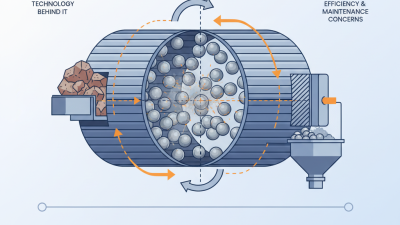
A Ball Mill For Cement is designed to grind raw materials into fine powder, essential for producing high-quality cement. The machine consists of a rotating cylinder filled with grinding balls. As the cylinder rotates, the balls crash into the raw materials, effectively breaking them down.
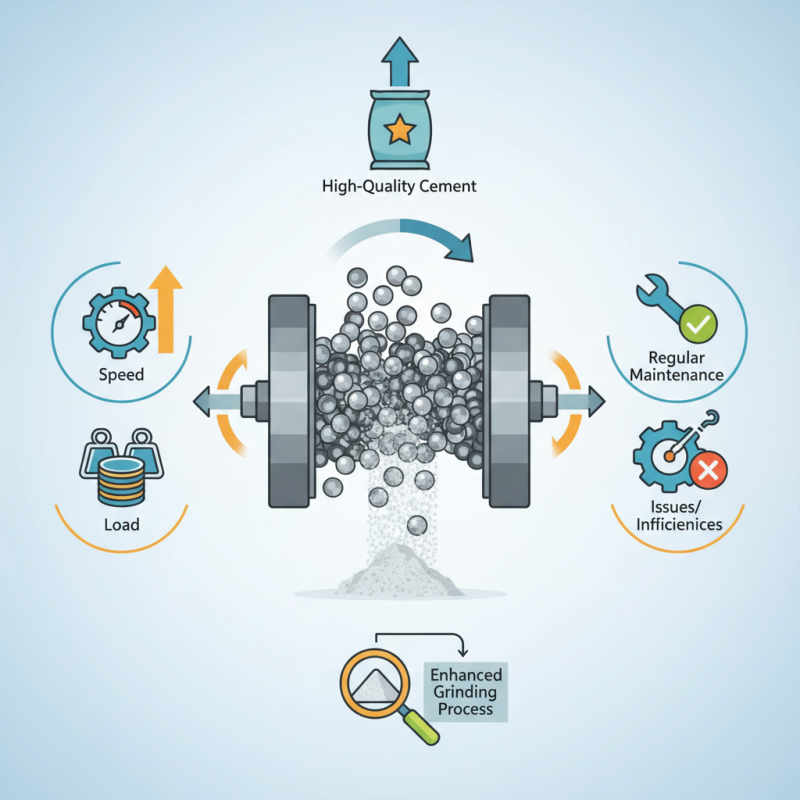
Successful operation of a ball mill depends on several factors like speed and load. Regular maintenance is vital. Issues can arise, leading to inefficiencies. Understanding these factors can enhance the grinding process and cement quality.
What is a Ball Mill in Cement Production?
A ball mill is a key component in cement production. It serves as a grinding device that crushes raw materials into fine powder. This powder is essential for forming clinker, the intermediate product in cement manufacturing. The ball mill operates through a rotating cylinder filled with grinding media, such as steel balls. As the cylinder rotates, the balls tumble and grind the material, achieving a consistent particle size.
In recent industry reports, it was noted that the efficiency of ball mills can greatly affect overall production capacity. A typical ball mill may spend around 30% of its energy on heat loss. This inefficiency can result in higher operational costs. Many reports suggest that optimizing the mill's settings can reduce energy consumption by up to 20%.
Despite advancements, ball mills still face challenges. Maintenance issues can arise due to the wear and tear of grinding media. Periodic assessments are crucial to ensure optimal performance. The need for regular monitoring and adjustment cannot be overlooked. Improving ball mill performance remains a priority for many in the cement industry.
The Role of a Ball Mill in the Cement Manufacturing Process
The ball mill plays a vital role in the cement manufacturing process. It is a cylindrical device that rotates to grind materials. The main purpose is to reduce the size of limestone, clay, and other ingredients. This grinding enhances the surface area for the subsequent chemical reactions.
In the production line, the mill operates continuously, combining raw materials with water. This mixture forms a slurry before being sent to the kiln. Inside the ball mill, steel balls collide with the raw materials. This impact leads to the breakdown of particles, which improves the homogeneity of the blend. However, not all mills operate at optimal efficiency. Some may have wear and tear, leading to inconsistent output.
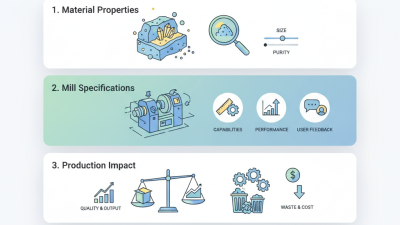
Moreover, the energy consumption in ball mills can be substantial. Operators must monitor performance closely. Over time, adjustments may be needed to maintain production standards. Small inefficiencies can lead to increased costs and waste. Regular maintenance is crucial yet often overlooked. A focus on these aspects can enhance overall production quality.
Components of a Ball Mill and Their Functions
A ball mill is a vital component in cement production. It helps in grinding raw materials into a fine powder. Understanding its components is essential for optimizing its performance.
The drum serves as the main body of the ball mill. It's usually cylindrical and facilitates the rotation during operation. Inside the drum are grinding balls. These balls vary in size and material. They collide with the raw mixture, breaking down the particles. The impact and friction generated are crucial for the milling process.
Another important component is the liner. This material protects the drum and enhances the efficiency of grinding. Liners also assist in minimizing wear and tear. The mill's drive system powers the rotation. It includes motors and gears that need regular maintenance. A well-maintained drive system ensures consistent performance. Adjustments to components can impact output quality. Over time, wear and tear can lead to inefficiencies that need addressing.
How a Ball Mill Operates: Step-by-Step Process
A ball mill is essential in cement production, grinding raw materials into fine particles. It comprises a rotating cylinder filled with steel balls that crush and grind materials during operation. Raw materials enter the mill and get pulverized by the collisions between the balls, leading to a fine powder ready for further processing. Industry reports reveal that ball mills can achieve energy efficiencies of up to 60%, essential for reducing production costs.
Understanding how a ball mill operates is vital for optimizing grinding performance. The first step involves loading the raw materials into the mill, commonly limestone and clay. As the mill rotates, the steel balls lift and drop, crushing the particles. The particle size is influenced by mill speed and ball diameter. Higher speeds can lead to more efficient grinding but may also cause excessive wear on components.
Tip: Regular maintenance can prolong the life of a ball mill. Monitor wear patterns and adjust operational parameters to prevent breakdowns. The quality of the final product depends significantly on the milling process. A poorly tuned ball mill can result in inconsistent particle sizes, potentially affecting cement quality.
Advantages of Using a Ball Mill for Cement Grinding
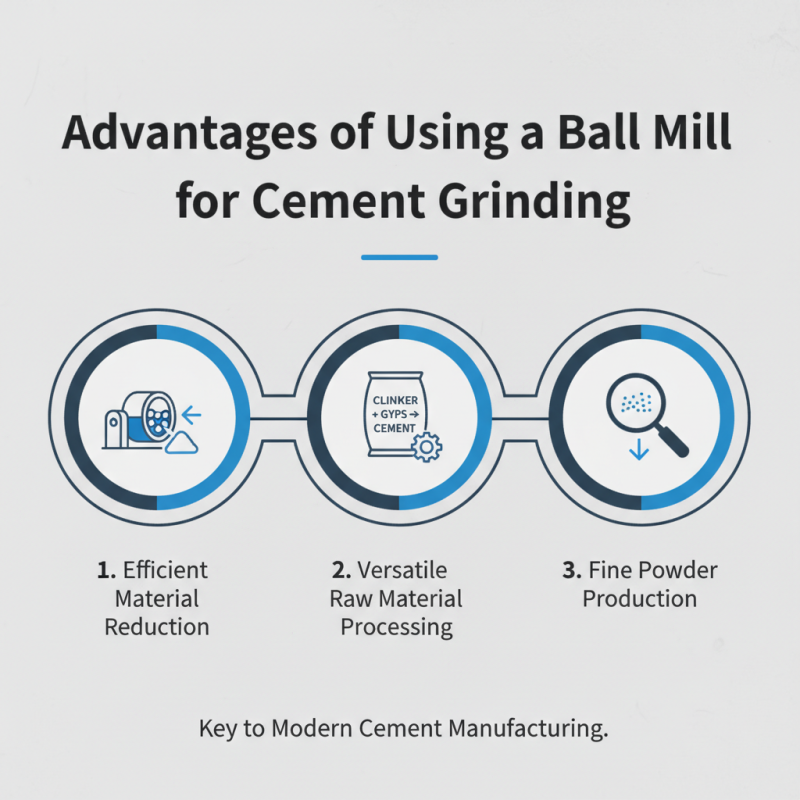
A ball mill for cement is a vital piece of equipment in the cement production process. It operates by grinding raw materials, such as clinker and gypsum, into fine powder. This powder then undergoes further processing to create the final product. The grinding process in a ball mill relies on the motion of spherical balls within a rotating cylinder, allowing for efficient material reduction.
One major advantage of using a ball mill for cement grinding is its ability to handle large quantities. It can efficiently process a significant volume of material in a single batch. This efficiency can lead to lower energy consumption per ton of cement produced. Additionally, ball mills provide a uniform particle size, ensuring better quality control for the final product. Many operators appreciate the simplicity of the technology and the ease of maintenance involved.
However, there are challenges associated with ball mills. They may generate excessive noise and vibrations during operation. This can affect both worker comfort and equipment longevity. Furthermore, achieving the optimal grinding performance often requires careful adjustments and monitoring. A lack of attention to these details can lead to downtime or increased operational costs. Balancing efficiency and maintenance remains crucial for sustainable operation.