

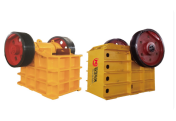
Working principle of ball mill
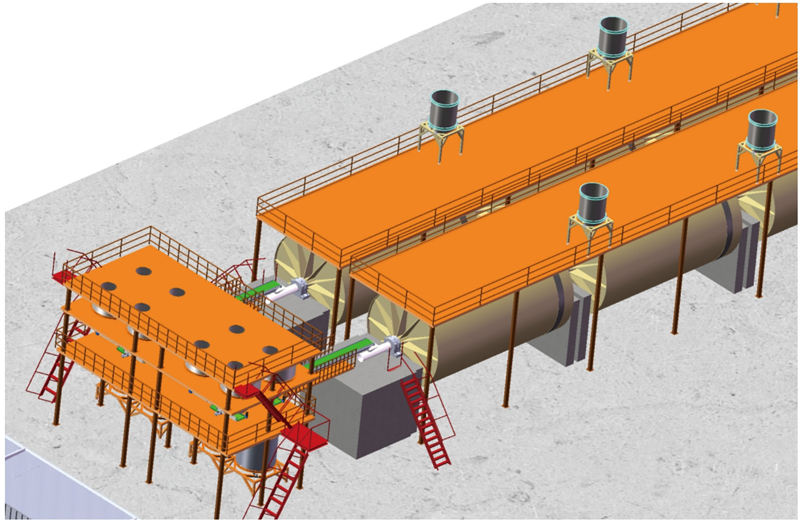
The Ball Mill is composed of a horizontal cylinder, a hollow shaft for feeding and discharging materials, and a grinding head. The cylinder is a long cylinder with a grinding body inside. The cylinder is made of steel plate and fixed to the cylinder by a steel lining. The grinding body is generally a steel ball and is loaded into the cylinder according to different diameters and a certain proportion. The grinding body can also be made of steel segments. The material is selected according to the particle size of the grinding material. The material is loaded into the cylinder through the hollow shaft at the feeding end of the ball mill. When the cylinder of the ball mill rotates, the grinding body is attached to the cylinder lining due to inertia, centrifugal force, and friction, and is carried away by the cylinder. When it is brought to a certain height, it is thrown down due to its own gravity. The falling grinding body crushes the material in the cylinder like a projectile.
The material is fed into the first chamber of the mill evenly through the feeding device and the hollow shaft spiral. The chamber has a stepped lining or corrugated lining, which contains steel balls of various specifications. The centrifugal force generated by the rotation of the cylinder brings the steel balls to a certain height and then falls, which has a heavy impact and grinding effect on the material. After the material is roughly ground in the first chamber, it enters the second chamber through a single-layer partition plate. The chamber is inlaid with a flat lining plate and contains steel balls to further grind the material. The powder is discharged through the discharging grate plate to complete the grinding operation.
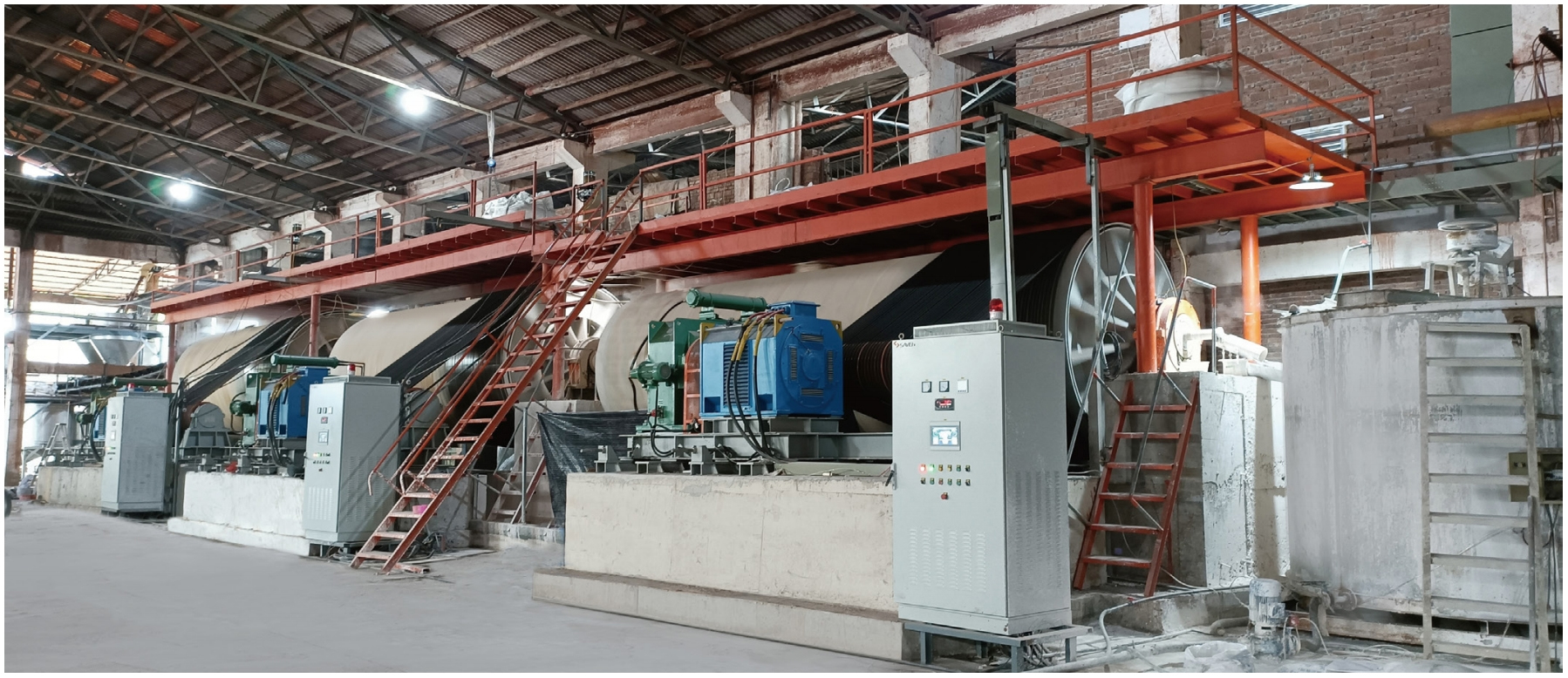
During the rotation of the cylinder, the grinding body also slides down, and the material is ground during the sliding process. In order to effectively utilize the grinding effect, when grinding materials with larger particle sizes, generally 20 meshes, the grinding body cylinder is divided into two sections by a partition plate, that is, a double bin. When the material enters the first bin, it is crushed by steel balls. When the material enters the second bin, the steel section grinds the material. The qualified ground material is discharged from the hollow shaft at the discharge end. When grinding materials with small feed particles, such as sand No. 2 slag and coarse fly ash, the mill cylinder can be made of a single bin cylinder mill without a partition, and the grinding body can also be made of steel sections.
The raw material is fed into the hollow cylinder through the hollow shaft neck for grinding. The cylinder is filled with grinding media of various diameters (steel balls, steel rods or gravel, etc.). When the cylinder rotates around the horizontal axis at a certain speed, the medium and raw materials in the cylinder, under the action of centrifugal force and friction, will break away from the inner wall of the cylinder and fall or roll down when their own gravity is greater than the centrifugal force as the cylinder reaches a certain height, and the ore will be crushed due to the impact force. At the same time, during the rotation of the mill, the sliding movement of the grinding media between each other also produces a grinding effect on the raw materials. The ground materials are discharged through the hollow shaft neck.