Ⅰ. Minerals Suitable for Gravity Separation
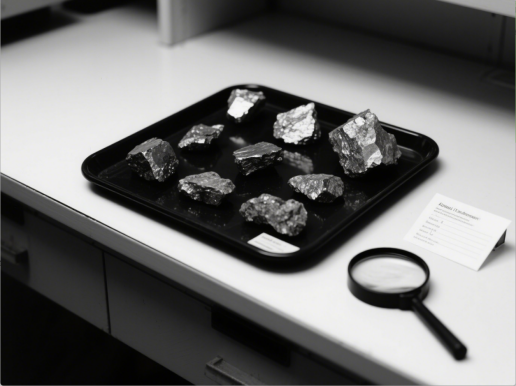
Gravity separation is mainly applicable for separating minerals from gangue or different minerals with significant density differences. The core minerals suitable for gravity separation must meet the following conditions: 1. The larger the density difference, the better the separation effect. 2. The minerals and gangue have no obvious magnetism, such as non-ferrous metals (tin, tungsten, titanium, zirconium) and non-metallic minerals (diamond, quartz, feldspar). Due to their inherent properties, these minerals and gangue exhibit differences in floatability, making them more suitable for gravity separation.
Ⅱ.Gravity Separation Operation Process and Core Equipment Overview
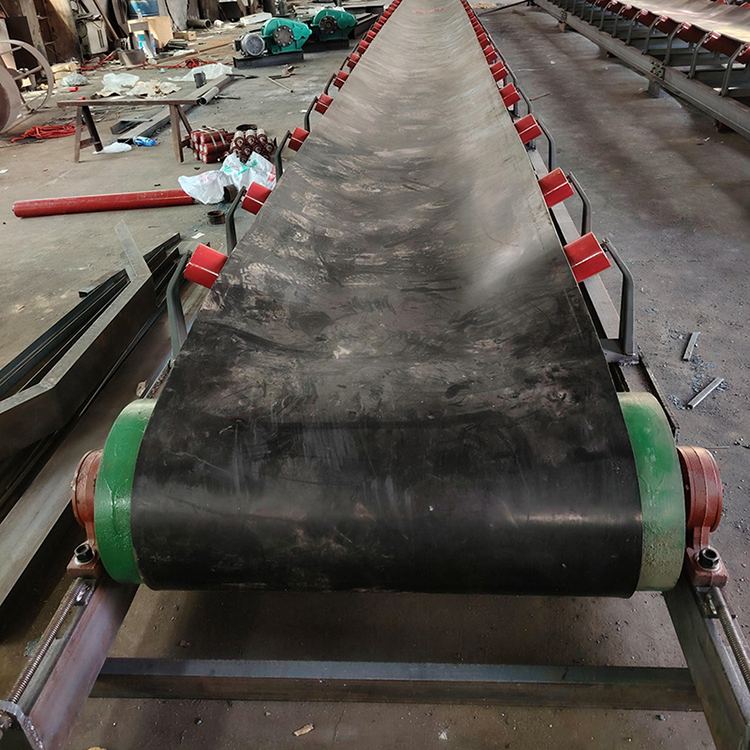
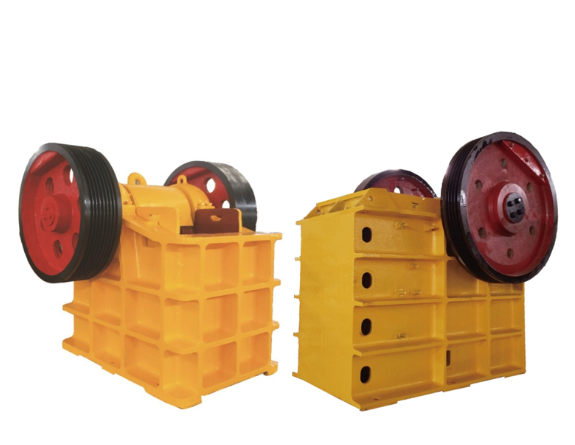
According to actual site requirements, a silo and a vibrating feeder can be configured at the front end for feeding. Bulk materials are transported to a jaw crusher for primary crushing, and the crushed materials are then transferred to a secondary jaw crusher via a belt conveyor for secondary crushing. The materials after secondary crushing are sent to a vibrating screen for sieving, where a closed-loop system is established — undersized materials are transported back to the secondary jaw crusher via a belt for re-crushing, while qualified materials are conveyed to a
Ball Mill for grinding through a belt.
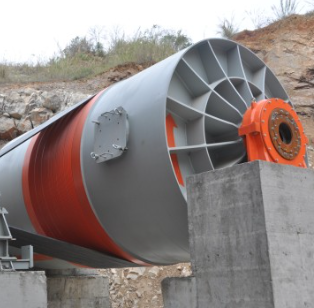
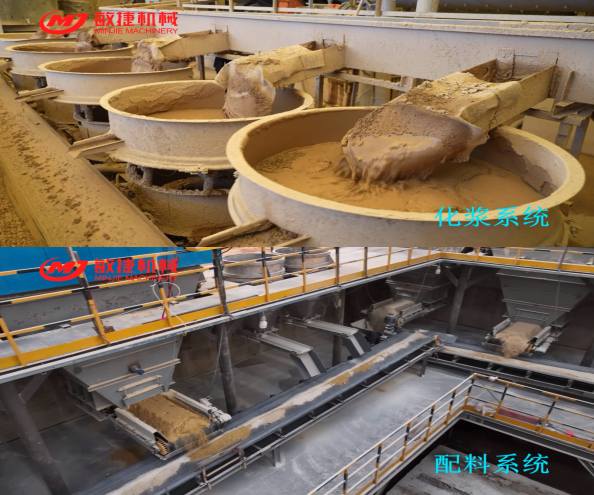
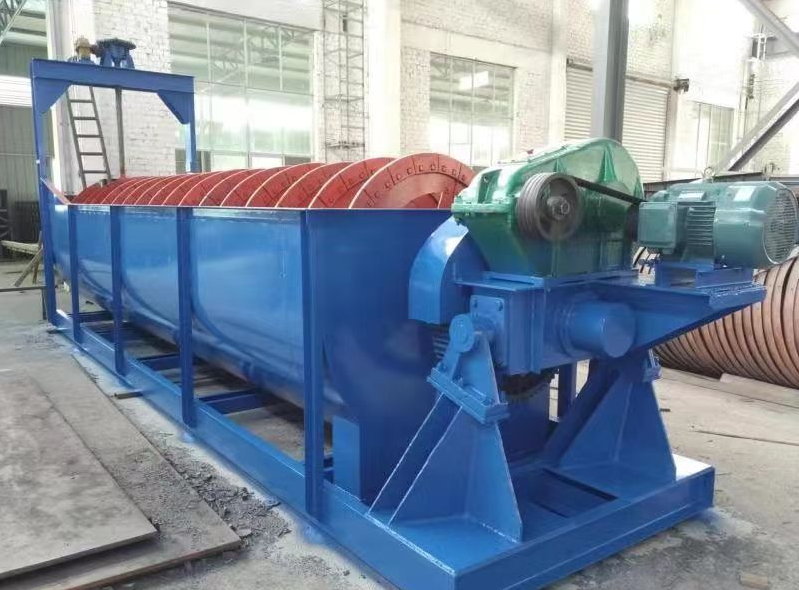
Qualified materials are fed into the hopper at the upper end of the ball mill via a belt, and a swing feeder at the lower end uniformly conveys the materials into the ball mill for grinding. The ground slurry is then sent to a spiral classifier for classification. Another closed-loop system is formed when the slurry enters the spiral classifier: unqualified slurry is returned to the ball mill through a pipeline for re-grinding, and qualified slurry is transported to a spiral chute along the spiral classifier.
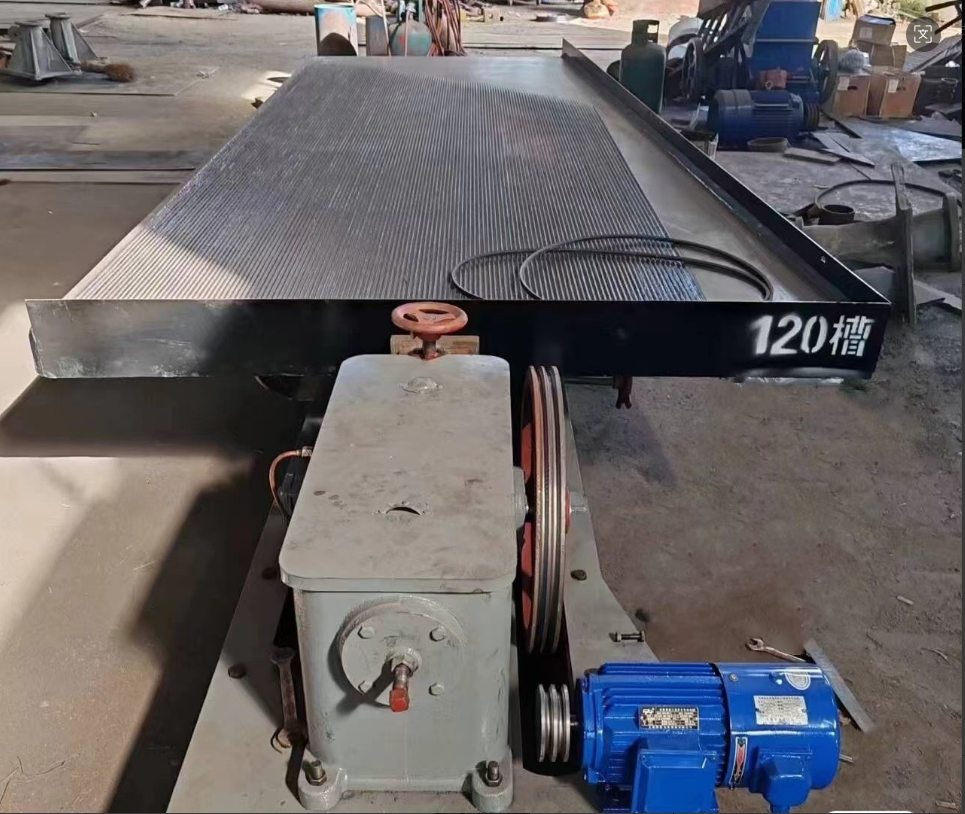
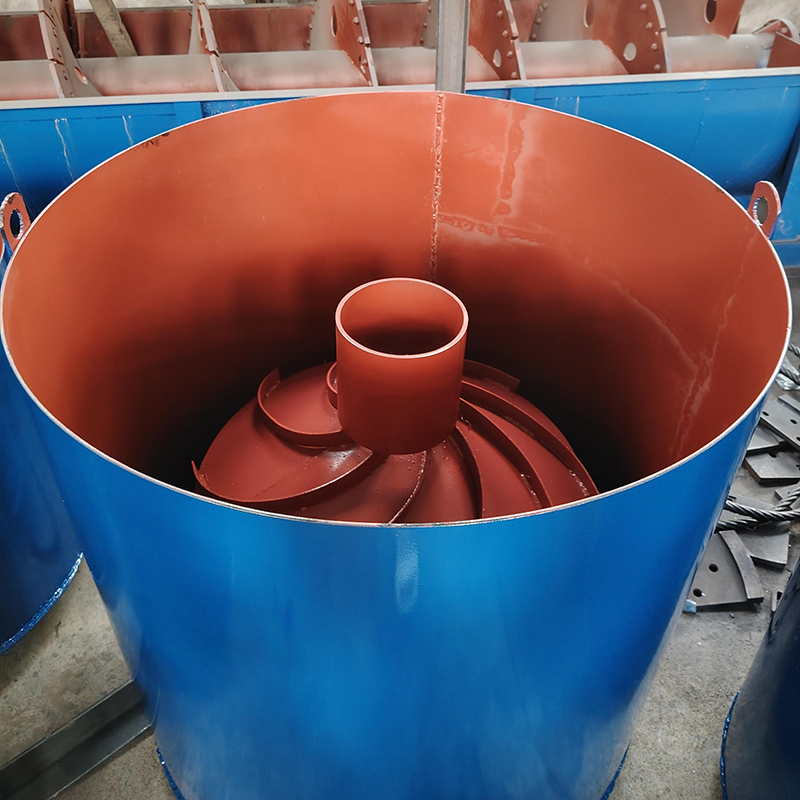
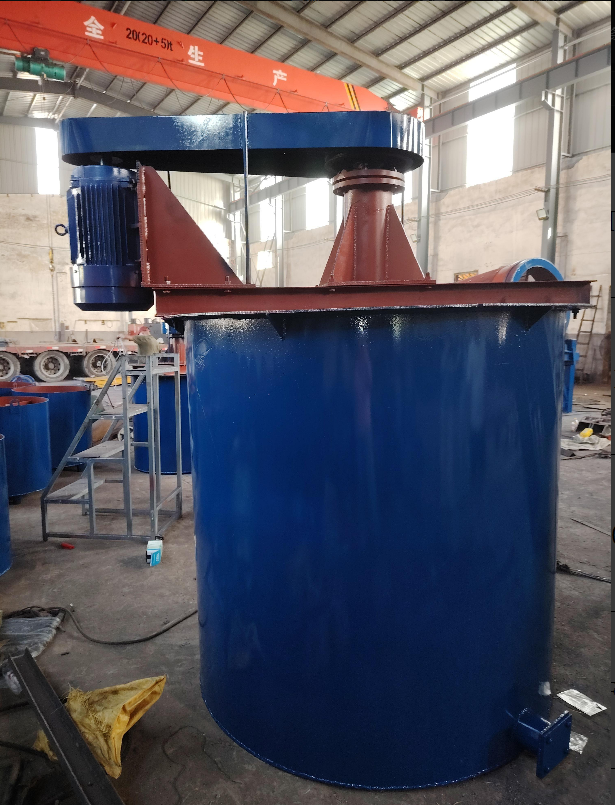
The slurry arriving at the spiral chute undergoes preliminary separation based on the difference in particle mass, and qualified slurry is sent to a mixing tank for uniform stirring. The slurry in the mixing tank is subsequently transported to a shaking table for separation. The tailings produced during separation are sent to a tailings pond for subsequent treatment, while the concentrate obtained is further conveyed to the next group of shaking tables for beneficiation.
The tailings from the beneficiation shaking tables are transported to the front-end spiral classifier for re-separation. Finally, the concentrate obtained through the second round of shaking table beneficiation is sent to a concentrate pond for air-drying.
The entire gravity separation process is centered on the core logic of "crushing - grinding - classification - separation". It ensures the material particle size meets requirements through multi-stage crushing and closed-loop sieving, guarantees the slurry fineness via closed-loop grinding with ball mills and spiral classifiers, and achieves mineral enrichment through the combined process of preliminary separation by spiral chutes and beneficiation by shaking tables. Multiple closed-loop systems (crushing-sieving loop, grinding-classification loop, beneficiation tailings reflux loop) are set up throughout the process to effectively improve material utilization and separation accuracy.
Ultimately, the finished product is collected through air-drying in the concentrate pond, and tailings are uniformly transported to the tailings pond for subsequent treatment, forming a complete and efficient mineral gravity separation system.