
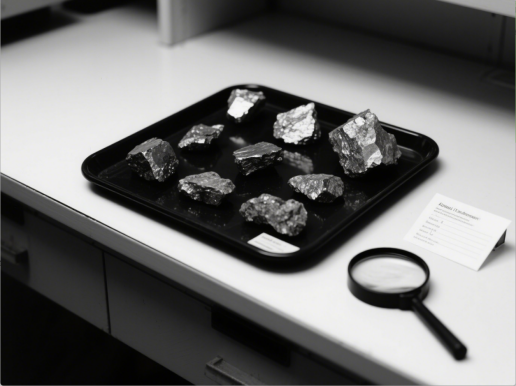
Crushing Equipment Selection in the Production of Finished Sand from Quartzite
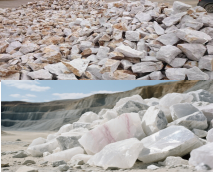
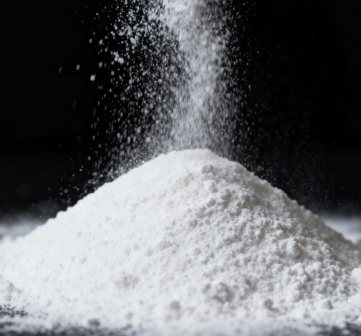
Quartzite is the core raw material for producing high-purity quartz sand ,for example sand for glass and photovoltaic applications, characterized by high hardness (Mohs hardness 7) and dense structure. Improper equipment selection in the crushing process can easily lead to problems such as excessive fine powder, rapid equipment wear, and uneven particle size, which directly affect the efficiency of subsequent precision processing and the quality of finished products. Based on the characteristics of the raw material, this article analyzes the logic of Crushing Equipment selection, equipment matching schemes, and key parameter control.
Sand Production from Quartzite
Quartzite raw materials have large block sizes and uniform hardness, requiring a three-stage crushing process of "rough crushing → medium crushing → fine crushing" to gradually reduce the raw material from large blocks of 50 cm to coarse sand of 0.5-5 mm. Equipment at each stage must be characterized by "high compressive strength + large processing capacity":
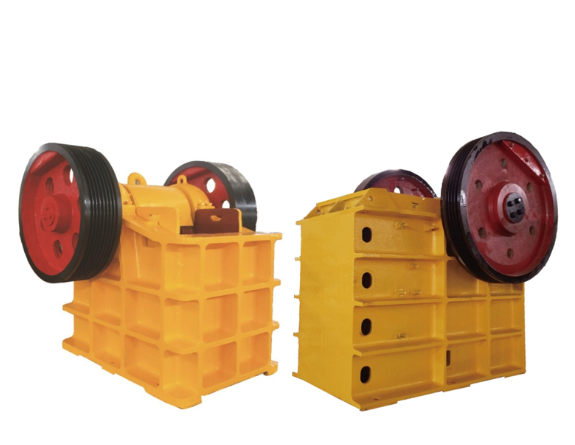
1. Rough Crushing: Jaw Crusher
-
Core Function: Crush large quartzite blocks of 30-50 cm into medium-sized blocks of 10-15 cm. Jaw Crushers adopt the principle of "compression crushing"; the compressive force between the moving jaw and fixed jaw can handle high-hardness quartzite. They also feature a simple structure and low failure rate, making them suitable for continuous large-scale production.
- Feeding Port Size: Should be 10-15 cm larger than the maximum size of the raw material (e.g., for processing 50 cm quartzite, a jaw crusher with a 600×900 mm feeding port is selected).
- Discharge Particle Size: Controlled by adjusting the discharge gap (5-15 cm) to prevent excessive coarseness of the discharged material which would overload the secondary crushing equipment or excessive fineness which would generate too much fine powder.
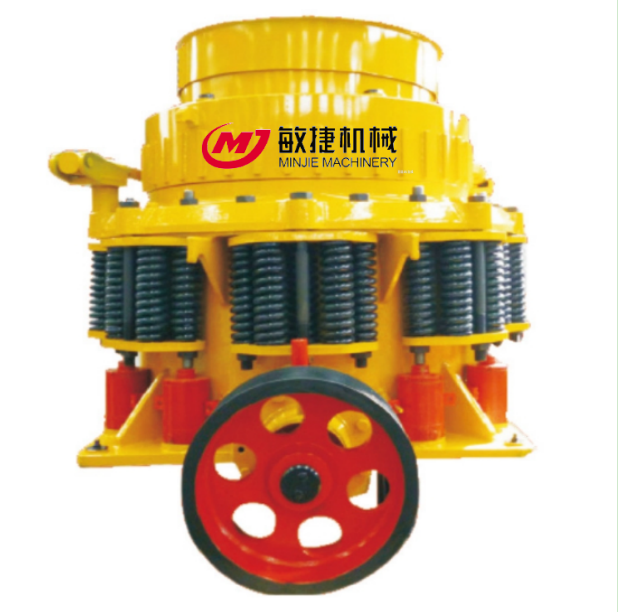
2. Medium Crushing: Cone Crusher
-
Core Function: Further crush the 10-15 cm material from rough crushing into small blocks of 2-5 cm, providing "uniform particle size raw material" for fine crushing and avoiding over-crushing caused by large differences in particle size during fine crushing.
- Selection Rationale: Cone crushers adopt the principle of "laminated crushing" (raw materials are crushed by multi-layer compression in the crushing cavity). Compared with traditional impact crushers, they exert more uniform crushing force, which can reduce the over-crushing rate of quartzite (fine powder content ≤ 5%). Additionally, they have a deep crushing cavity and high processing capacity (up to 100-500 tons per hour), making them suitable for large-scale quartzite sand production needs.
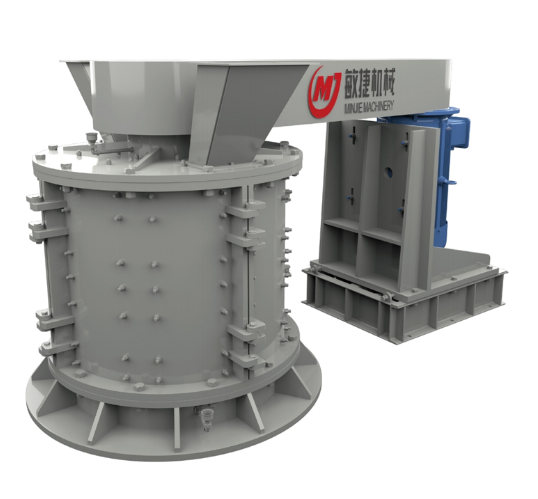
3. Fine Crushing: Vertical Crusher
-
Core Function: Crush the 2-5 cm material from medium crushing into coarse sand of 0.5-5 mm while controlling the particle shape (reducing needle-like and flaky particles) to lay the foundation for subsequent screening.
- Selection Rationale: Vertical crushers adopt the dual crushing principle of "impact + grinding" — the high-speed rotating impeller (rotational speed: 1200-1800 r/min) throws the raw material out, which collides with the crushing cavity liner for crushing, and at the same time, particles grind against each other. This can control the content of needle-like and flaky quartzite particles to ≤ 15% and ensure uniform discharge particle size (deviation ≤ ±0.5 mm).
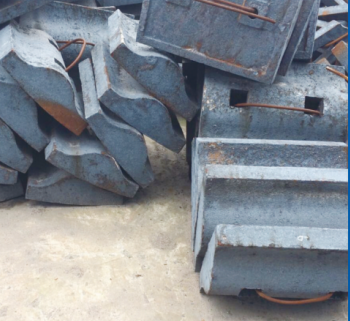
- Key Selection Details:
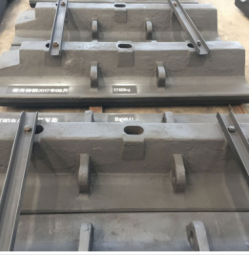
Liner Material: Choose "high-chromium alloy liners," which have 3-5 times higher wear resistance than ordinary manganese steel, reducing issues caused by liner wear.
Given the characteristics of quartzite raw materials, such as large block size and uniform hardness, the three-stage crushing process of "rough crushing → medium crushing → fine crushing" has established a precisely adapted sand production solution. The selection of the above crushers not only avoids problems like over-crushing and equipment overload, but also ensures the stability of discharge particle size and particle shape, providing reliable technical support for the standardized and high-capacity operation of the quartzite sand-making industry.