


Leave Your Message

Comparative Analysis of Mechanical Stereoscopic Garages and Traditional Parking Lots

2025-09-23

1. Objectives: An Essential Analysis of Efficiency-Oriented vs. Basic Parking

Traditional parking lots take "providing basic parking space" as their core objective and lack precise guidance and management mechanisms. When parking, car owners have to drive around repeatedly to find empty parking spaces. When picking up their cars, they often get stuck in the dilemma of "difficulty in finding the car" due to the complex layout and unclear signs of the parking lot, wasting a lot of time on ineffective movement. This inefficiency is particularly prominent in areas with dense traffic flow such as large shopping malls and residential areas.
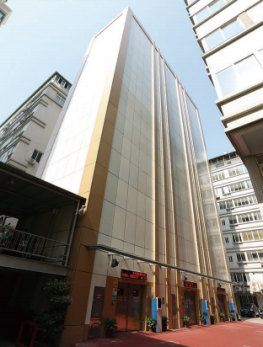
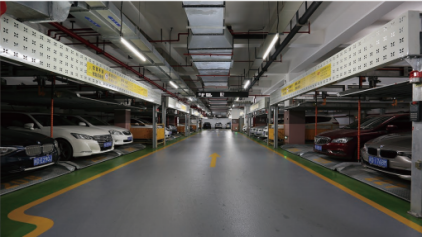
Mechanical stereoscopic garages, on the other hand, take "efficient access and precise positioning" as their core objective. Through standardized parking space numbering and automated systems, they achieve clear guidance to parking locations, allowing car owners to directly reach the designated parking area without cruising around parking lots. Meanwhile, the entire process of parking and retrieving cars is operated automatically. From the vehicle driving in to being parked in the predetermined position, and from the trigger of instructions to the delivery of the vehicle, no manual intervention is required. This greatly shortens the time cost of parking and retrieving cars, and completely solves the pain points of traditional parking lots, such as "taking a long time to find a parking space and difficulty in retrieving the car".
图片1

2. Core Advantage: Generational Upgrade in Space Utilization Efficiency

Traditional parking lots mostly adopt a flat layout for space utilization, with each parking space occupying 25-30 square meters of ground area. In urban core areas and high-density residential communities, this model not only occupies public spaces such as greenery and public activity areas but also may cause confusion in traffic routes due to scattered ground parking areas, bringing inconvenience to citizens' travel. It will be difficult to meet the parking gap caused by the continuous growth of vehicle ownership in the future.
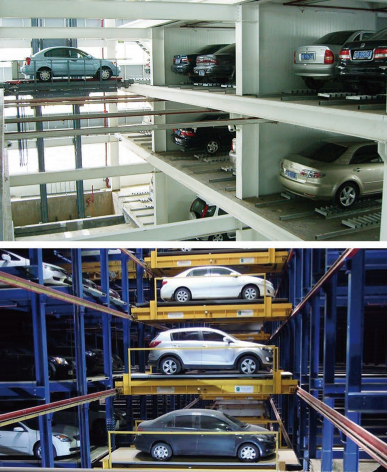
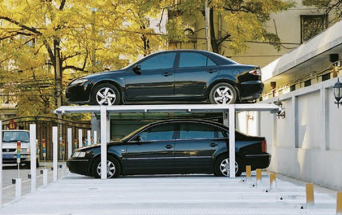
Mechanical stereoscopic garages have achieved a qualitative leap in space utilization efficiency through "vertical space development". With the help of mechanical structures such as lifting and traversing, vehicles are arranged in a three-dimensional manner in the air or underground. The number of parking spaces per unit area can reach 2-3 times that of traditional parking lots, which significantly improves the utilization rate of urban volume area. This model of "creating parking spaces from space" not only avoids the occupation of traffic and public spaces by ground parking but also creates more parking supplies within limited land resources, becoming a key solution to the problem of "difficulty in finding parking spaces".
图片2

3. Policy Support and Application Scenarios: Wide-Scale Implementation Adapted to Urban Development
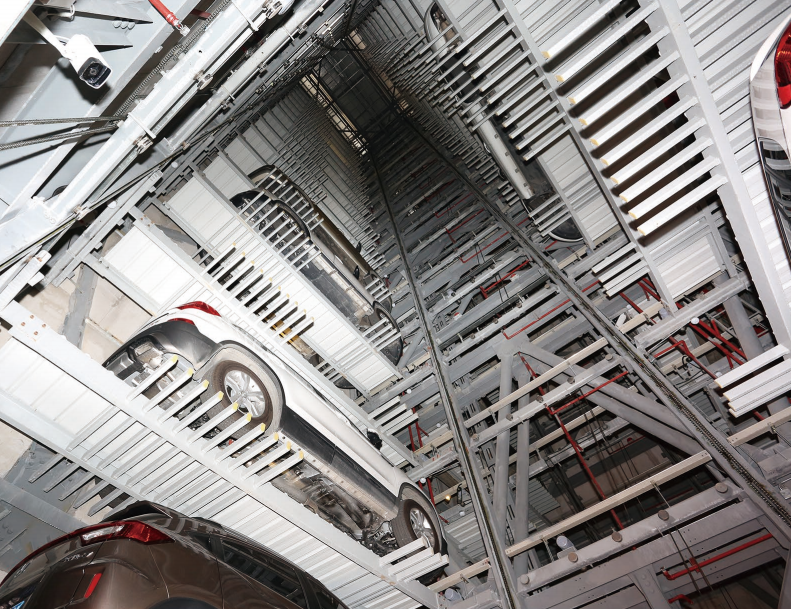
With the continuous increase of urban motor vehicle ownership, "difficulty in parking" has become a prominent problem restricting people's livelihood convenience and urban development. For this reason, many local governments have issued policies on the construction of parking facilities, clearly requiring an increase in the proportion of mechanical stereoscopic garages in new residential areas, commercial complexes and other projects, and listing them as the core solution to alleviate the contradiction between parking supply and demand.
图片3

At present, mechanical stereoscopic garages have been widely applied in various scenarios: In residential communities, they can make up for the gap in parking spaces without reducing greenery and activity spaces; In commercial scenarios such as shopping malls, hotels and office buildings, their efficient access characteristics can meet the parking demand during peak passenger flow and reduce traffic congestion; In areas with tight land resources such as tourist attractions, they can achieve the coordination of parking functions and landscape environment with a compact layout, becoming a flexible parking solution suitable for various scenarios.