
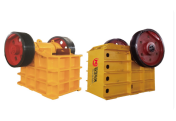
Ball Mill for Zirconium Silicate Grinding: Performance and Application Guide
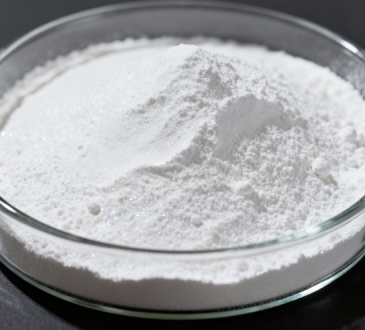
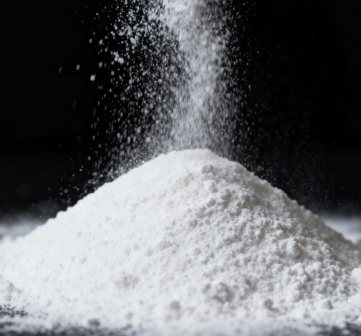
Zirconium silicate, endowed with properties such as high whiteness, high hardness, high temperature resistance, and stable chemical properties, boasts a wide range of application scenarios. These include serving as an opacifier in the ceramic industry (enhancing whiteness and wear resistance), a functional filler in the coating industry (improving coating performance), a raw material for refractory materials, a performance-enhancing material in the glass/optical field, a ceramic substrate and grinding medium in the electronic/new materials sector, as well as a filler for high-grade paper and a white pigment in cosmetics. Among these, the ceramic industry stands as its most core application area. Ultrafine zirconium silicate and zirconium silicate micro-powder have become important glaze opacifiers for numerous ceramic manufacturers, thanks to their advantages of high whiteness, high hardness, high temperature resistance, excellent opacifying effect, and strong hiding power[5].
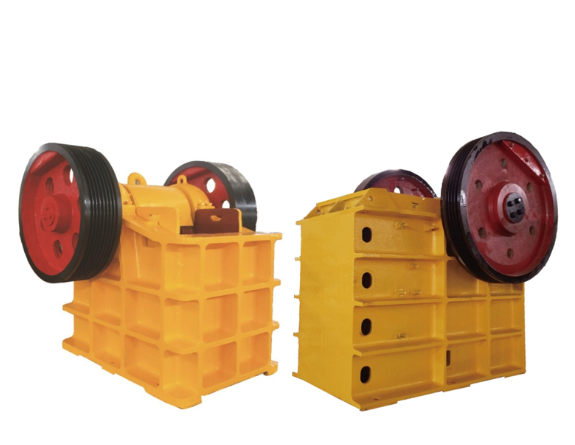
Achieving this critical particle size control relies on efficient grinding equipment and processes. Ball Mills and stirred mills (including high-speed sand mills) are commonly used for zirconium silicate grinding, yet each has its own strengths and weaknesses: Ball mills offer high output and are suitable for large-scale pretreatment, but they suffer from low grinding efficiency, high energy consumption, and wide particle size distribution of finished products. Stirred mills, on the other hand, feature high energy efficiency and uniform product particle size distribution.
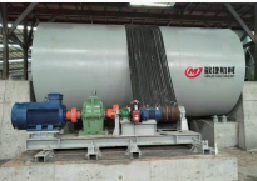
To balance large-scale production and ultra-fine grinding effects, the two-stage grinding process has emerged as an ideal solution. This process achieves complementarity by integrating the core advantages of the two types of equipment. The specific process is as follows: In the first stage, a ball mill is used for pre-grinding large-particle zirconium silicate materials to a preset particle size; in the subsequent stage, a stirred mill performs precise ultra-fine processing, ultimately producing zirconium silicate micro-powder with a particle size of 1 nanometer.
From the perspective of the development trend of zirconium silicate wet grinding technology, the combined use of "ball mill + stirred mill" not only inherits the core advantages of the two-stage grinding process but also further optimizes the stability and efficiency of ultra-fine grinding. It provides a cost-effective and practical zirconium silicate grinding solution for the ceramic and other industries, and has become an important development direction of wet grinding technology in this field[2].