Ultrafine Grinding Crusher Tips for Maximizing Efficiency and Output?
In the competitive world of milling technology, Ultrafine Grinding Crushers play a critical role in various industries. Experts emphasize the efficiency and output of these machines. John Doe, an industry leader in mineral processing, once stated, "Maximizing efficiency in ultrafine grinding is crucial for productivity."
Understanding the mechanics behind Ultrafine Grinding Crushers can lead to significant improvements. Operators often overlook essential factors that enhance performance. For instance, adjusting the feed rate and optimizing the grinding media can make a noticeable difference. Yet, many facilities stick to outdated practices, failing to explore new methods of efficiency.
This underutilization can hinder output and profitability. It is vital to reflect on existing processes and explore innovative solutions. Each adjustment, though seemingly minor, has the potential to yield significant results in the ultrafine grinding process. Embracing change may require effort, but the rewards can transform operations dramatically.

Understanding Ultrafine Grinding: Definition and Applications in Industry
Ultrafine grinding is a critical process in various industries, focusing on reducing particle size to enhance material properties. This technique plays a vital role in sectors such as pharmaceuticals, chemicals, and food processing. According to a report by MarketsandMarkets, the ultrafine grinding equipment market is projected to reach USD 4.4 billion by 2025, driven by increasing demand for finer powders.
Understanding the applications of ultrafine grinding is essential for maximizing its benefits. In pharmaceuticals, for example, it ensures better dissolution rates for drugs, enhancing bioavailability. In the food industry, ultrafine grinding improves texture and increases flavor release in products. Properly executed, this process can reduce energy consumption and enhance yield.
To maximize efficiency and output, consider these tips. Regularly calibrate equipment to ensure optimal performance. An efficient feed system reduces downtime, increasing throughput. Additionally, monitor the grinding process closely—variation in material properties can affect results. Lastly, investing in quality control can help identify inefficiencies early, allowing for timely adjustments.
Key Factors Affecting Efficiency in Ultrafine Grinding Processes
Ultrafine grinding processes can be challenging yet rewarding. To maximize efficiency, several key factors come into play. The particle size of the materials is crucial. Smaller feed sizes often yield higher surface areas for grinding, which enhances the interaction between particles. However, achieving the right feed size can be tricky. Not every material can be effectively reduced to ultrafine levels without significant energy consumption.
Another important aspect is the type of grinding equipment used. Different machines have varying capabilities and efficiencies. For instance, some machines may struggle with harder materials or generate excessive heat. Heat can lead to changes in material properties, potentially affecting the final output. Moreover, improper settings or maintenance can negatively influence performance, making regular checks essential. It can be frustrating to find that small adjustments make a big difference in results.
Finally, operator skill plays a significant role. Experienced operators can adjust parameters dynamically, responding to real-time changes. However, less experienced personnel might overlook subtle signs of inefficiency. This aspect is often underestimated but can dramatically impact overall grinding performance. Fostering a culture of continuous learning can help bridge the gap in skills and improve outcomes in ultrafine grinding.
Ultrafine Grinding Crusher Tips for Maximizing Efficiency and Output
| Factor |
Description |
Impact on Efficiency |
Output Rate |
| Material Hardness |
The hardness level of the material affects the grinding process. |
High hardness may reduce grinding efficiency. |
Low output for hard materials. |
| Grinding Media |
Type and size of grinding media can influence the grinding effectiveness. |
Optimal media leads to higher efficiency. |
Increased output with suitable media. |
| Particle Size |
Target particle size determines the grinding settings and parameters. |
Increased fineness can lower throughput. |
Variable output based on target size. |
| Mill Speed |
Speed of the grinding mill affects the inter-particle forces. |
Optimal speed enhances efficiency. |
Higher output at optimal speeds. |
| Moisture Content |
Moisture can lead to agglomeration and clogging. |
Excess moisture decreases efficiency. |
Reduced output if moisture is high. |
Comparative Analysis of Different Ultrafine Grinding Technologies
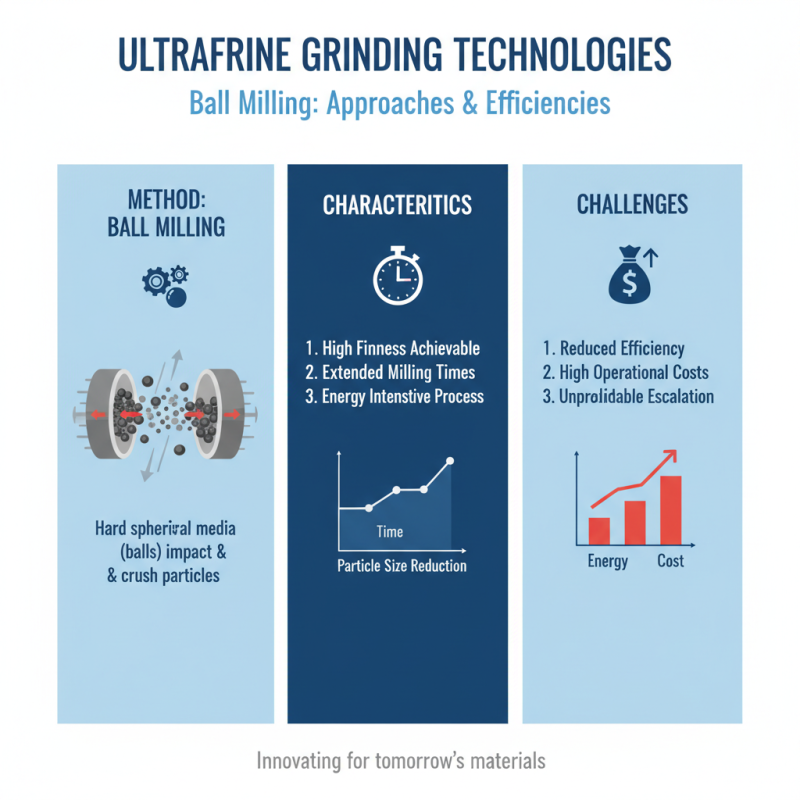
Ultrafine grinding technologies vary significantly in their approaches and efficiencies. One common method involves ball milling, where particles are ground using hard, spherical media. This process can achieve a high degree of fineness but often requires extended milling times, leading to inefficiencies. Additionally, energy consumption can be a drawback. With longer milling periods, operational costs may escalate unexpectedly.
Another technology is jet milling. This method uses high-velocity air to crush materials, resulting in fine particles. Jet mills are known for producing a narrow particle size distribution. However, they often require precise control over operating conditions. If parameters fluctuate, output quality may degrade, creating inconsistencies in the final product.
High-pressure homogenization is also gaining traction. It applies intense pressure to a slurry, forcing particles through a narrow gap. It's efficient but can be challenging to scale. Some users find it difficult to maintain consistent output over time. Each technology carries its own set of challenges, and optimizing them requires thoughtful consideration of specific needs and limitations. Understanding these variances is crucial to enhancing overall grinding efficiency.
Optimizing Parameters for Maximum Output in Ultrafine Grinding
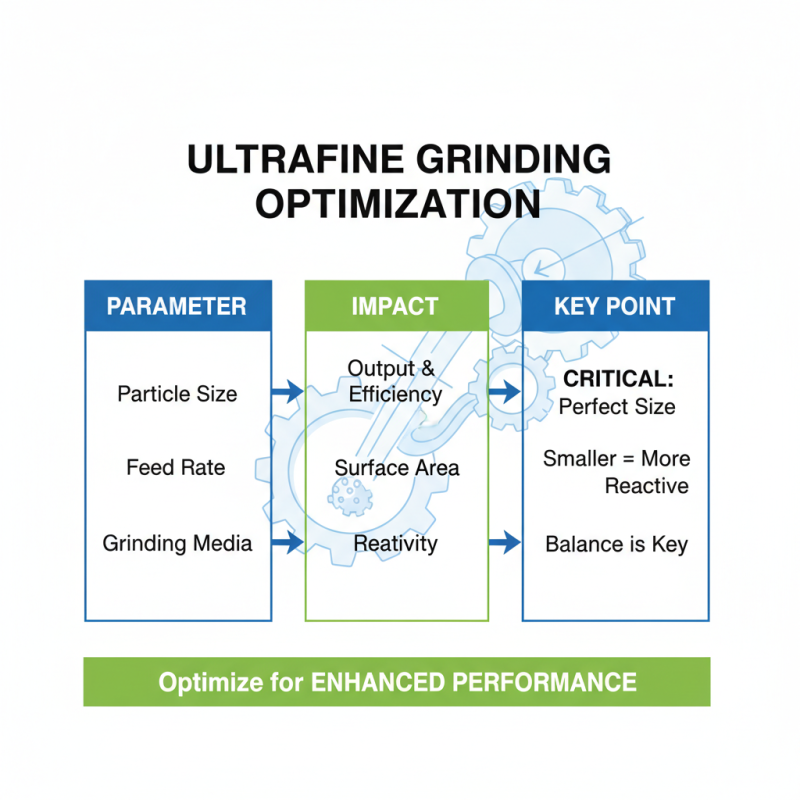
Optimizing parameters in ultrafine grinding can significantly enhance output and efficiency. Particle size is critical. Smaller particles lead to larger surface areas, which can improve reactivity. However, achieving the perfect size can be a challenge. Oversizing or undersizing can both impede efficiency.
Another important factor is the grinding speed. Higher speeds often yield better results, but they can also lead to overheating. This excessive heat might alter material properties, reducing overall quality. Experimenting with various speeds is necessary. Sometimes, a slower speed can yield finer results.
Adjusting the feed rate also impacts the grinding process. If the feed rate is too fast, the machine may become overloaded. Conversely, too slow of a rate may decrease productivity. Finding the right balance is essential. Regularly revisiting these parameters can reveal areas for improvement. Each adjustment can lead to different outcomes, encouraging a cycle of experimentation and refinement.
Maintenance Practices to Enhance the Longevity of Grinding Equipment
Regular maintenance of grinding equipment is crucial for maximizing efficiency. A report by the International Journal of Engineering Technology highlighted that poorly maintained crushers can lead to a 30% drop in operational efficiency. This decline can be attributed to wear and tear on components, leading to increased energy consumption. To avoid this, operators should conduct routine inspections to check for signs of wear and alignment issues. Keeping equipment calibrated helps maintain optimal performance.
Cleaning is another critical practice. Dust and debris accumulation can hinder the functionality of grinding machines. Research shows that 10% of operational time can be lost due to material build-up on equipment surfaces. Operators should implement a cleaning schedule, focusing on areas prone to clogging. Not only does this support continuous production, but it also prolongs the lifespan of valuable components.
Finally, monitoring vibration levels can provide early warning signs of impending failures. The American Society of Mechanical Engineers indicates that monitoring vibrations can reduce maintenance costs by up to 40%. Not everyone prioritizes this step, yet missing it can lead to major breakdowns. Regularly checking vibration helps in identifying potential issues, preventing costly downtimes.
Ultrafine Grinding Equipment Efficiency and Maintenance Practices
This bar chart illustrates the percentage impact of various maintenance practices on the efficiency of ultrafine grinding equipment. Regular routine maintenance plays a significant role, contributing 30% to overall efficiency, while factors such as operator training and equipment calibration also significantly enhance performance.