What is an Industrial Crusher and How Does it Work?
Industrial Crushers play a crucial role in various industries. They are designed to reduce large materials into smaller, manageable pieces. This process serves multiple purposes, including material recycling, size reduction, and waste management.
These machines come in several types, each adapting to specific materials and requirements. From jaw crushers to impact crushers, they offer unique mechanisms for breaking down substances. Understanding their function can help users select the right equipment for their needs.
Over time, the technology behind industrial crushers has progressed significantly. Yet, there remain challenges. Not all crushers perform seamlessly in every environment. Proper maintenance and operations are key to maximizing efficiency. Users must constantly evaluate performance and make adjustments as necessary.
What is an Industrial Crusher?
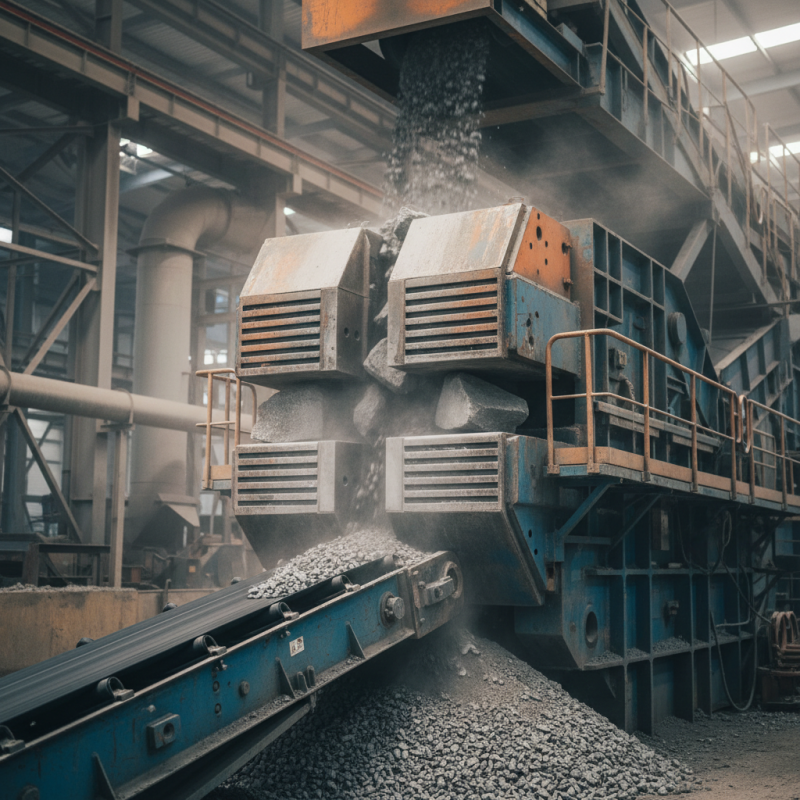
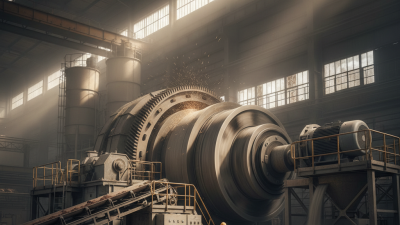
An industrial crusher is a machine used to break down large materials. It processes items like rocks, metal, and concrete into smaller pieces. This equipment is essential in construction, mining, and recycling. The crushing process improves material handling and enhances productivity.
These crushers come in various types, including jaw, cone, and impact crushers. Each type has its own way of breaking materials. For instance, jaw crushers use a compressive force. They crush by squeezing materials between two jaws. This method is effective for hard materials. On the other hand, impact crushers work differently. They smash materials using a high-speed rotor and hammers.
While industrial crushers are vital, they can present challenges too. Maintenance can be time-consuming and costly. Operators must ensure they follow guidelines for safe usage. Neglecting these can lead to accidents or equipment damage. It's crucial to balance efficiency with safety measures. Understanding these machines fully can help in optimizing their use.
Types of Industrial Crushers Available in the Market
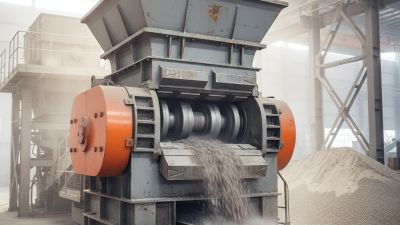
Industrial crushers come in various types, each designed for specific materials and applications. Jaw crushers are popular for their ability to handle hard materials. They crush rock or ore by compressing it between a moving jaw and a fixed jaw. Another common type is the impact crusher, which uses high-speed impact force. This type effectively reduces materials like limestone and coal into smaller sizes.
Another category is the cone crusher, which excels in secondary and tertiary crushing. This type uses a rotating cone to crush materials against a fixed outer surface. Shredders, on the other hand, are ideal for reducing bulk materials like plastics or metals. They chop these materials into smaller pieces, suitable for recycling or further processing.
While these crushers are efficient, they also have limitations. For instance, not all crushers handle wet materials well. This can lead to clogging and ineffective crushing. Users might need to experiment to find the right type for their needs. Understanding these nuances can prevent costly mistakes in industrial operations.
Types of Industrial Crushers Available in the Market
Key Components of an Industrial Crusher
Industrial crushers are essential in many sectors. They play a crucial role in material processing. These machines reduce large materials into smaller pieces. Understanding their components is vital for optimal performance.
Key components include the crushing chamber, drive system, and feed mechanism. The crushing chamber houses the crushing surfaces. This design determines the material size the crusher can handle. Data shows that optimizing this area can enhance efficiency by 30%. The drive system powers the crushing process. It’s often electric or hydraulic, influencing speed and force. Regular maintenance of this system is crucial, as failures can halt operations.
The feed mechanism manages how materials enter the crusher. It ensures a consistent flow, critical for preventing blockages. Studies indicate that a well-designed feed system can increase throughput by 25%. However, even with advanced technology, operators must stay vigilant. Inadequate feeding can lead to uneven wear and premature failure. Balancing performance and durability remains a challenge in the industry.
How Industrial Crushers Operate: The Mechanism Explained
Industrial crushers are essential in various sectors, including mining and construction. They play a crucial role in reducing material size. This ensures materials are manageable for further processing. Typically, these machines operate through mechanisms like jaw and impact crushing.
A jaw crusher employs a simple back-and-forth motion. Materials enter between two hardened plates. As these plates move, they crush the material. Reports indicate that over 60% of the mining sector relies on this method. In contrast, impact crushers utilize high-speed rotors. They fling materials against surfaces, breaking them apart effectively. Statistics show that the impact crushing method can increase efficiency by up to 30% in some applications.
However, not all operations achieve optimal performance. Some crushers face wear and tear issues. This can lead to inconsistent product size and quality. Manufacturers have identified that nearly 15% of crushers fail to meet expected output levels. Regular maintenance and analysis of operational data are essential. Ignoring these factors can severely impact productivity. Different methods of crushing can yield different outcomes, making it imperative to choose the right one for specific needs.
What is an Industrial Crusher and How Does it Work? - Mechanism Overview
| Crusher Type |
Mechanism |
Purpose |
Material Processed |
| Jaw Crusher |
Crushing by compression of materials between a fixed and a moving jaw. |
Primary crushing in mining and recycling. |
Rock, stone, and concrete. |
| Impact Crusher |
Crushing by applying high-speed impact forces to the material. |
Secondary and tertiary crushing stages. |
Soft to medium hardness materials such as limestone. |
| Cone Crusher |
Crushing by squeezing between a gyrating cone and a stationary outer cone. |
Secondary and tertiary crushing, particularly for hard materials. |
Granite, basalt, and other hard ores. |
| Roll Crusher |
Crushing through compression between two rotating rolls. |
Used for finer crushing and to reduce material size. |
Coal, clay, and other materials requiring size reduction. |
Applications and Benefits of Using Industrial Crushers
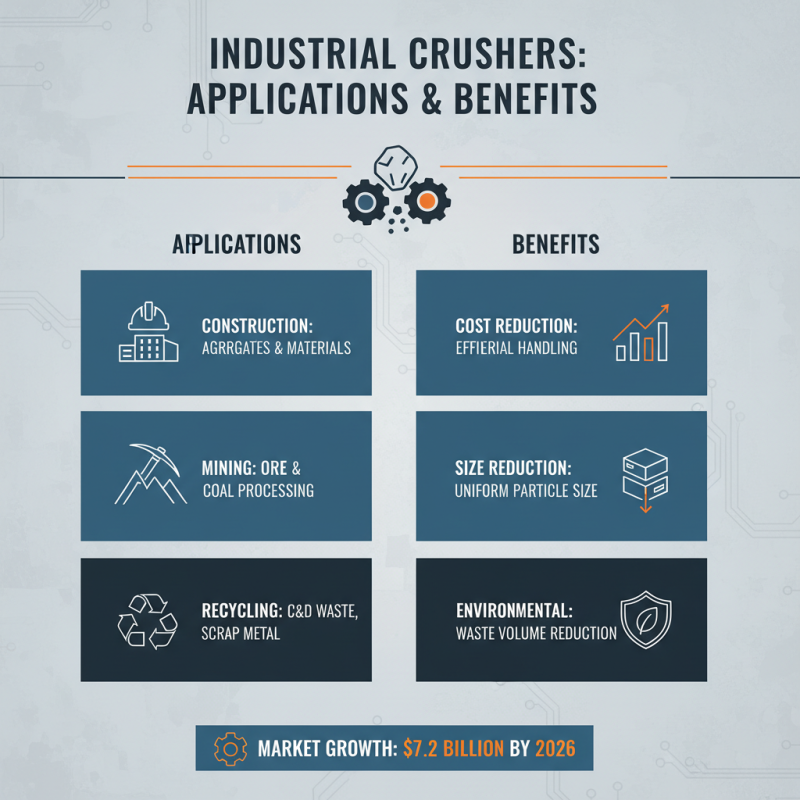
Industrial crushers play a vital role in various sectors. They are essential for reducing bulk materials into smaller sizes. These machines find applications in construction, mining, and recycling industries. According to a recent market analysis, the global industrial crusher market is expected to reach USD 7.2 billion by 2026. This growth highlights the importance of these machines.
One significant benefit of using industrial crushers is enhanced operational efficiency. By breaking down materials, these crushers reduce transportation costs and facilitate easier handling. For example, a report from Industry Research states that using crushers can improve material processing time by up to 40%. This means companies can save valuable time and resources.
However, the reliance on these machines does come with drawbacks. Maintenance can be costly and time-consuming. Companies often overlook regular maintenance, leading to increased downtime. Inaccurate sizing can also result in poor product quality. This is why careful analysis and planning are crucial before incorporating crushers into operations.