How to Improve Efficiency with Semi-Continuous Grinding Ball Mill?
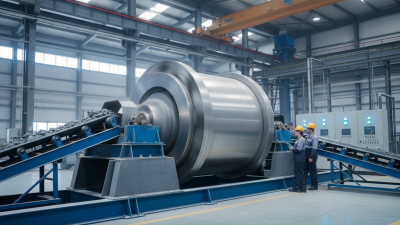
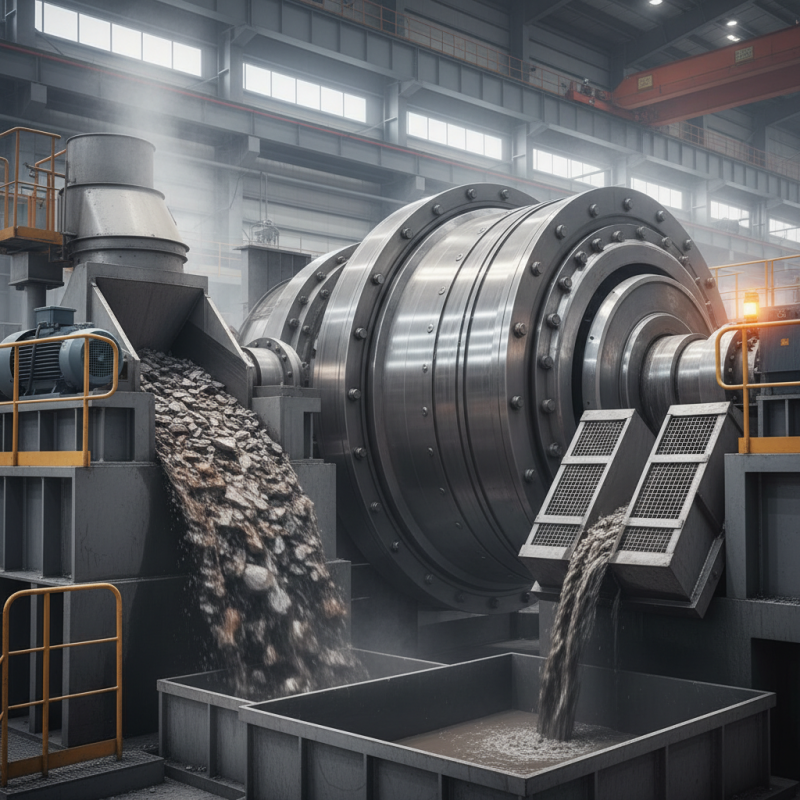
In the quest for optimal efficiency in mineral processing, the Semi-Continuous Grinding Ball Mill offers a promising solution. This innovative approach combines the advantages of both batch and continuous grinding systems. It creates a seamless flow of material, minimizing downtime.
Many industries seek ways to enhance productivity. Yet, achieving peak efficiency remains a challenge. The Semi-Continuous Grinding Ball Mill stands out due to its unique design. It allows operators to finely tune parameters like grinding time and feed rate. These adjustments directly impact the quality of the final product.
However, not all operations fully embrace this technology. Some may resist change due to existing practices. This mindset can hinder progress. Rethinking strategies and embracing the Semi-Continuous Grinding Ball Mill could lead to substantial improvements. Investing in such advancements may require initial effort and adjustment. But the long-term benefits justify the transition.
Benefits of Semi-Continuous Grinding Ball Mills in Modern Industry
Semi-continuous grinding ball mills have become essential in modern industrial processes. They offer several advantages over traditional grinding methods. First, they allow for a consistent feed of materials. This leads to improved product quality and reduces waste. With a steady input, operators can achieve finer particle sizes, ensuring better end product performance.
Efficiency is another key benefit. Semi-continuous systems can reduce downtime significantly. Continuous operation means less time spent on maintenance and setup. However, this system isn't without its challenges. Operators must monitor the material flow closely. Any disruptions can lead to inefficiencies. Adjustments are necessary, and constant vigilance is required.
Energy consumption is also a critical factor. While semi-continuous mills can improve efficiency, they may require more energy at times. Understanding the energy costs is vital. **Operators should seek ways to optimize energy use without sacrificing output quality.** This balance can be difficult to achieve but is essential for long-term success in manufacturing.
Key Operational Parameters Impacting Semi-Continuous Grinding Efficiency
When considering the efficiency of semi-continuous grinding ball mills, several operational parameters come into play. One crucial factor is the material feed rate. Adjusting this rate can greatly impact the grinding process. Too fast, and the material might not be ground adequately. Too slow, and the mill's efficiency drops.
Tips: Monitor the feed rate closely. It should match the mill's capacity. Small adjustments can lead to significant efficiency gains.
Another vital parameter is the grinding media size. Larger media can break particles quickly, yet they may not be effective for finer grinding. On the other hand, smaller media may enhance the milling of finer materials but could lead to inefficient energy use. Finding the right media size requires testing and adjustments based on your specific material needs.
Tips: Experiment with different media sizes. Analyze the results for optimal performance. Understand that finding the right combination is often a trial-and-error process, so be open to iterating your approach.
Comparative Analysis: Semi-Continuous vs. Traditional Grinding Techniques
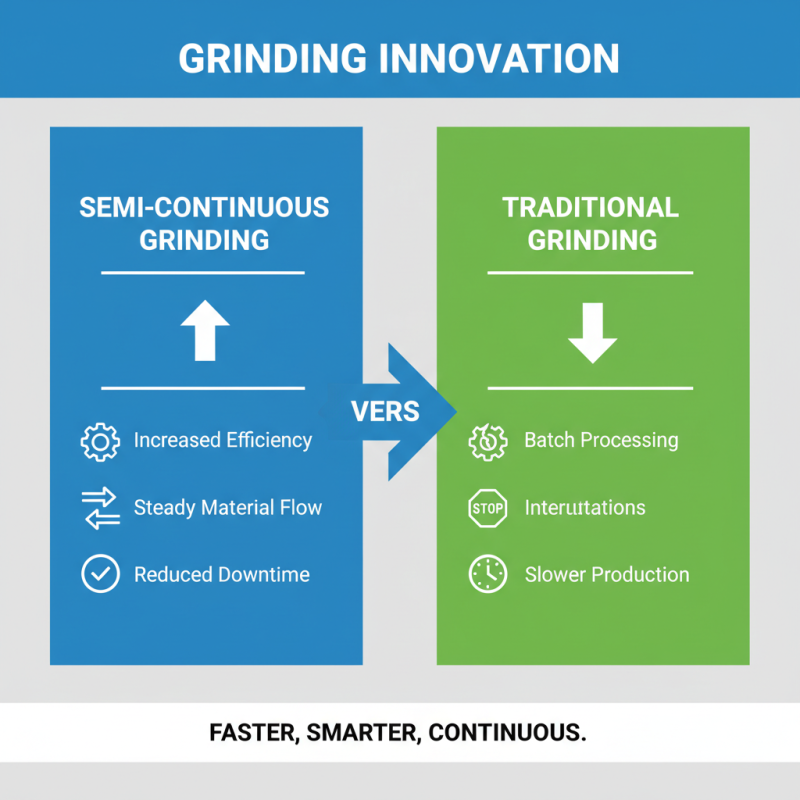
The semi-continuous grinding technique offers distinct advantages over traditional methods. This innovation allows for heightened efficiency in the milling process. Operators can maintain a steady flow of materials, which reduces downtime. In contrast, traditional grinding often involves batch processing, leading to interruptions and slower production rates.
In a side-by-side evaluation, semi-continuous systems show improved particle size distribution. This boosts product quality. Furthermore, the energy consumption tends to be lower. Yet, not every facility is equipped to switch. It requires an upfront investment and understanding of the new technology.
Tips: Regularly assess your current processes. Identify bottlenecks that slow down production. Train staff adequately on new equipment. Engage them in problem-solving discussions. Make small adjustments as needed, and always seek feedback. This ensures smoother transitions.
Technological Innovations Enhancing Semi-Continuous Grinding Performance
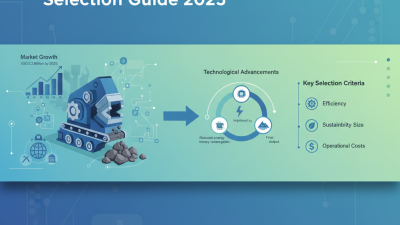
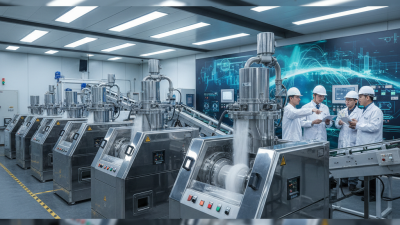
In recent years, technological innovations have significantly enhanced the performance of semi-continuous grinding ball mills. These advancements focus on optimizing energy efficiency and output quality. One notable statistic shows the potential for energy savings of up to 25% when integrating advanced sensors in milling processes. These sensors help in real-time monitoring, allowing for adjustments that maximize grinding efficiency.
Moreover, automation has transformed operational procedures. Automated systems can balance workloads and minimize downtime. Reports indicate that facilities utilizing automation experienced a 10% increase in productivity. However, the implementation of such technologies requires a skilled workforce for maintenance and troubleshooting. Many companies face challenges in training staff to adapt to new systems.
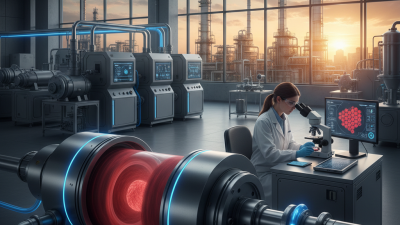
Lastly, the emphasis on data analytics cannot be overlooked. By employing predictive analytics, companies can foresee equipment failures and optimize maintenance schedules. A study revealed that predictive maintenance can cut unplanned downtime by as much as 30%. Yet, some operators still struggle to leverage data fully, highlighting a gap between available technology and its practical application in mills.
Efficiency Improvements in Semi-Continuous Grinding Ball Mill
This chart illustrates the enhancement in grinding efficiency over various technological innovations in semi-continuous grinding ball mills, showing measured performance improvements.
Best Practices for Maintenance to Increase Semi-Continuous Mill Efficiency
Maintaining a semi-continuous grinding ball mill requires strategic actions to boost efficiency. Regular inspections can unveil issues that may disrupt operations. A study indicates that proactive maintenance reduces downtime by approximately 25%. Timely checks can extend the lifecycle of mill components significantly, which is crucial for long-term operational efficiency.
Lubrication plays a vital role in maintaining performance. Properly lubricated bearings can enhance energy efficiency by reducing friction. Industry data suggests that optimal lubrication can yield up to a 10% improvement in energy consumption. However, many operators overlook this aspect, leading to increased wear and decreased efficiency. A consistent maintenance schedule is essential for ensuring that lubrication levels are regularly checked and replenished.
Vibration analysis is another critical aspect of maintenance. Understanding vibration patterns can indicate potential failures. Research shows that using vibration monitoring can predict failures up to 70% of the time. Yet, this method is underutilized in many operations. Emphasizing these practices could lead to substantial improvements in semi-continuous mill efficiency, while neglecting them might result in costly setbacks.