10 Essential Tips for Optimizing Your Continuous Ball Mill Performance
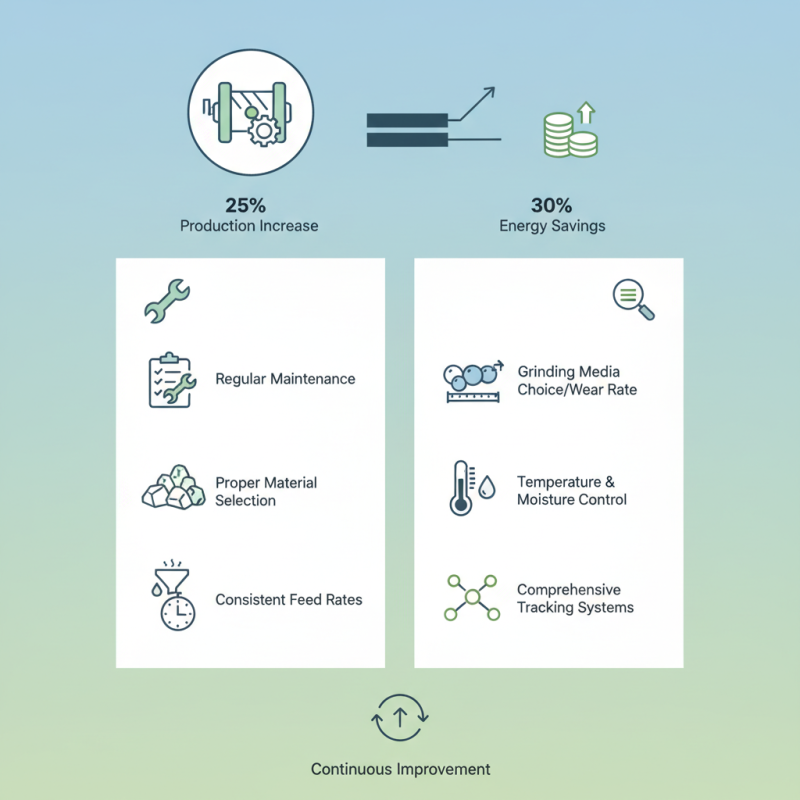
The efficiency of a Continuous Ball Mill is crucial for industries like mining and cement production. Recent studies indicate that optimizing this equipment can enhance production rates by up to 25%. However, many facilities underestimate the importance of key factors that influence performance. Regular maintenance and proper material selection are often overlooked, leading to reduced output and higher operational costs.
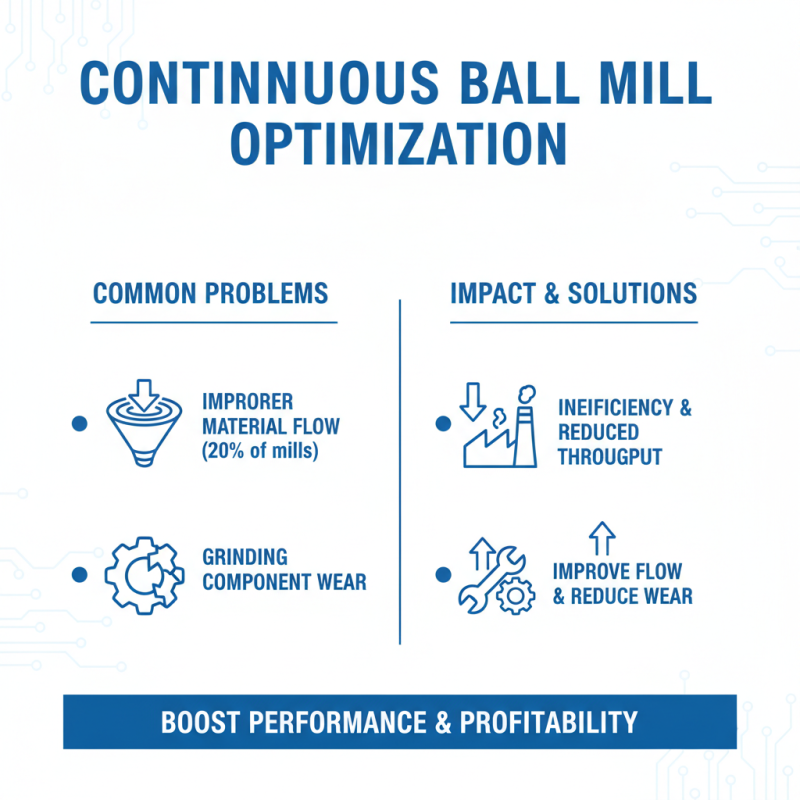
Continuous Ball Mills require specific attention to detail. One common issue is inconsistent feed rates, which can disrupt the grinding process. Moreover, the choice of grinding media can significantly impact the overall efficiency. In many cases, operators fail to consider the wear rate of materials. This oversight can lead to frequent replacements and downtime. Industry reports suggest that a well-optimized system can save up to 30% in energy consumption.
Continuous improvement is essential. Monitoring parameters like temperature and moisture content is vital for maintaining product quality. Nonetheless, many companies do not implement comprehensive tracking systems. This negligence can diminish their competitive edge. By addressing these aspects, manufacturers can unlock the full potential of their Continuous Ball Mills.
Understanding the Basics of Continuous Ball Mill Operation
Continuous ball mills are essential in various industries for grinding and mixing materials. Understanding their operation can lead to better efficiency and product quality. A ball mill's performance largely depends on its setup and maintenance.
One vital tip for optimizing performance is ensuring the right material feed size. If the feed size is too large, the mill may not grind efficiently. This can lead to uneven particle size, impacting the final product. Keep the feed size consistent to avoid fluctuation issues.
Temperature control is another critical aspect. High temperatures can affect both the material and the equipment. Regular checks on temperature can help prevent issues. It’s important to know overheating signals, as they can indicate problems that need addressing.
For those operating a continuous ball mill, frequent monitoring is vital. Regularly inspect the grinding media and adjust as needed. Evaluate the equipment's wear patterns and address them early. Not doing so can lead to inefficiencies and unexpected downtimes. Every detail counts when optimizing mill performance.
Optimization of Continuous Ball Mill Performance
This bar chart illustrates the key performance metrics for optimizing continuous ball mill operations. Throughput, energy consumption, product quality, maintenance time, and operational cost are crucial factors in maximizing efficiency.
Key Factors Influencing Continuous Ball Mill Efficiency
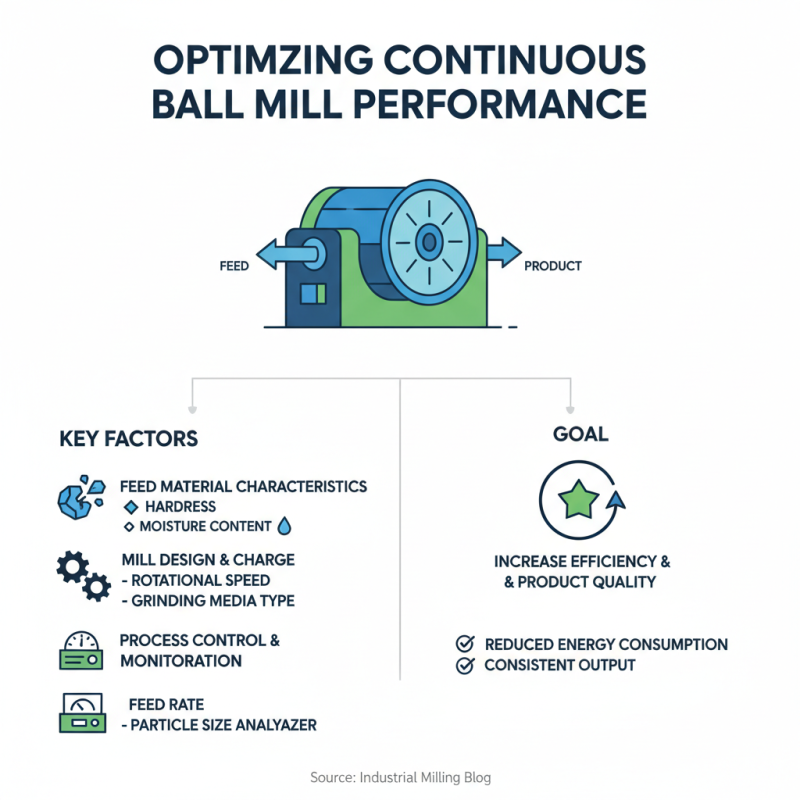
Optimizing the performance of a continuous ball mill hinges on several key factors. First, the feed material's characteristics play a significant role. Different materials can behave unpredictably in the milling process. It's crucial to understand their hardness and moisture content. If the feed is too wet, it can cause clogging. Too dry, and the mill's efficiency decreases.
Another factor is the mill's rotation speed. This affects the grinding efficiency directly. Too fast, and the material may not have enough time to grind properly. Too slow, and you lose energy and output. Regular monitoring of this parameter is vital. Additionally, the ball size itself should not be overlooked. Using the wrong diameter can lead to suboptimal results. Sometimes, manufacturers overlook this and face unexpected performance issues.
Finally, consider the mill's maintenance routine. If not maintained, even minor issues can escalate. Worn parts can lead to reduced efficiency. Regular checks help identify these issues early. It's a constant balancing act that requires attention.
Best Practices for Maintaining Optimal Grinding Conditions
Maintaining optimal grinding conditions in a continuous ball mill requires attention to several critical factors. It's not just about the machine's operation; the environment matters too. Ensure that the mill is placed on a stable surface. This can prevent vibrations that may affect performance. A solid foundation can make a significant difference.
Regularly check the wear of grinding media. Over time, media can break down or become less effective. Replace worn media promptly to maintain efficient grinding. Monitor the size distribution of the media to ensure consistency. Proper media size affects the impact energy and grinding efficiency directly.
Another vital aspect is controlling the feed rate. An optimal feed rate ensures the mill functions efficiently. Too fast, and you risk overloading; too slow, and you may not utilize energy effectively. Remember to adjust based on the material's characteristics. This flexibility can enhance performance. Lastly, routine inspections of the mill’s internals are crucial. Look for signs of wear or damage. Identifying issues early can prevent costly downtimes.
Monitoring and Adjusting Feed Rates for Enhanced Performance
When optimizing a continuous ball mill, monitoring and adjusting feed rates is crucial. An inconsistent feed rate can lead to various performance issues. It may cause overloading or underutilization of the mill. Both scenarios hinder efficiency. Install reliable measurement tools to track your feed rate continuously. Regular checks are essential for maintaining a steady flow.
Adjustments to feed rates may require fine-tuning. It's vital to analyze the material characteristics and its impact on grinding efficiency. Too much feed can obstruct flow within the mill. Too little feed may result in inefficient grinding. Balancing it is key. Consider conducting trial runs to identify the best feed rate for your specific materials.
Optimize your strategy with these practical tips: Monitor the mill's sound and vibration. These indicators reflect operational conditions. Adjust feed rates based on these observations. Pay attention to the product quality as well. Sometimes, optimized feed rates lead to unexpected results. Reflect on these metrics regularly. Each adjustment is a step toward better performance.