10 Essential Tips for Optimizing Your Batch Ball Mill Efficiency?
In the world of mineral processing, optimizing the efficiency of a Batch Ball Mill is crucial. Renowned expert Dr. Jane Smith once said, "Attention to detail in the milling process can significantly enhance output." This statement resonates with many engineers today. Constructing a well-optimized Batch Ball Mill system requires understanding its operational nuances.
Many factors influence the efficiency of a Batch Ball Mill. These include the material type, mill speed, and ball size. Each of these parameters plays a vital role. However, industry professionals often overlook smaller adjustments. For instance, incorrect ball sizes can cause inadequate grinding, leading to lower product quality.
Moreover, operators sometimes underestimate the importance of maintaining proper mill loading. A well-balanced load maximizes the contact between media and material. Yet, this aspect is often taken for granted. By reflecting on these details, one can find areas for improvement. Addressing these concerns is key to elevating Batch Ball Mill efficiency.
Understanding Batch Ball Mill Basics for Enhanced Efficiency
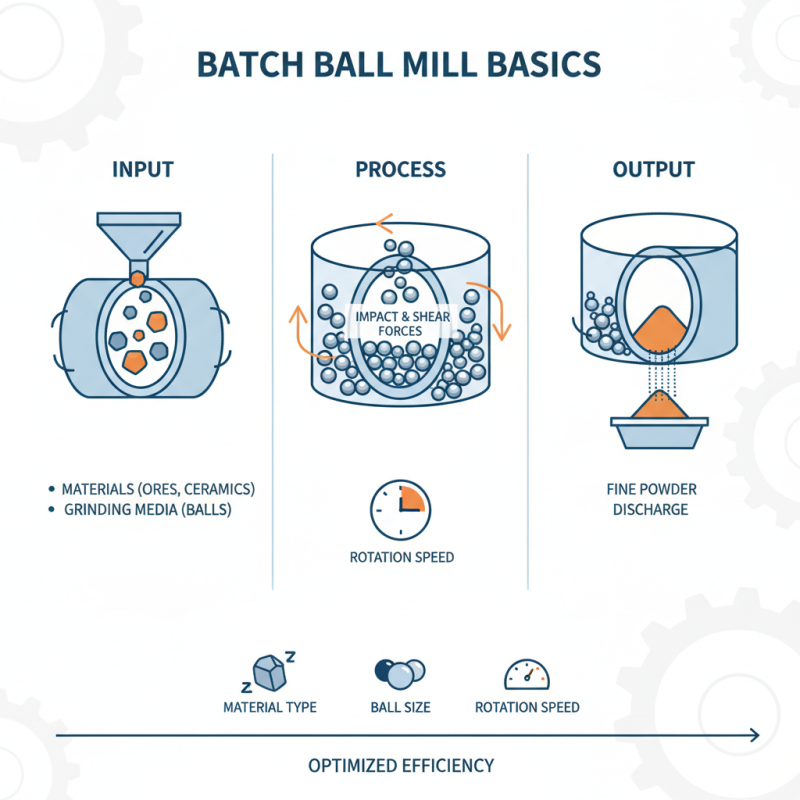
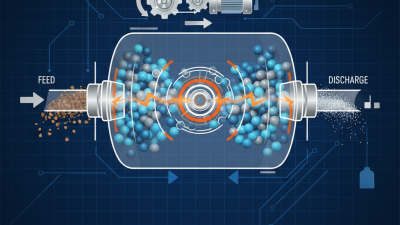
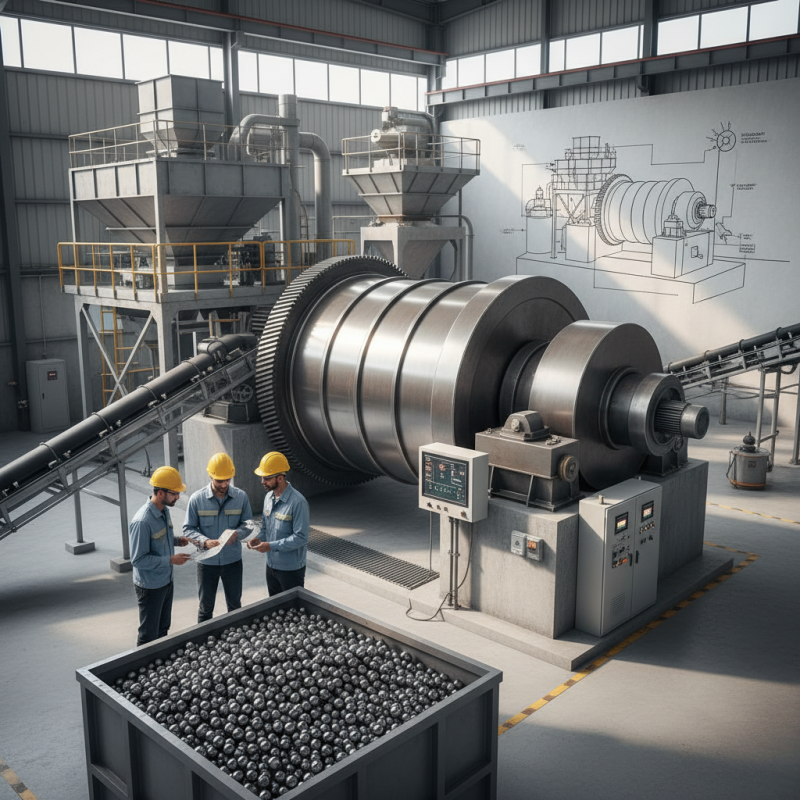
Batch ball mills play a pivotal role in various industries, especially in mineral processing. Understanding their basics is essential for optimizing efficiency. At its core, a batch ball mill grinds materials using balls as grinding media. The materials are loaded into the mill, where they are subjected to a series of impacts and shear forces. This process can be affected by several factors, including the type of materials, the size of the balls, and the rotation speed.
When operating a batch ball mill, it’s crucial to monitor the filling level. An overfilled mill can lead to inefficient grinding and increased energy consumption. Conversely, too little material may result in insufficient interaction among the balls. This imbalance often leads to underutilized potential. Adjusting the material load is a straightforward yet essential action that can affect overall performance.
Moreover, water content in the mixture can greatly impact the grinding process. Excessive moisture may hinder the grinding efficiency, while insufficient moisture can cause wear on the equipment. Regularly checking and adjusting the moisture levels ensures that the mill operates under optimal conditions. Continuous assessment of these factors fosters better performance in batch ball mills, paving the way for a more efficient grinding process.
Key Factors Influencing Batch Ball Mill Performance
Batch ball mills are essential tools in various industries. Several factors influence their performance. Understanding these factors can lead to improved efficiency.
First, the type of material being processed matters greatly. Harder materials require more energy. This impacts the grinding time and output. The ball size is another key aspect. Larger balls can handle tough materials, but might lead to uneven grinding. Conversely, smaller balls can produce finer particles but may take more time.
Another critical element is the mill's loading capacity. Overloading can reduce efficiency. A balanced load allows for better movement of the balls. Additionally, the milling time should be carefully monitored. Too short may not optimize the process, while too long can lead to overheating. Temperature also plays a role. High temperatures can alter material properties and affect results. Tweaking these variables may yield better outcomes. It’s essential to experiment and adjust for optimal performance.
Techniques to Optimize Grinding Media Selection
Selecting the right grinding media is critical for enhancing the efficiency of your batch ball mill. The size, density, and material of the media directly impact the grinding process. For instance, larger media can break down larger particles, while smaller media is better suited for fine grinding. Keep in mind that particle size and distribution play a crucial role in achieving optimal outcomes.
It’s essential to experiment with different media types. Consider using steel, ceramic, or even polymer-based materials. Each has unique properties that influence wear resistance and grinding effectiveness. Adjusting the media's density may also yield different results. Too much density can lead to excessive energy consumption and wear on the mill while too little can cause ineffective grinding.
Understand that not every setup is perfect the first time. Sometimes the media selection may not yield the desired results. Observation and testing are key. Keep records of each trial. Learn from any inefficiencies. Gathering data allows you to refine your approach continuously. This iterative process can lead to significant improvements in your batch ball mill’s performance.
Monitoring and Adjusting Milling Parameters for Efficiency
Monitoring and adjusting milling parameters is crucial for optimizing batch ball mill efficiency. Understanding feed size is important. The right particle size improves the grinding process.
Too large or too small can hinder performance. Regularly check and adjust the feed to maintain an optimal size range.
Another key parameter is the milling speed. It directly affects the impact energy inside the mill. If the speed is too high, it can lead to inefficient grinding. Conversely, if too low, particles may not break effectively.
Keeping detailed records of milling conditions helps identify trends and areas for improvement.
Temperature control is often overlooked but vital. Excess heat can affect material properties. It can also lead to wear on mill components.
Regularly monitor temperature to prevent overheating. Each small adjustment can lead to significant improvements. Reflect on past experiences and learn from inefficiencies.
Maintenance Best Practices for Long-lasting Batch Ball Mills
Maintaining batch ball mills is essential for optimal performance. Regular inspections can prevent costly breakdowns. Look for wear and tear on components. Small issues can lead to bigger problems if ignored. Lubrication plays a key role in operation. Without proper lubrication, machines can overheat and fail. Schedule lubrication every few months, but be mindful of cleanliness. Dirt can damage internal parts.
During operation, monitor the mill’s vibration levels. Excessive vibrations can indicate misalignment or wear. Keep an eye on noise levels as well. Unusual sounds often signal an underlying issue. Replace worn parts promptly. Postponing replacements can lead to significant downtime. Balancing the load within the mill is crucial too. An uneven load can stress the machine.
Implementing a routine maintenance checklist can help. Include items like checking the liners and adjusting the feed rate. Document any changes in performance. This practice allows for better tracking of mill health. Understanding the mill's operation is important for troubleshooting. Regular training for staff can enhance their ability to notice changes. Encourage feedback on performance issues; this can lead to innovative solutions.