10 Essential Tips for Choosing the Right Fine Cone Crusher for Your Needs?
Choosing the right Fine Cone Crusher can be a daunting task. It requires careful consideration of your specific needs and operational demands. The market offers various models and features, making the selection process complex. You might feel overwhelmed by the options available.
Quality and efficiency are crucial when selecting a Fine Cone Crusher. Every project has unique requirements. You should assess the material type you will process and the expected output. Many users overlook these factors, leading to less-than-optimal choices. Detailed research can uncover the best match for your applications.
In the end, your decision impacts productivity and cost. Take time to evaluate your options. Think about both short-term and long-term needs. A careful choice will lead to better results. Ignoring key aspects could result in frustration. Stay informed and engaged in the selection process. Your ideal Fine Cone Crusher is waiting to be discovered.
Understanding the Different Types of Fine Cone Crushers Available Today
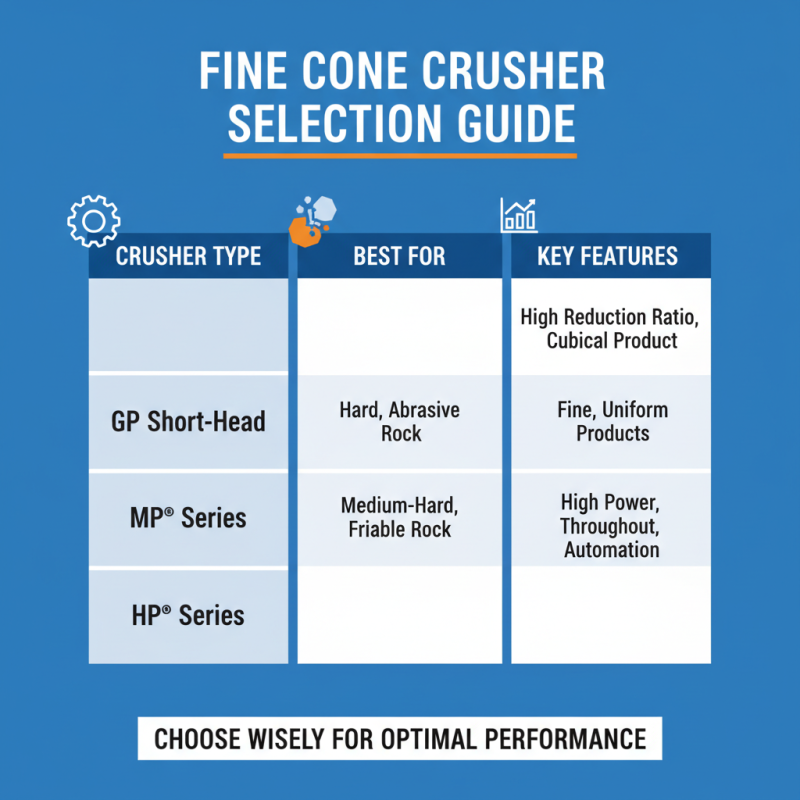
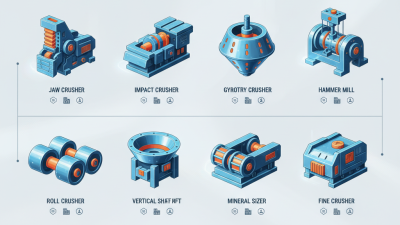
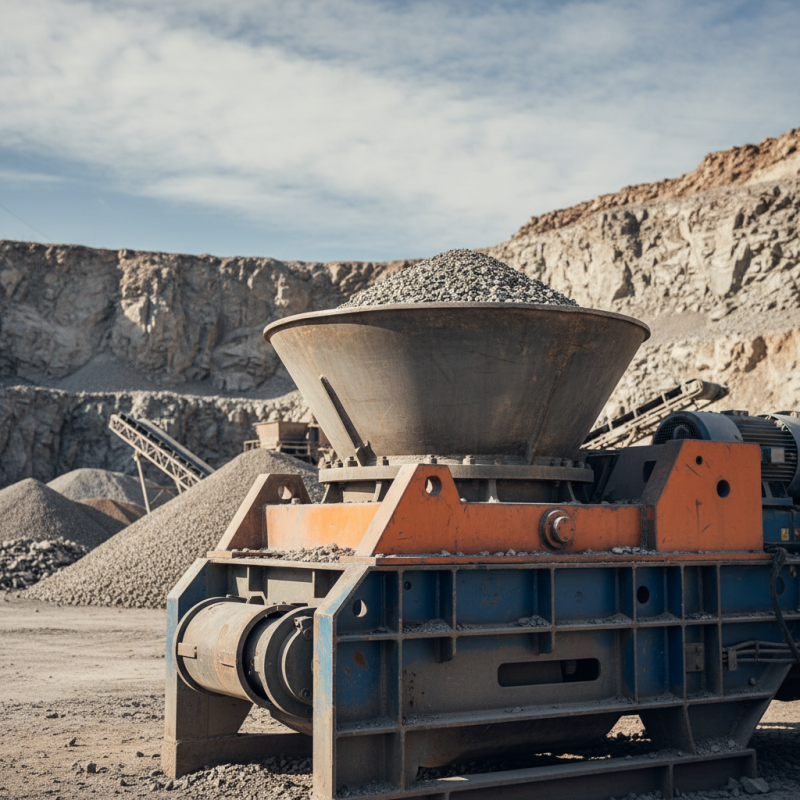
Choosing the right fine cone crusher can be challenging. There are various types available, and each serves specific purposes. Understanding these variations is crucial. Different models often have unique features that cater to specific material types and processing requirements.
For instance, standard fine cone crushers are designed for medium to hard materials. They provide a good balance between size reduction and output quality. Alternatively, a short-head fine cone crusher is suitable for finer crushing, producing smaller outputs. These are particularly good for applications where particle size consistency is paramount. Knowing what type you need can prevent costly mistakes.
Sometimes, fine cone crushers can seem overly complicated. Features that seem beneficial may not fit all operations. It's essential to analyze your specific needs. Pay attention to factors like production capacity and required output size. This can help clarify what type of crusher is genuinely necessary. Remember, efficiency is key, but simplicity shouldn't be overlooked. Don't rush the decision; take time to reflect on your specific requirements.
Key Performance Metrics to Consider When Selecting a Cone Crusher
When selecting a fine cone crusher, key performance metrics are crucial. One primary consideration is the crushing ratio. This ratio indicates how effectively the crusher reduces material size. A higher ratio often leads to more efficient production. However, too high of a ratio might result in increased wear and tear. Evaluating the balance between efficiency and maintenance is essential.
Another important metric is the throughput capacity. This reflects how much material the crusher can process in a given timeframe. Knowing your production needs can help in determining the right specifications. It’s vital to match throughput with your operational requirements. Additionally, consider the power consumption of the crusher. High power usage may indicate inefficiencies. It can also increase operational costs over time.
Durability and reliability should not be overlooked. Assess the materials used in construction. Some crushers may look robust but lack the longevity required for heavy-duty operations. Understanding the operating environment can help in identifying potential pitfalls. It’s worth pondering these metrics carefully, as making the right choice can impact overall productivity.
The Importance of Feed Size and Material Characteristics in Crusher Selection
When selecting a fine cone crusher, understanding feed size and material characteristics is crucial. The feed size determines how effectively the crusher can perform. A crusher designed for larger feed materials may struggle with smaller inputs. The feed should generally match the cone’s recommended size. This matching enhances efficiency and lifespan.
Material characteristics also play a significant role. For example, hard materials may require a robust design. Softer materials, on the other hand, might benefit from faster processing speeds. It's essential to test the material properties in advance. This could prevent costly operational issues later.
Remember, not all crushers excel in every situation. It’s a balance game. Improper choices can lead to unexpected downtime. Sometimes, a trial run is needed to evaluate effectiveness. Take time to analyze your specific needs. A thoughtful approach may uncover potential challenges. The right choice today can save trouble tomorrow.
10 Essential Tips for Choosing the Right Fine Cone Crusher for Your Needs
| Tip |
Description |
Feed Size Range (mm) |
Material Characteristics |
| 1. Understand Your Material |
Analyze material hardness, abrasiveness, and moisture content. |
10 - 50 |
Granite, Limestone |
| 2. Consider Feed Size |
Choose a crusher with a suitable input feed size range. |
20 - 100 |
Gravel, Sand |
| 3. Determine Desired Output Size |
Specify the required particle size for the finished product. |
5 - 20 |
Basalt, Quartzite |
| 4. Evaluate Crushing Capacity |
Assess the required hourly production rate. |
50 - 200 |
Cement, Clay |
| 5. Choose the Right Type of Cone Crusher |
Select between standard, short-head, or fine cone configurations based on application. |
10 - 40 |
Iron Ore, Copper |
| 6. Assess Power Requirements |
Ensure your power supply matches the crusher's needs. |
30 - 100 |
Marble, Slate |
| 7. Look for Automation Features |
Opt for models with advanced automation for better efficiency. |
Varies |
All types |
| 8. Review Maintenance Requirements |
Check the maintenance schedule and availability of spare parts. |
20 - 70 |
Natural Stone, Recycled Materials |
| 9. Analyze Cost of Ownership |
Consider all costs, including purchase, operation, and maintenance. |
10 - 60 |
Silica, Fluvial Materials |
| 10. Seek Expert Advice |
Consult industry experts to narrow down your options. |
5 - 25 |
Granular Materials, Ash |
Evaluating Energy Efficiency and Operational Costs of Cone Crushers
When selecting a fine cone crusher, energy efficiency plays a vital role in operational costs. According to a recent study by the Mining Industry Research Organization, energy consumption can account for nearly 40% of total operational expenses. This highlights the need to assess the energy efficiency of the equipment. A high-efficiency model can reduce energy costs, potentially saving facilities thousands of dollars annually.
Operational costs extend beyond just energy use. Maintenance expenses also add up. Reports indicate that a poorly chosen or underperforming cone crusher may lead to frequent repairs, increasing downtime. For instance, an inefficient unit can require maintenance every few months, while a well-selected model might only need servicing once a year. Considering total cost ownership is essential, as the initial price may not reflect long-term costs.
Given these factors, evaluating the right specifications is critical. Look at the crusher's energy consumption ratings alongside its throughput capacity. An ideal choice will balance efficiency and productivity. Sometimes, more expensive models provide better long-term savings. However, many operators overlook this detail, leading to increased operational costs. This thought process needs reflection to ensure a sound investment.
Maintenance Considerations and Longevity of Fine Cone Crushers in Operations
When operating fine cone crushers, maintenance is crucial for optimal performance. Regular checks help identify wear on components. Look for signs of erosion or damage. These issues can shorten the lifespan of your equipment. Schedule routine inspections to keep your machinery in top shape.
Lubrication is another key aspect. Insufficient lubrication can lead to overheating and component failure. Use the right type of lubricant as specified by experts. Keeping a detailed maintenance log is helpful too. It ensures you track performance and identify trends over time.
Replacing worn parts promptly can save money in the long run. Waiting too long can cause more extensive damage. Understand the common failure points in your crusher. Be proactive rather than reactive. This approach fosters better operational longevity and efficiency.