How to Choose the Right Ultrafine Grinding Crusher for Your Needs?
Choosing the right Ultrafine Grinding Crusher is crucial for any industry that relies on fine particle production. According to Dr. Emily Carter, an expert in material processing, "Selecting the right equipment can transform your production efficiency." The decision can feel overwhelming.
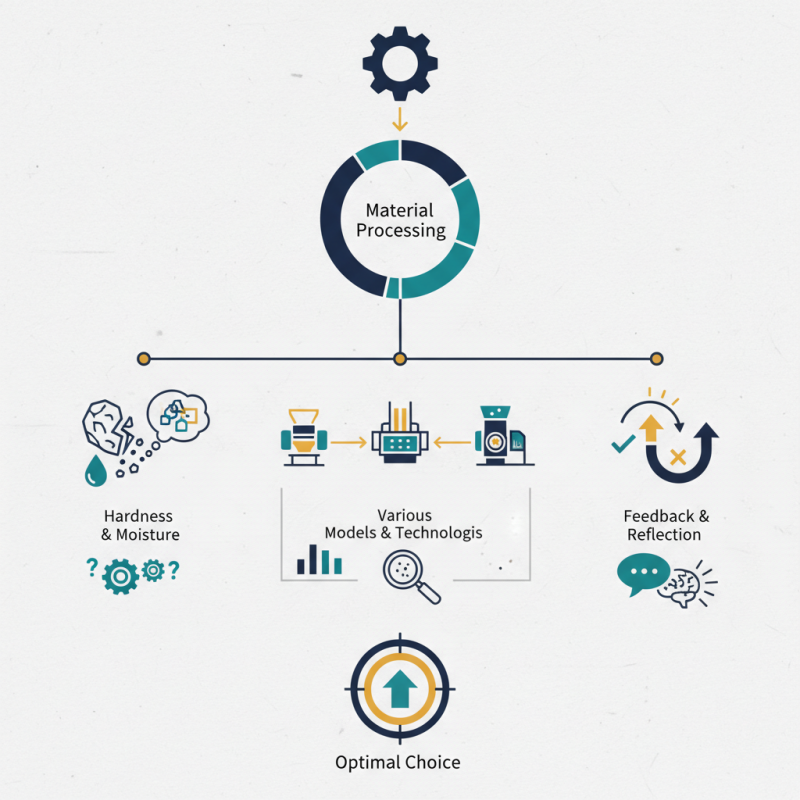
There are various models and technologies available in the market. Each has its unique features and capabilities. Knowing your specific needs is essential. For instance, some crushers perform better with certain materials than others. It is necessary to evaluate the materials you will process. Consider factors like hardness and moisture content.
Selecting an Ultrafine Grinding Crusher may involve some trial and error. Not every machine will meet your expectations. You might face issues like inadequate particle size or excessive wear. It's important to actively seek feedback from your operations. Reflecting on your experiences will guide you toward the best choice for your business.
Understanding the Basics of Ultrafine Grinding Crushers
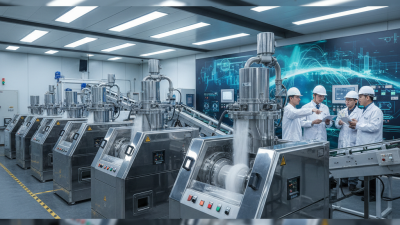
When selecting an ultrafine grinding crusher, it’s essential to understand its fundamental principles. Ultrafine grinding is a mechanism that reduces particle size to a mere micrometer or less. This process is crucial for industries such as pharmaceuticals and food. With various designs available, knowing the basics helps in making the right choice.
Tip: Consider the material you’ll be grinding. Different materials require specific grinding methods. For example, harder materials may require more robust crushers. Pay attention to specifications, especially the size reduction capacity. Overlooking this could lead to inefficiencies.
Choosing the right ultrafine grinding crusher isn't always clear-cut. You might need to analyze multiple options before deciding. Sometimes, the most expensive choice isn’t the best. Reliability and maintenance also play critical roles. Assess potential downtime when making your choice.
Tip: Evaluate your production scale. A small business might not need a high-capacity machine. Conversely, larger operations usually require robust equipment to meet demand. Being realistic about your needs saves time and investment.
How to Choose the Right Ultrafine Grinding Crusher for Your Needs?
| Feature |
Description |
Importance |
Considerations |
| Particle Size |
The desired fineness of the end product. |
High |
Specify the required Particle Size Distribution (PSD). |
| Material Type |
The nature of the material to be crushed. |
High |
Consider abrasiveness, hardness, and moisture content. |
| Production Capacity |
The volume of material processed per hour. |
Medium |
Ensure alignment with operational needs. |
| Energy Efficiency |
Energy consumption during production. |
High |
Look for machines with energy-saving features. |
| Cost of Equipment |
Initial investment and operational costs. |
Medium |
Balance between cost and performance. |
| Maintenance Requirements |
Frequency and complexity of maintenance. |
High |
Choose models with lower maintenance needs. |
| Safety Features |
Built-in safety measures to protect operators. |
High |
Check for compliance with safety standards. |
Key Factors to Consider When Choosing an Ultrafine Grinding Crusher
When selecting an ultrafine grinding crusher, several key factors are crucial. The material type plays a significant role. Different materials require specific crushing mechanisms. For instance, harder materials may need a more robust crusher design. The desired particle size is another critical factor. Studies show that controlling particle size can enhance product uniformity and efficiency.
Tip: Always review the material specifications before making a choice. This can save time and money.
Production capacity is vital as well. If your operations require high output, ensure the crusher meets or exceeds these needs. Analyze the energy consumption too. A highly efficient model can significantly reduce operational costs. Reports indicate that energy-efficient machines can lower electricity costs by up to 30%.
Tip: Prepare a comparison chart of energy consumption for different models. It may reveal surprising insights.
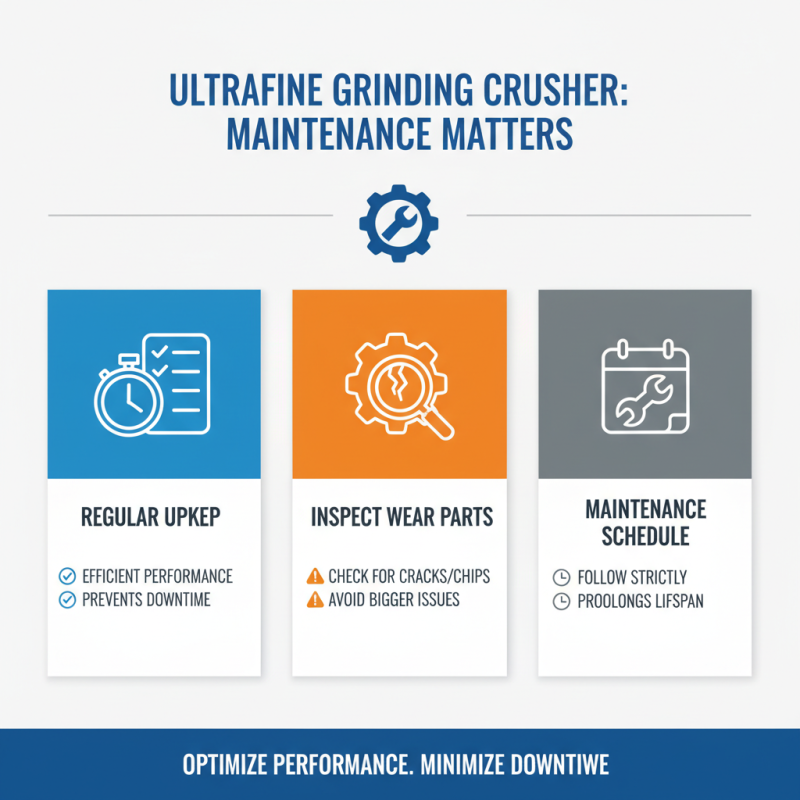
Maintenance requirements should not be overlooked. Some crushers need frequent maintenance, which can lead to downtimes. Consider the ease of obtaining replacement parts as well. Sometimes, availability is overlooked, leading to delays. Understanding these elements can make a significant difference.
Types of Ultrafine Grinding Crushers and Their Applications
When selecting an ultrafine grinding crusher, consider the specific needs of your application. Different types of crushers serve various functions. For example, hammer mills are effective for soft materials. However, they might not handle harder substances well. In contrast, jet mills can grind harder materials but may have higher operational costs. Understanding these differences is crucial for optimizing performance.
Tips: Always evaluate the material's properties. Consider hardness, moisture content, and required particle size. These factors influence the choice of the crusher. Ignoring them may lead to inefficiencies in your grinding process.
In some cases, you might feel torn between options. One crusher may excel in one area but fall short in another. It's important to reflect on your primary goals. Are you prioritizing cost, efficiency, or versatility? This reflection can guide you to a more suitable option. Ultimately, a well-informed decision will enhance productivity and quality in your operations.
Ultrafine Grinding Crushers Performance Comparison
Evaluating Performance Metrics for Ultrafine Grinding Crushers
When selecting an ultrafine grinding crusher, evaluating performance metrics is crucial. Key metrics include granularity, energy consumption, and throughput. These factors determine how effectively the machine meets your operational needs. Granularity affects the final particle size. You want a crusher that meets your specifications without excessive energy use. It's essential to look for machines that perform well without straining your budget.
Tips: Consider the material type you plan to grind. Different materials may require different types of machines. Also, consult user reviews for insights on machine reliability. Users often share experiences about unexpected issues. These reviews can reveal hidden performance details.
Energy efficiency is another essential aspect. A machine that uses less energy can save significant costs in the long run. However, achieving high efficiency can sometimes come at a price. Think critically about whether the higher initial investment is justifiable. Remember, an ultrafine grinding crusher must balance cost and output effectively.