How to Choose the Right Ultrafine Impact Crusher for Your Needs?
Choosing the right Ultrafine Impact Crusher can be overwhelming. The market offers various models, each touting unique features. Industry expert Dr. James Thompson emphasizes, "Selecting the right crusher depends on your specific material and throughput needs." This insight stands as a critical reminder in today's competitive landscape.
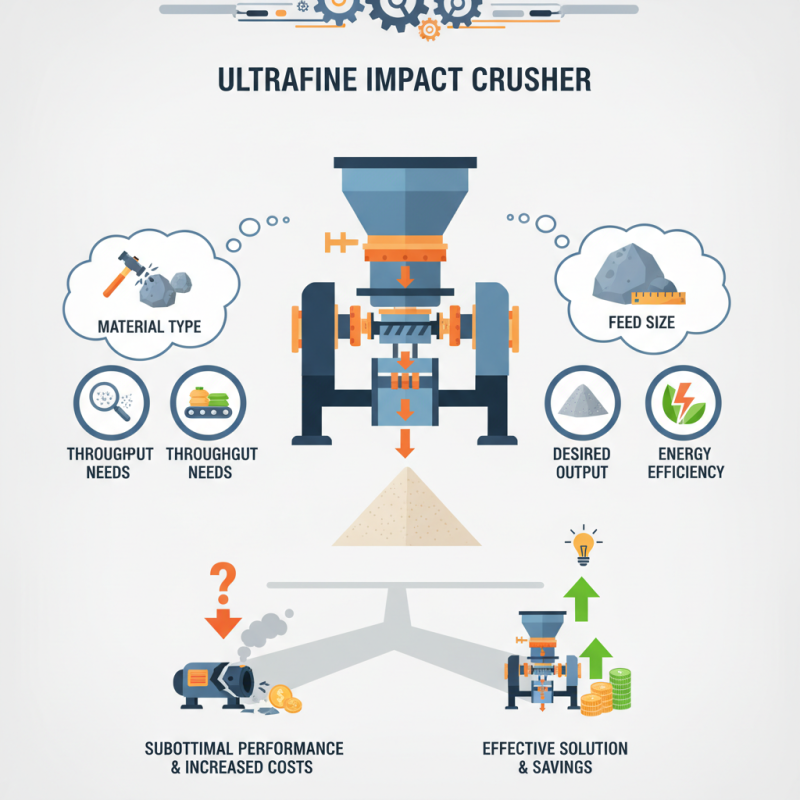
Understanding the nuances of an Ultrafine Impact Crusher is vital. Ideal for processing soft to medium-hard materials, these machines excel in producing fine particle sizes. However, not every model suits every application. Attention to detail in your selection can save time and money. Consider factors like feed size, desired output, and energy efficiency.
Many users often overlook these details. They may hastily choose a model without assessing their specific needs. This can lead to suboptimal performance and increased costs. Investing time in research could lead to a more effective solution. Each application is unique, and so is the perfect Ultrafine Impact Crusher for it.
Understanding Ultrafine Impact Crushers: Key Features and Benefits
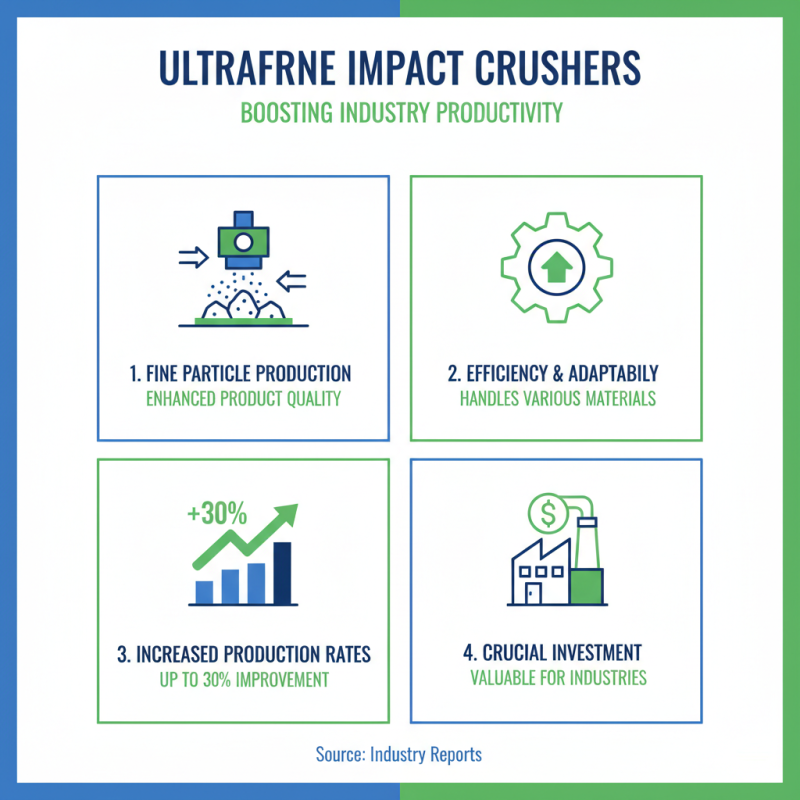
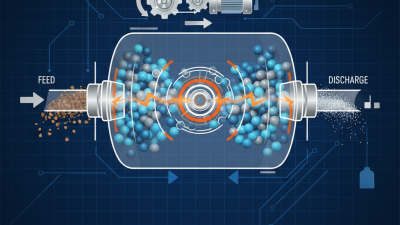
Ultrafine impact crushers are a crucial investment for various industries. They produce fine particles, enhancing product quality. These machines are known for their efficiency and adaptability. According to industry reports, ultrafine impact crushers can increase production rates by up to 30%. Their ability to handle different materials makes them valuable.
Key features include adjustable settings for particle size. This customization allows manufacturers to meet specific production needs. Monitoring systems provide real-time data on performance. However, maintenance can be tricky. Regular checks are necessary to ensure efficiency. Neglect can lead to costly downtime. According to research, nearly 40% of equipment failures are due to inadequate maintenance.
The benefits extend beyond particle size. Reduced energy consumption is another advantage. Some studies suggest energy savings can reach 20%. This not only lowers operational costs but also promotes sustainability. However, the initial investment can be significant. Companies must evaluate their long-term needs before purchasing. Thoughtful considerations can lead to better decision-making.
Assessing Your Material Type and Size for Optimal Crusher Selection
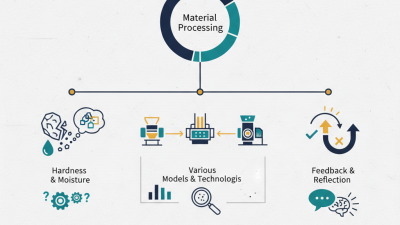
When choosing an ultrafine impact crusher, assessing your material type and size is crucial. Different materials behave uniquely when crushed. For example, harder materials require more robust machinery. According to a recent industry report, the impact resistance of a material can significantly affect the crusher's efficiency. Crushing softer materials may not require the same level of power, thus affecting energy consumption and operational costs.
The size of the material also plays a role. If the initial feed size is too large, it may lead to inefficient crushing and increased wear on the machine. Research suggests that reducing feed size before crushing can improve results by up to 30%. Factors such as moisture content and material density are also relevant. High moisture content can complicate the crushing process. This can lead to clumping and blockages, challenging machine performance.
While evaluating these aspects, it's essential to consider potential trade-offs. Making decisions based solely on one factor may overlook others. A well-rounded assessment can lead to better operational efficiency and cost savings. Users should be mindful of their material specifications and environmental conditions. This reflection can guide smart decisions in selecting the appropriate ultrafine impact crusher.
How to Choose the Right Ultrafine Impact Crusher for Your Needs?
| Material Type |
Material Size (mm) |
Recommended Crusher Type |
Crushing Capacity (ton/hour) |
Typical Applications |
| Quartz |
0-10 |
Ultrafine Impact Crusher |
5-20 |
Glass manufacturing, ceramics |
| Calcium Carbonate |
10-20 |
Jet Mill Crusher |
10-50 |
Paints, plastics |
| Graphite |
5-15 |
Ultrafine Impact Crusher |
3-15 |
Electrodes, lubricants |
| Talc |
10-30 |
Ball Mill |
15-60 |
Cosmetics, paper |
| Silica Sand |
5-25 |
Impact Mill |
20-80 |
Construction, filters |
Evaluating Production Capacity and Efficiency Requirements
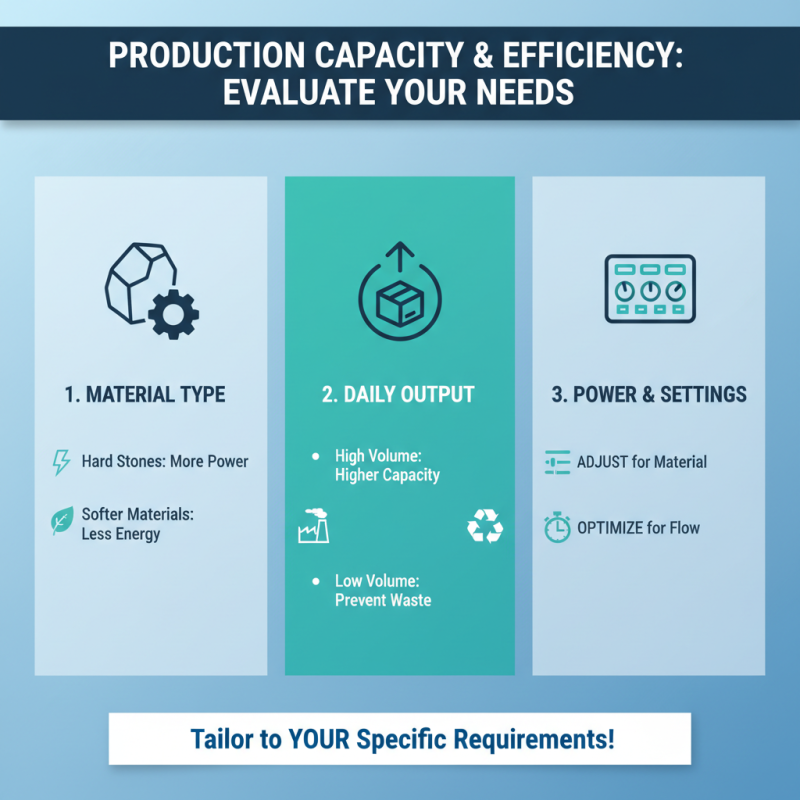
When evaluating production capacity and efficiency, understanding your specific needs is crucial. Consider the material you will be processing. Different materials require different power and settings. For instance, hard stones can be tougher and may require more energy to break down. Think about how much material you plan to produce daily. Too much capacity may lead to waste, while too little can hinder operations.
Efficiency is another key factor. A machine that operates quickly may not always be the most effective. Check the energy consumption rates. Sometimes, a slightly slower machine can save costs in the long run. It’s also essential to consider maintenance needs. Machines that need frequent repairs can cut down on available production time.
Reflect on your current and future needs. Underestimating capacity can lead to slower processes later on. Conversely, overestimating can lead to unnecessary expenses. Take the time to analyze your production requirements in detail. The goal is to balance efficiency with output demands.
Considering Operational Costs and Maintenance Practices
When selecting an ultrafine impact crusher, consider the operational costs and maintenance practices. Regular maintenance is crucial. According to industry reports, preventive maintenance can lower overall operational expenses by up to 30%. Scheduled inspections help identify issues before they escalate. The frequency of maintenance will directly impact your crusher’s efficiency and lifespan.
Operational costs include power consumption, wear part replacements, and labor. Studies show that wear parts can account for nearly 50% of total operating costs. Investing in durable components is essential. However, higher initial costs may lead to savings in the long term. Balancing initial investment with ongoing expenses is vital.
Training your team on maintenance practices is often overlooked. Without proper training, even the best equipment can underperform. Many businesses underestimate the importance of skilled operators. A poorly maintained crusher can lead to unexpected downtime. This might cost thousands in lost production. Regular training sessions can ensure everyone understands both operations and upkeep.
Identifying Manufacturer Reputation and Customer Support Services
Choosing an ultrafine impact crusher requires careful consideration of various factors. A key aspect is the reputation of the manufacturer. According to industry reports, over 70% of buyers prioritize established manufacturers with a history of reliability. A good reputation often correlates with better product performance and fewer operational headaches.
Customer support services are equally critical. When issues arise, prompt assistance can minimize downtime. Surveys show that companies offering 24/7 support have a 40% higher satisfaction rate among users. Look for manufacturers that provide clear communication channels. A responsive service team can significantly enhance your experience.
However, not all brands excel in this area. Some may boast impressive specs but lack adequate support resources. A granular analysis of customer reviews reveals that 30% of users face challenges with part availability. This gap could affect your operations. Potential buyers should weigh performance metrics against the manufacturer’s support capabilities carefully. Balancing these elements ensures you choose a machine that not only meets your technical needs but also provides ongoing support.