How to Choose the Right Fine Cone Crusher for Your Mining Needs?
Selecting the right Fine Cone Crusher for mining operations can be daunting. According to industry expert Dr. John Smith, “Choosing the correct crusher makes the difference between success and failure in mining.” This statement underscores the importance of making an informed decision when investing in equipment.
Many factors should be considered. The size of the feed material and the desired output size play critical roles. Additionally, the alloy type and design can significantly impact performance and longevity. A crusher that suits one operation might not suffice for another. It’s essential to evaluate the unique requirements of your project.
Moreover, new technologies enhance the selection process. Integrating AI in procurement can streamline the search for compliant suppliers. Yet, even with advanced tools, the responsibility ultimately lies in human judgment. Reflecting on past decisions can help avoid mistakes. Balancing technology and experience is vital when choosing a Fine Cone Crusher.
Understanding the Role of a Fine Cone Crusher in Mining Operations
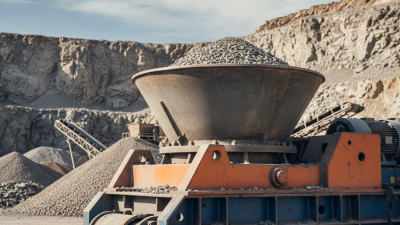
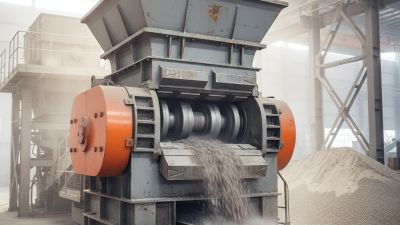
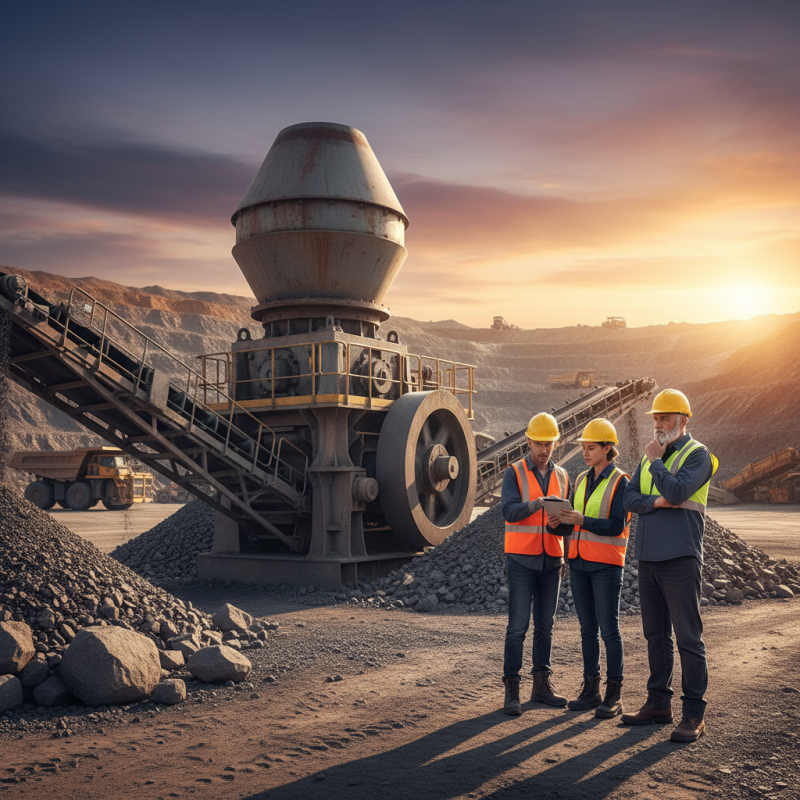
In mining operations, fine cone crushers play a critical role in material reduction. These machines are designed to crush hard minerals into finer sizes. With an average reduction ratio of about 4:1, they effectively prepare materials for further processing. Reports indicate that the global market for cone crushers is expected to reach approximately $2 billion by 2025, signaling their importance in the industry.
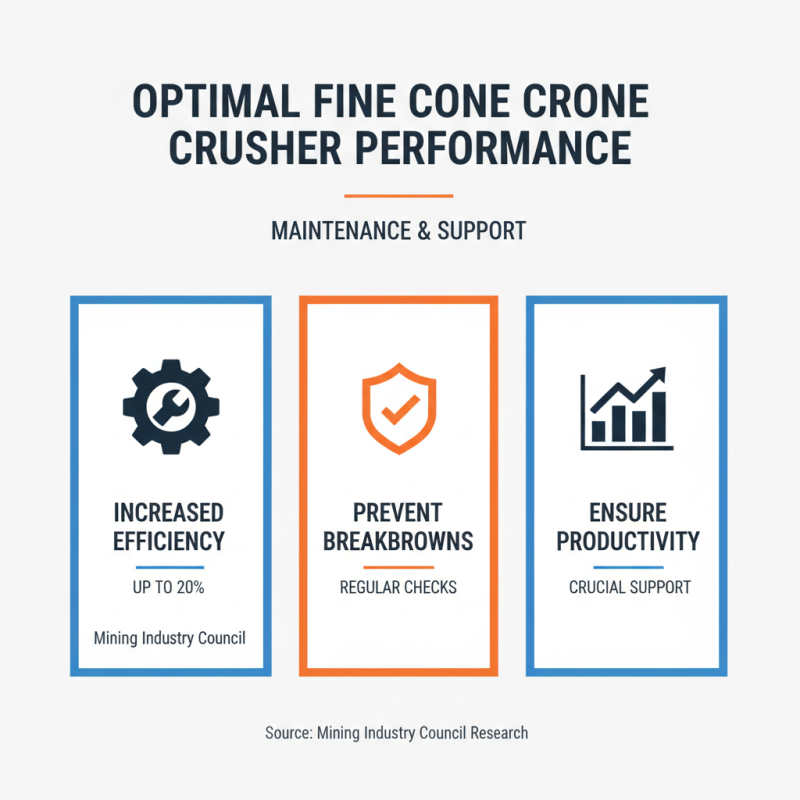
The efficiency of a fine cone crusher relies on several factors, including the type of material and the desired final product size. For example, crushing limestone requires less force compared to granite. Research shows that optimizing the crusher's settings can save 10-20% in energy. However, many companies overlook routine maintenance, which can lead to decreased performance and increased operational costs.
Proper selection of a fine cone crusher involves understanding your specific mining needs. Factors such as feed size, crushability, and desired output must be evaluated. Industry experts suggest using data analysis to determine the best fit. Nevertheless, the lack of awareness about advanced features often leads to suboptimal choices, resulting in lower productivity and higher operational challenges.
Identifying Your Specific Mining Requirements for Cone Crushers
Choosing the right fine cone crusher starts with understanding your unique mining requirements. Different applications demand various features. For instance, the material type matters greatly. Harder rocks may require a particular design. Identifying the desired output size is crucial too. You need to determine what size fractions you require for your operation.
Consider the operational environment as well. Is it a stationary or mobile site? The choice of a cone crusher can vary based on location and accessibility issues. Think about maintenance needs, too. Some crushers may be easier to maintain than others, impacting downtime.
Don’t overlook your budget constraints. A high-performing machine may be appealing, but can it fit within your financial plan? Weigh the upfront costs against potential long-term benefits. Sometimes, less expensive options may require more frequent repairs. Ensure you evaluate all aspects carefully to avoid future regrets. A rushed decision can lead to inefficiencies and unexpected challenges.
How to Choose the Right Fine Cone Crusher for Your Mining Needs?
| Criteria |
Description |
Example Values |
| Capacity |
The amount of material the crusher can process in a given time frame. |
50 - 800 tons per hour |
| Feed Size |
Maximum size of the material that can be fed into the crusher. |
Up to 12 inches |
| Discharge Size |
The size of the material after it has been crushed. |
1/4 - 2 inches |
| Power Requirement |
Amount of power needed to operate the crusher. |
100 - 600 kW |
| Materials to be Crushed |
Types of materials that can be effectively crushed by the cone crusher. |
Granite, Basalt, Limestone, Quartzite |
| Location |
The geographical conditions and site specifics for installation. |
Underground, Open Pit |
| Maintenance Type |
The frequency and ease of maintenance required for optimal performance. |
Monthly, Quarterly |
Factors to Consider When Selecting a Fine Cone Crusher
Choosing the right fine cone crusher requires careful thought. Start with the material type you need to crush. Different rocks require different crushing techniques. For instance, soft materials might need less power, while harder rocks demand a more robust design. Analyze your material's hardness and size. This will guide you in selecting the right features.
Next, consider the crushing capacity required for your operation. How much production do you need? This figure impacts the machine size and motor power. Often, businesses underestimate their needs. It's vital to account for peak periods when production spikes. Don’t forget about maintenance. Easy access to parts can save your team time and money. A complex design might seem appealing, but it often leads to headaches down the line.
Lastly, evaluate the overall space in your facility. A large machine can be tempting but may not fit well in a small area. Measure dimensions carefully. Be aware that sometimes, smaller models can perform unexpectedly well if aligned with your requirements. Reflecting on these factors will help you make a more informed decision. Don’t rush this choice; it significantly impacts your operations.
Comparing Different Models and Brands of Fine Cone Crushers
When considering fine cone crushers, it's crucial to compare different models and brands. Each model has unique features that may suit specific mining needs. For instance, some crushers offer high efficiency for larger operations. Others may excel in smaller setups, providing a balance of power and size. It’s essential to match the model with your operational scale.
Tip: Always evaluate the capacity. A model with a higher throughput may not always be the best fit. Sometimes, lower capacity units can be more cost-effective. Look at your mining volume carefully.
Different brands use varying technologies and materials. This affects not only performance but also longevity. Some may have advanced crushing chamber designs, while others may focus on ease of maintenance. It’s important to assess how these factors align with your long-term operational goals.
Tip: Don’t forget about after-sales support. This can greatly influence your operational uptime. A brand with excellent service can minimize unexpected downtimes. Consider feedback from current users, but be aware that experiences may differ significantly.
Evaluate the specifications closely. You might find that a well-reviewed model has overlooked drawbacks. Perhaps it lacks certain features you need. Always approach comparisons with a critical mindset to ensure you make the right decision.