Why Choose a Fine Jaw Crusher for Your Crushing Needs?
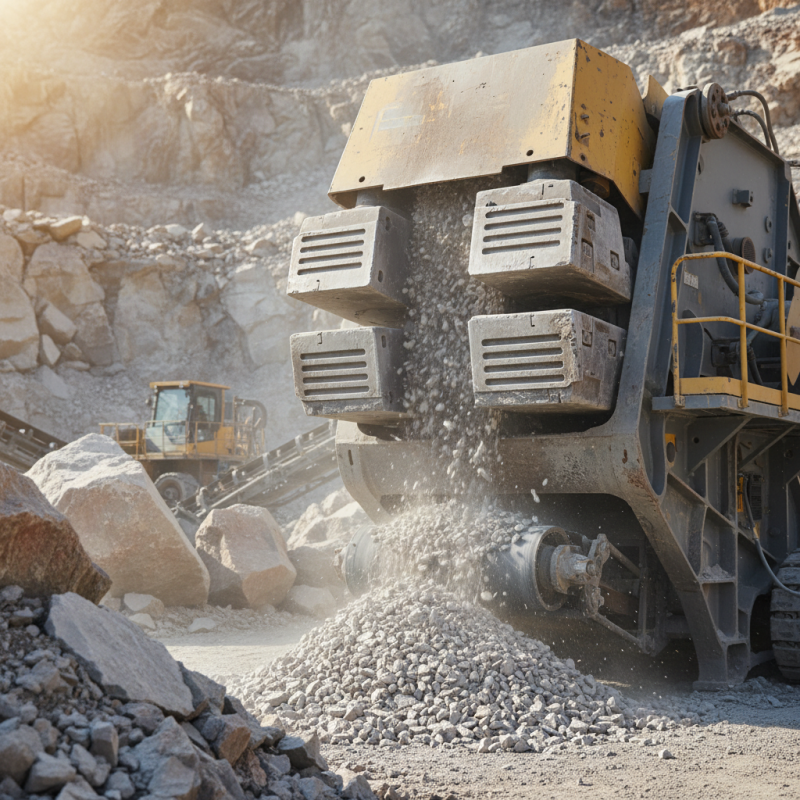
When selecting a crusher for your needs, a Fine Jaw Crusher stands out. This machine excels in breaking down materials with precision. It provides high efficiency and exceptional performance. Consider its ability to produce uniform particle sizes. This is crucial for various industries, from mining to construction.
A Fine Jaw Crusher also offers durability. Its robust design ensures longevity, even under heavy use. However, not every model is perfect. Some may require more maintenance than expected. Reflect on the costs associated with this aspect. Analyzing your needs will help clarify which features are essential.
Ultimately, the choice of a Fine Jaw Crusher should depend on your specific requirements. Look for models that align with your production goals. Think about the material types you will crush. This will guide you in making an informed decision.
Understanding the Basics of Fine Jaw Crushers in Mining and Industry
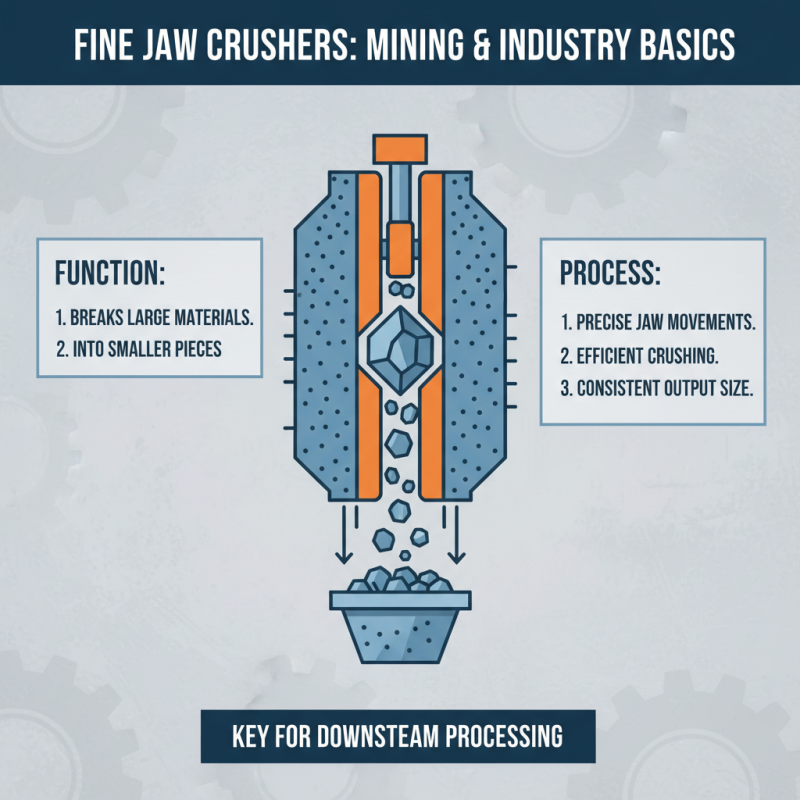
Fine jaw crushers play a crucial role in mining and industrial applications. These machines are designed to break down larger materials into smaller, more manageable pieces. The process involves a series of precise movements to crush rocks and ores efficiently. Often, the consistency in the size of the crushed material is vital for subsequent processing.
In mining operations, these crushers often serve as the first step in an extensive material handling process. They can handle various types of rocks, ensuring a steady feed for further processing stages. However, operators sometimes overlook the importance of regular maintenance. Neglecting upkeep can lead to decreased efficiency and higher operational costs.
Choosing a fine jaw crusher should involve an understanding of your specific needs. Different operations may require varied capacities and sizes. Evaluating the characteristics of the material being processed is also essential. Not all crushers are created equal, which adds to the complexity of selecting the right equipment. The wrong choice can result in inefficiencies that impact the entire operation.
Key Features of Fine Jaw Crushers that Enhance Crushing Efficiency
Fine jaw crushers are vital for efficient crushing operations. These machines are designed to handle a variety of materials. They excel in reducing larger stones into finer particles. Many industries rely on them for consistent performance.
One key feature is their adjustability. Users can easily modify the size of the output. This flexibility allows for tailored operations based on specific needs. Additionally, they often have a powerful motor, enabling rapid processing. The design incorporates durable materials, adding longevity. Yet, it's crucial to regularly check for wear and tear. Neglecting maintenance can lead to unexpected downtime.
Another aspect is their ease of use. Operators can quickly learn to run these machines. However, understanding the operational limits is just as important. Improper use might lead to inefficient crushing. Users should always monitor output quality. A fine balance between speed and precision is essential for optimal results.
Comparative Advantages of Fine Jaw Crushers Over Other Crushing Machines
When it comes to crushing raw materials, fine jaw crushers stand out. They excel in reducing particle size while ensuring minimal dust emission. This is a crucial factor for many industries. The design of fine jaw crushers allows for greater efficiency compared to other crushing machines. Their adjustable settings enable customized output, meeting specific requirements.
What sets fine jaw crushers apart is their capability to produce uniform granules. This uniformity is essential for processing materials, leading to better quality control. While other machines may struggle with consistency, fine jaw crushers maintain a steady performance. However, users should consider the importance of regular maintenance. Neglecting upkeep can lead to decreased efficiency over time.
The compact design of fine jaw crushers also merits attention. They occupy less space, making them ideal for smaller operations. Yet, some may find them less effective for larger scale projects. Balancing the need for space efficiency and production capacity can be a challenge. Evaluating your specific requirements is vital in making the right choice.
Selecting the Right Fine Jaw Crusher for Specific Material Types
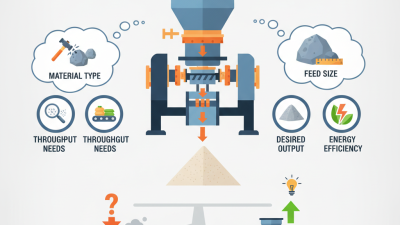
Selecting the right fine jaw crusher is crucial for optimal material processing. It directly affects the size reduction efficiency and overall production rate. According to a recent industry report, specific materials require tailored crushing approaches. For instance, hard stones like granite may need different crusher settings compared to softer materials like limestone.
When choosing a fine jaw crusher, consider the material’s characteristics. The compressive strength, abrasiveness, and moisture content all play significant roles. Manufacturers often provide guidelines, but these can sometimes be too general. A study from the Aggregates Research Institute highlighted up to 40% efficiency losses when mismatched equipment is used.
Different materials respond variably to crushing techniques. For instance, softer materials may need lower pressure settings to avoid excessive fines. On the other hand, harder materials may require higher settings for effective breakdown. Yet, many operators overlook these specifics. Understanding your material can lead to better equipment performance and reduced operational costs. Fine-tuning jaw settings is not just beneficial; it’s essential for maximizing output.
Why Choose a Fine Jaw Crusher for Your Crushing Needs?
| Material Type |
Recommended Fine Jaw Crusher Model |
Crushing Capacity (ton/hr) |
Output Size (mm) |
Energy Consumption (kW) |
| Granite |
Model A |
50 |
10-40 |
75 |
| Limestone |
Model B |
70 |
5-30 |
60 |
| Basalt |
Model C |
65 |
5-35 |
70 |
| Quartz |
Model D |
40 |
8-25 |
65 |
| Marble |
Model E |
55 |
10-20 |
80 |
Maintenance Tips for Ensuring Longevity of Fine Jaw Crushers
When it comes to fine jaw crushers, proper maintenance is vital. These machines work hard to crush materials. However, neglecting maintenance can lead to costly repairs and downtime. Regular inspections help identify wear and tear early. Look for cracks or loose bolts. Inspect the bearings; they should be well-lubricated to prevent overheating.
Cleaning the jaw crusher often is essential. Dust and debris can hinder performance. Ensure all moving parts are free of material buildup. Changing the oil regularly keeps the machine running smoothly. It’s easy to overlook oil levels when busy. But this simple task can extend the life of your equipment significantly.
Don’t forget about the discharge settings. Keeping them calibrated is crucial for optimal performance. Also, pay attention to the quality of materials being crushed. Using unsuitable materials can result in quicker wear. Lastly, facility operators should invest in ongoing training for staff. Well-informed operators can spot issues early. This proactive approach saves both time and money.
Why Choose a Fine Jaw Crusher for Your Crushing Needs?