What is a Cement Clinker Ball Mill and How Does It Work?
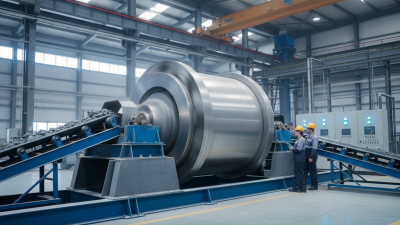
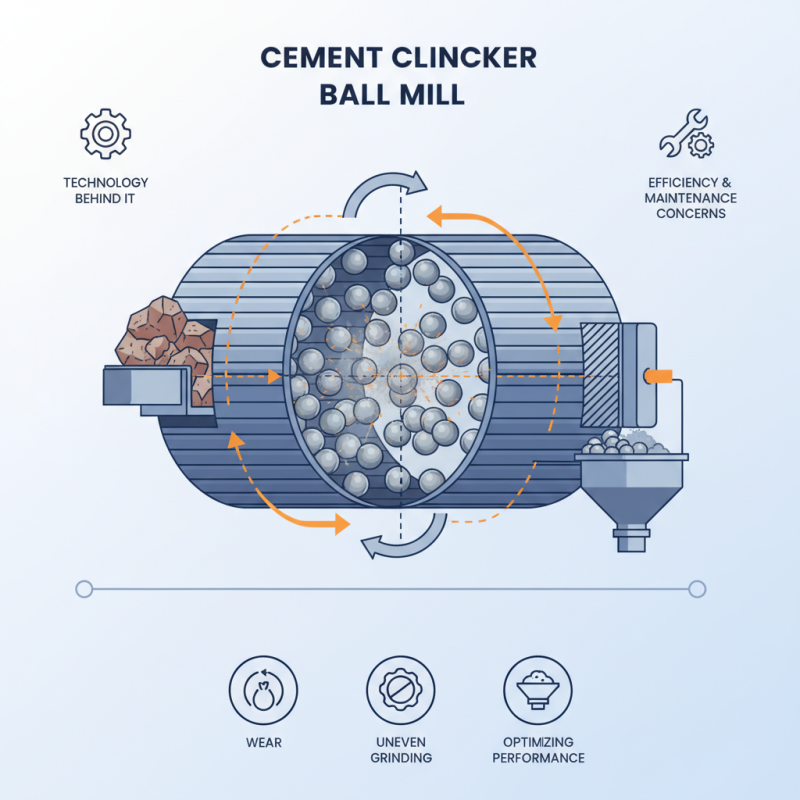
Cement Clinker Ball Mill is an essential component in cement production. Understanding its function can help in optimizing the manufacturing process. This mill grinds raw clinker into fine cement powder. It operates by rotating a cylinder filled with steel balls that crush the materials.
The technology behind the Cement Clinker Ball Mill is fascinating. As it turns, the balls hit the clinker, breaking it down into the desired size. The efficiency of this grinding process affects the final product's quality. However, there are challenges. Operators may face issues like excessive wear on the balls or uneven grinding.
Exploring the mechanics of a Cement Clinker Ball Mill reveals the complexities of cement production. Despite advancements, operators must constantly address efficiency and maintenance concerns. Each mill has its own unique set of challenges. Reflecting on these factors is crucial for improving performance and ensuring quality.
What is Cement Clinker and Its Importance in Construction?
Cement clinker is a fundamental material in construction. It is the nodular material produced during the process of clinkerization in cement production. This process involves heating limestone and clay in a kiln at high temperatures. The resulting clinker is then ground into a fine powder to create cement. According to industry reports, approximately 86% of cement production worldwide consists of clinker.
The importance of cement clinker cannot be overstated. It acts as the key binding agent in concrete, a critical material used in construction projects. The production of concrete accounts for around 8% of global carbon emissions. Therefore, understanding clinker’s role is essential for sustainable construction practices. The quality of clinker impacts the strength and durability of concrete. A well-formed clinker can improve the longevity of structures.
Yet, there are challenges associated with clinker production. Fuel consumption during the heating process can be high, leading to environmental concerns. Additionally, the need to optimize the production process is ongoing. As demand for cement increases, the industry faces pressure to reduce emissions and improve efficiency. Clinker quality control methods must adapt to these challenges to ensure robust construction materials.
Introduction to Cement Clinker Ball Mill Technology
Cement clinker ball mills are essential in cement production. They grind clinker, which is the primary ingredient in cement. The grinding process transforms large clinker particles into fine powder. This powder is crucial for various construction applications. The efficiency of a cement clinker ball mill can significantly impact production costs. According to recent industry reports, optimizing mill performance can reduce energy consumption by up to 30%.
One must consider several factors when operating a cement clinker ball mill. The choice of grinding media can affect the efficiency. For instance, using the right size and material can enhance the milling process. Regular maintenance is another critical aspect. A well-maintained mill operates more efficiently and reduces wear on components. Ignoring maintenance, however, can lead to increased downtime and costs.
Tips: Monitor the temperature and vibration levels. This can prevent unexpected failures. Always keep an eye on the grinding media wear rate. It’s vital to balance cost with efficiency. A proactive approach will ensure optimal operation. Reflect on your operating procedures regularly. This can reveal areas for improvement and boost overall production efficiency.
Working Mechanism of a Cement Clinker Ball Mill
A cement clinker ball mill is a crucial machine in the cement production process. It primarily grinds clinker, which is a key component in creating cement. Understanding its working mechanism is essential for optimizing performance and efficiency.
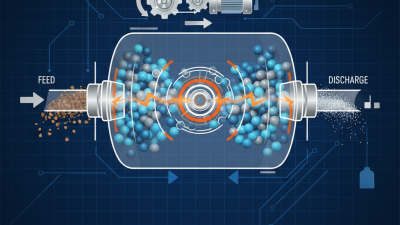
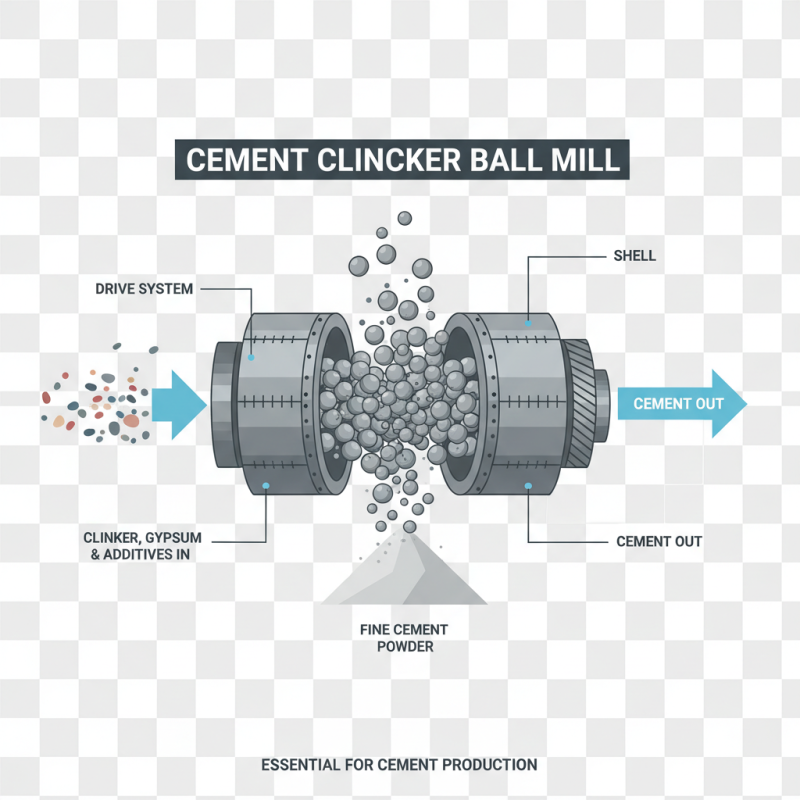
Inside the ball mill, large steel balls crush the clinker as the mill rotates. This process helps break the clinker into finer particles. The rotating action creates a cascading effect. As the balls rise and fall, they generate impact and force. The result is a well-mixed, fine powder that provides the foundation for high-quality cement. However, achieving this grinding efficiently can be challenging.
The design of the mill includes specific features that affect how it operates. The size of the balls, the speed of rotation, and the overall length of the mill all play critical roles. Each unit works differently, making it vital to monitor the conditions during operation. If any component is not performing well, it can lead to inefficiencies. Small adjustments can make a big difference. Understanding these nuances can help in troubleshooting and enhancing the grinding process.
Key Features and Components of a Ball Mill
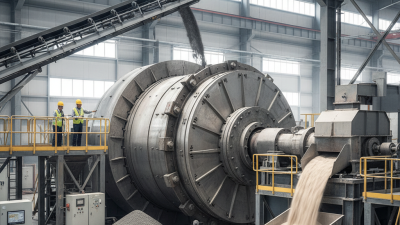
A cement clinker ball mill is essential in the cement production process. It finely grinds clinker, along with gypsum and other additives. The main components of a ball mill include the shell, grinding media, and drive system. The shell is a rotating cylinder that houses the grinding media, typically steel balls. These balls tumble during rotation, crushing the clinker into fine powder.
Using a ball mill can improve efficiency. Data from industry reports show that advanced designs can increase energy efficiency by up to 30%. The grinding process in a ball mill is influenced by several factors, including the size of the balls, the material being ground, and the rotational speed. Properly adjusting these can significantly enhance performance.
Tips: Regular maintenance of the grinding media is crucial. Worn-out balls can lead to inefficient grinding and increased energy consumption. Monitor wear rates closely. Also, consider the influence of humidity on materials; it can affect the grinding efficiency. Keeping the mill environment controlled ensures optimal operation.
Applications and Benefits of Using a Cement Clinker Ball Mill
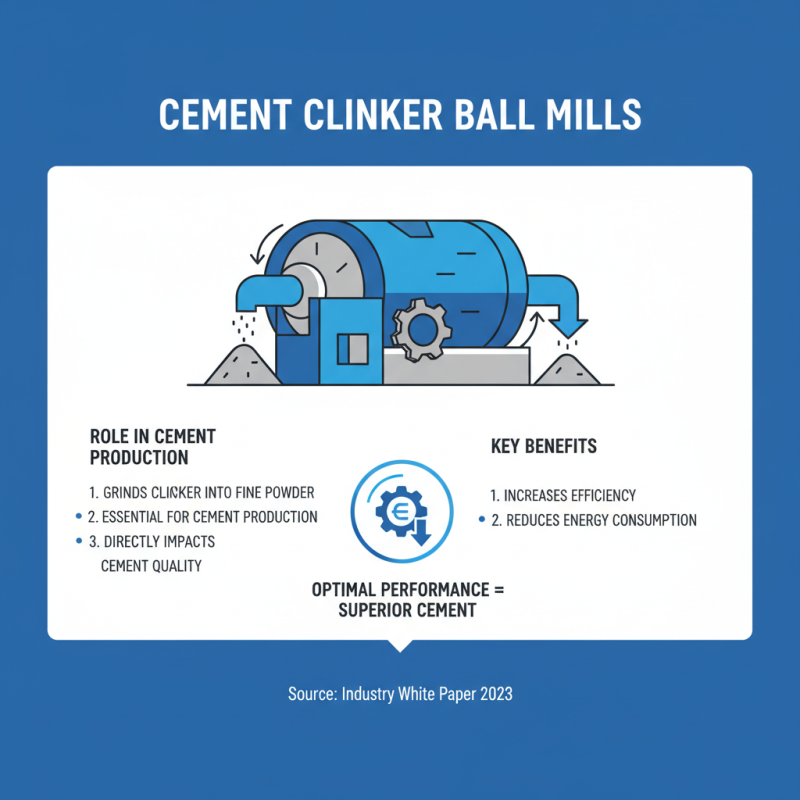
Cement clinker ball mills play a crucial role in the cement industry. They grind clinker into a fine powder, which is essential for producing cement. The milling process significantly affects the quality of the final product. A well-functioning ball mill can increase efficiency and reduce energy consumption.
An advantage of using a cement clinker ball mill is material versatility. It can handle different materials, including various clinkers and additives. This flexibility allows manufacturers to customize the cement to meet specific requirements. Moreover, energy studies show that modern ball mills can reduce energy consumption by up to 30%. This reduction not only lowers production costs but also minimizes carbon emissions, aligning with sustainability goals.
Tips: Regular maintenance is essential. It prevents unexpected breakdowns and extends the mill's lifespan. Also, monitor feed material sizes closely. Properly sized materials enhance grinding efficiency.
Another consideration is the optimization of grinding parameters. Adjusting speed and duration can influence the quality of the final product. Some mills operate under specific conditions that may not always be ideal, leading to inefficiencies. Continuous assessment is key to achieving the best results.