The Cement Clinker Ball Mill is an essential piece of equipment for businesses in the cement industry. It offers numerous advantages that can enhance productivity and lower operational costs. Many companies overlook the potential of this machinery. Understanding its benefits can lead to smarter investment choices.
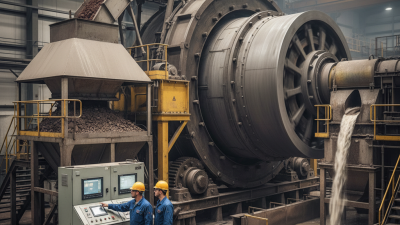
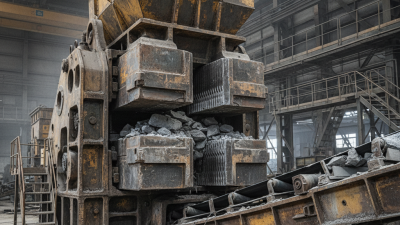
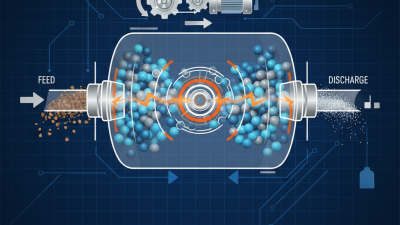
A Cement Clinker Ball Mill works by efficiently grinding materials into clinker. This process is crucial for producing high-quality cement. Investing in this technology can improve quality control and reduce waste. Many businesses have seen significant improvements in their production rates after implementing this system.
However, utilizing a Cement Clinker Ball Mill comes with challenges. These machines require regular maintenance. Businesses must remain proactive to prevent downtime. The initial investment can be high, and not all companies may see immediate results. It's essential to weigh these factors carefully before deciding. Ultimately, the right approach can turn these challenges into opportunities.
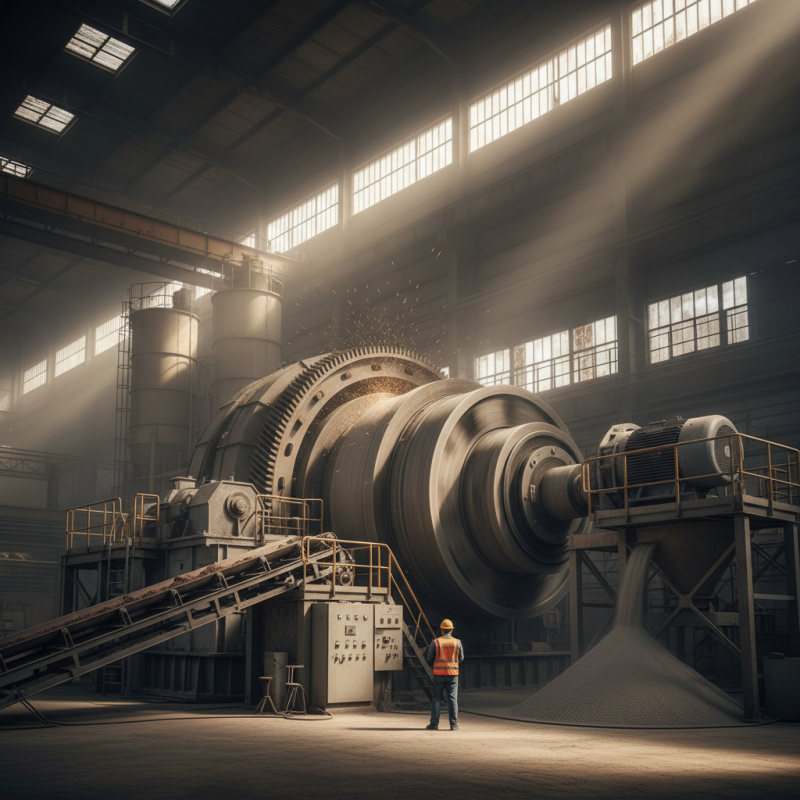
Cement clinker ball mills are crucial in the cement industry. They help in grinding raw materials into fine powder. This process is essential for producing high-quality cement. Research shows that efficient ball mills can reduce energy consumption by up to 30%. This is significant for businesses looking to cut costs.
Using these mills can improve the overall production rate. With the right technology, output can increase significantly. A study noted that advanced ball mills increased production capacity by up to 40%. This surge can lead to higher profits and market competitiveness.
Tips: Regular maintenance of your ball mill is vital. Neglected equipment can lead to inefficiencies. Additionally, consider monitoring the energy usage closely. Small changes can result in major savings. While cement clinker ball mills offer benefits, they may require a learning curve. Employees must be trained properly to maximize the equipment's potential.
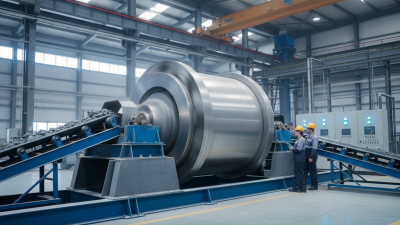
Cement clinker ball mills play a crucial role in enhancing production efficiency. According to industry reports, the use of ball mills can improve grinding efficiency by up to 30%. This leads to lower energy consumption during the grinding process, which significantly reduces operational costs.
Operators often face challenges with wear and tear on machinery. Despite improvements, ball mills require regular maintenance to ensure optimal performance. Neglecting this can lead to downtime, impacting productivity. In addition, managing the quality of the clinker feed is essential. Inconsistent feed can hinder performance levels, affecting the grinding efficiency.
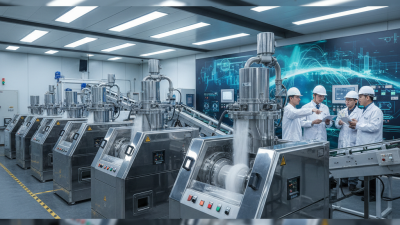
Moreover, the technology behind cement clinker ball mills is evolving. Recent advancements allow for better automation and control, improving overall process efficiency. A report by the Global Cement Research Institute states that automated systems can increase output by 20%-25%. However, integrating these technologies requires initial investment and workforce training. Balancing these factors is vital for maintaining competitive advantage in the industry.
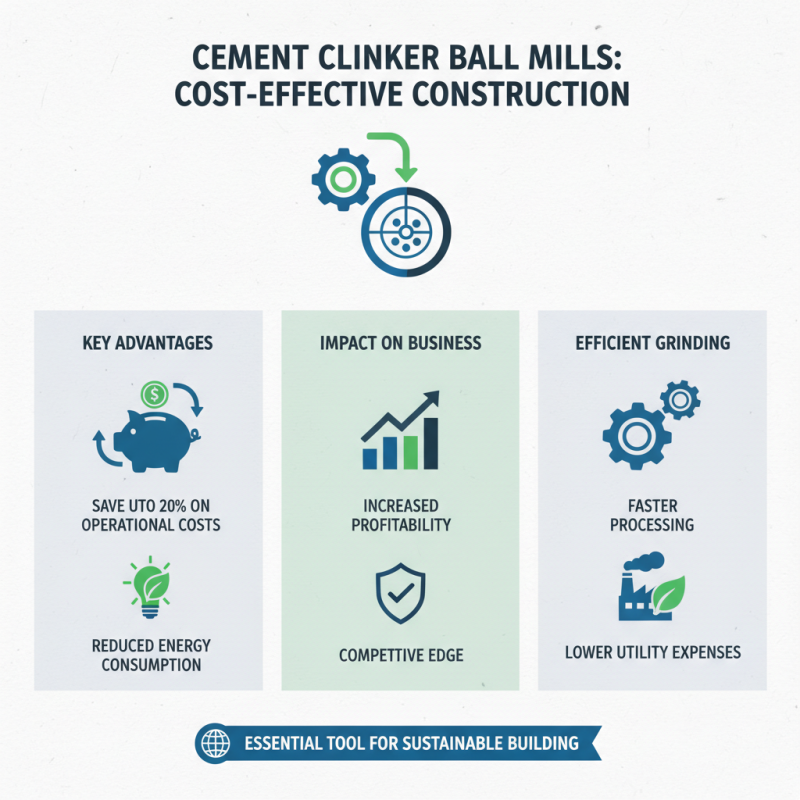
Cement clinker ball mills are an essential tool for many businesses in the construction industry. They offer significant cost-effectiveness, which is crucial for maintaining a competitive edge. According to recent industry reports, businesses can save up to 20% on operational costs by incorporating these mills. Their ability to grind materials efficiently results in reduced energy consumption and lower utility expenses.
One key advantage is their durability. These mills are designed to withstand heavy usage. This longevity means fewer replacements and repairs, which directly impacts overall costs. Moreover, the maintenance costs are generally lower than other grinding options. Investing in a reliable cement clinker ball mill can enhance your production capacity without inflating your budget.
Tips: Regular maintenance can extend the life of your mill. Schedule routine check-ups to identify potential issues early. Additionally, training staff on optimal usage can improve efficiency. Monitor energy consumption closely; even small adjustments can lead to substantial savings. Making informed decisions about these mills can drive profitability.
Cement production is a complex process that demands precision. Using a clinker ball mill improves this aspect significantly. It helps in achieving uniform particle size. This uniformity directly affects the quality of the final product. A well-ground clinker ensures better strength and durability of cement. When each granule is consistent, the mixture performs better under various conditions.
Quality control is crucial in this industry. The clinker mill allows for continuous monitoring. Operators can adjust parameters on the fly. This real-time feedback can lead to immediate improvements. However, it's not without its challenges. Some operators may struggle with the technology at first. Mismanagement can lead to inconsistencies, which is unacceptable. Training is essential to help staff adapt.
Moreover, a ball mill can have a significant impact on production costs. While initial investments may be high, the benefits are clear in the long run. Efficient grinding leads to less waste. Yet, if not maintained properly, equipment can suffer. Regular checks are necessary to sustain optimal operation. Each component plays a role in ensuring overall quality. It is an ongoing journey of refinement and adjustments.
| Benefit | Description | Impact on Production |
|---|---|---|
| Enhanced Product Quality | Provides better particle size distribution and reduces the risk of defects. | Increases customer satisfaction and reduces returns. |
| Energy Efficiency | Reduces energy consumption during the grinding process. | Lowers operational costs and enhances sustainability. |
| Consistent Production | Ensures consistent quality and output levels. | Stabilizes supply chain and enhances reliability. |
| Reduced Maintenance Costs | Less frequent breakdowns and wear on components. | Saves money and improves downtime efficiency. |
| Increased Production Capacity | Allows higher volume of clinker to be processed. | Meets growing market demand effectively. |
| Improved Flexibility | Capable of adjusting to produce various cement types. | Adapts to market trends and specifications. |
| Enhanced Automation | Incorporates smart technology for better monitoring. | Reduces labor costs and increases efficiency. |
| Better Dust Control | Minimizes dust emissions during grinding. | Enhances workplace safety and meets regulations. |
| Innovative Material Usage | Allows the use of alternative raw materials in production. | Improves material cost-effectiveness and sustainability. |
| Compliance with Standards | Facilitates adherence to industry quality standards. | Promotes brand integrity and trustworthiness. |
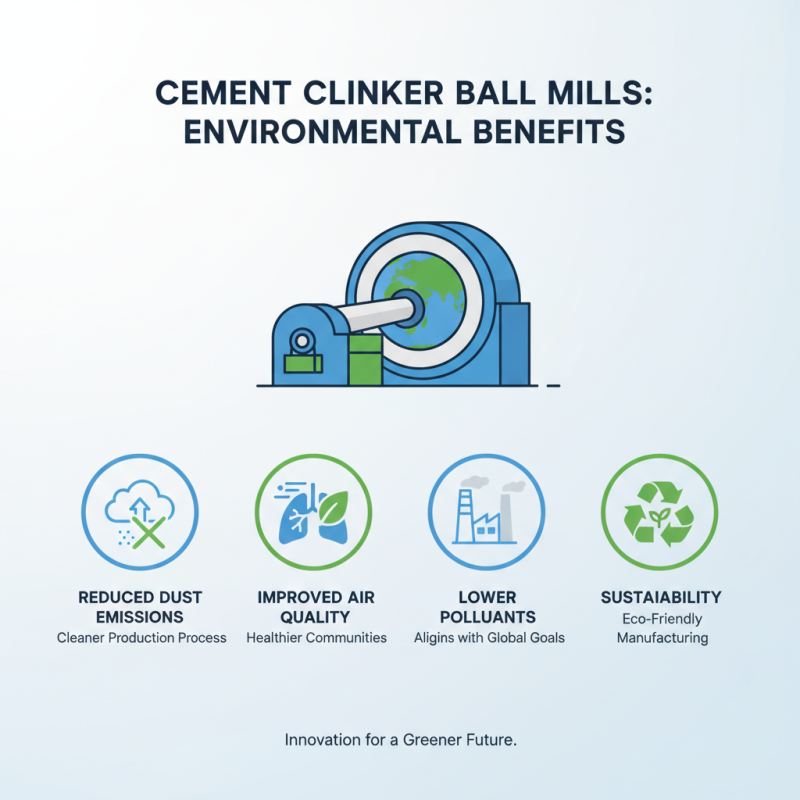
Cement clinker ball mills offer significant environmental benefits. They reduce dust emissions during the production process. This helps improve air quality in surrounding areas. Cleaner air means healthier communities. Lower emissions also align with global sustainability goals.
The energy efficiency of these mills contributes to reduced carbon footprints. By consuming less energy, they lower overall greenhouse gas emissions. This change is crucial for tackling climate change. Additionally, the use of alternative fuels can further enhance these benefits. However, transitioning to these systems can be challenging for some businesses.
Implementation requires investment and changes in operations. Staff training may be necessary to adjust to new processes. Some companies may hesitate due to these factors. Nevertheless, the long-term environmental advantages justify these efforts. Adopting cement clinker ball mills is a step toward a greener future.